Language carries more than vocabulary. It carries humor, rhythm, family history and ways of expressing affection that do not always survive translation.
Armenian deserves to be learned, spoken, protected and passed forward.
But when language becomes a test of whether someone is Armenian enough, protection can turn into exclusion. The person who wants to reconnect begins to feel like an outsider before the first lesson has even started.
That is not preservation. That is a locked door with excellent intentions.
Diaspora does not produce identical stories
Armenians grow up across different countries, schools, churches, neighborhoods and family circumstances. Some hear Armenian from birth. Some understand more than they speak. Some know Western Armenian, some Eastern Armenian, some a family mixture that would confuse a formal textbook, and some were never given the opportunity to learn.
None of those histories can be reduced to personal commitment alone.
Families assimilated for safety, mobility or survival. Communities changed. Parents made choices under pressures their children may never fully know. In some homes, Armenian remained constant. In others, it became a handful of phrases, foods, songs and names carrying more emotion than grammar.
Belonging should be strong enough to hold all of those people.
Shame is a terrible teacher
Correcting someone can help them learn. Mocking their accent or questioning their identity usually teaches a different lesson: stay quiet.
Adults already feel vulnerable learning a language. Heritage learners carry an additional burden because others assume the language should have arrived automatically with their last name.
It did not. Language is transmitted through time, access and repetition. Nobody becomes fluent through guilt.
If the goal is more Armenian speakers, then imperfect Armenian must be welcomed. People need room to search for a word, mix languages, make mistakes and try again without turning every conversation into an oral examination.
Fluency is a gift, not a border
This does not mean language is unimportant. The opposite is true.
Armenian connects people to literature, music, prayer, comedy, history and one another in ways translation cannot fully replace. Losing language changes a culture. Pretending otherwise would be dishonest.
But the value of fluency does not require using it as a border around identity. Someone can be deeply Armenian and still mourn the language they did not inherit. That grief may be the beginning of reconnection if the community meets it with encouragement.
The strongest response to imperfect fluency is not, “How can you not speak?” It is, “Let’s speak.”
Culture has more than one doorway
People often reconnect through food, dance, film, music, history, service, faith, art, travel or community events. These are not substitutes designed for lesser Armenians. They are living parts of culture.
An event may inspire someone to ask about a song. A conversation with a grandparent may create a desire to learn certain phrases. A film may make history personal. A friendship may make practice feel less intimidating.
Language learning becomes stronger when it is attached to a life someone wants to participate in.
Make Armenian spaces easier to enter
Community organizations can help by using bilingual communication without apology, offering beginner-friendly programs and identifying when an event will be primarily Armenian-language. Speakers can translate key ideas without treating English as contamination. Fluent community members can invite participation rather than policing pronunciation.
Heritage learners also have a responsibility: begin. Learn the alphabet or do not. Take a class or use an app. Ask a relative to repeat a phrase. Practice badly until it becomes less bad. There is no perfect method, but there must be some movement.
Belonging can create the desire to learn
People rarely protect what they have been taught they do not deserve.
If we want Armenian language and culture to remain alive across the diaspora, people must feel that Armenian life includes them now, not after they prove themselves.
Welcome the person with an accent. Welcome the person who understands but answers in English. Welcome the person beginning at forty. Teach them, challenge them and encourage them.
The language is precious. That is exactly why the door should be open.
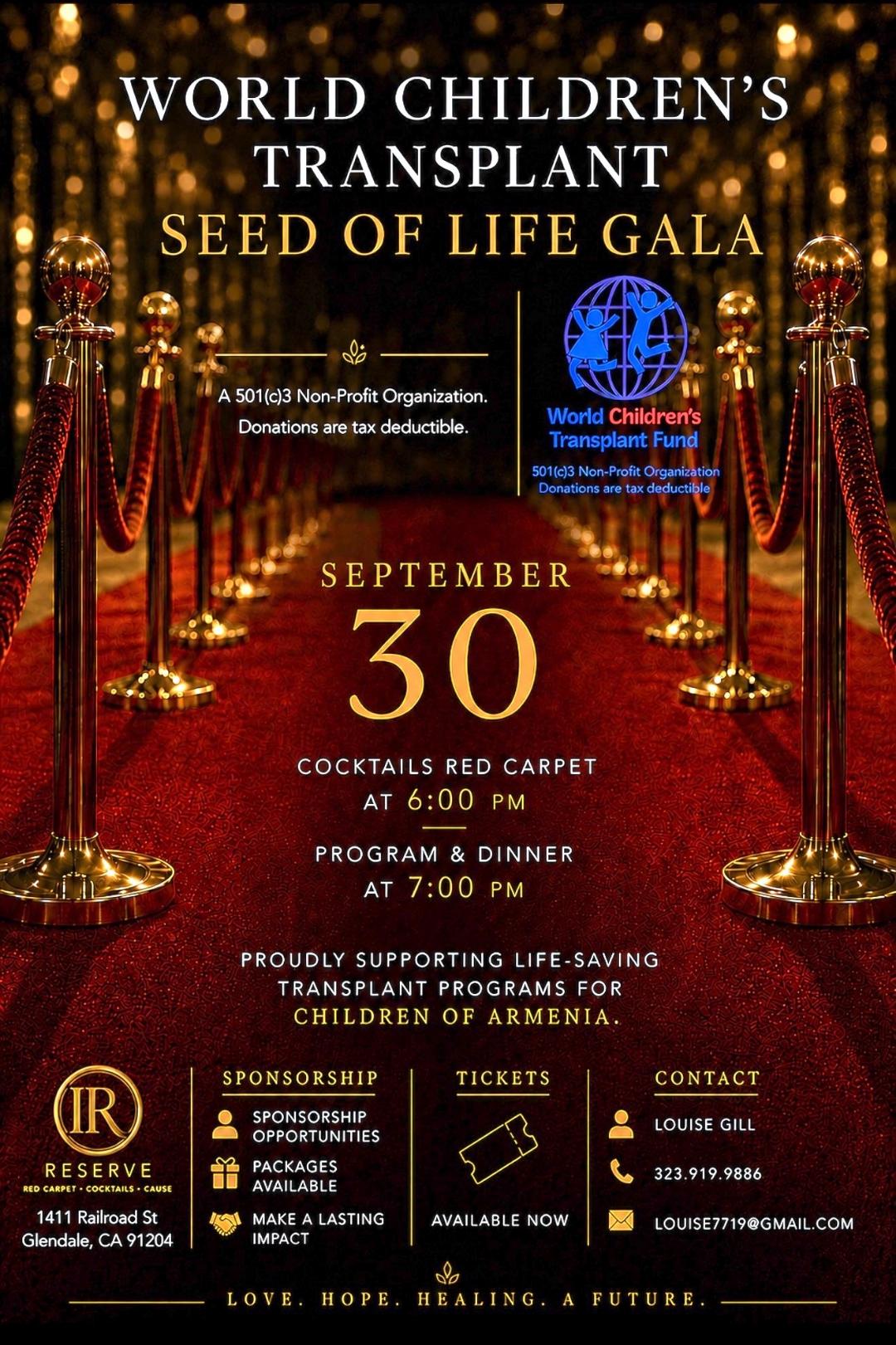
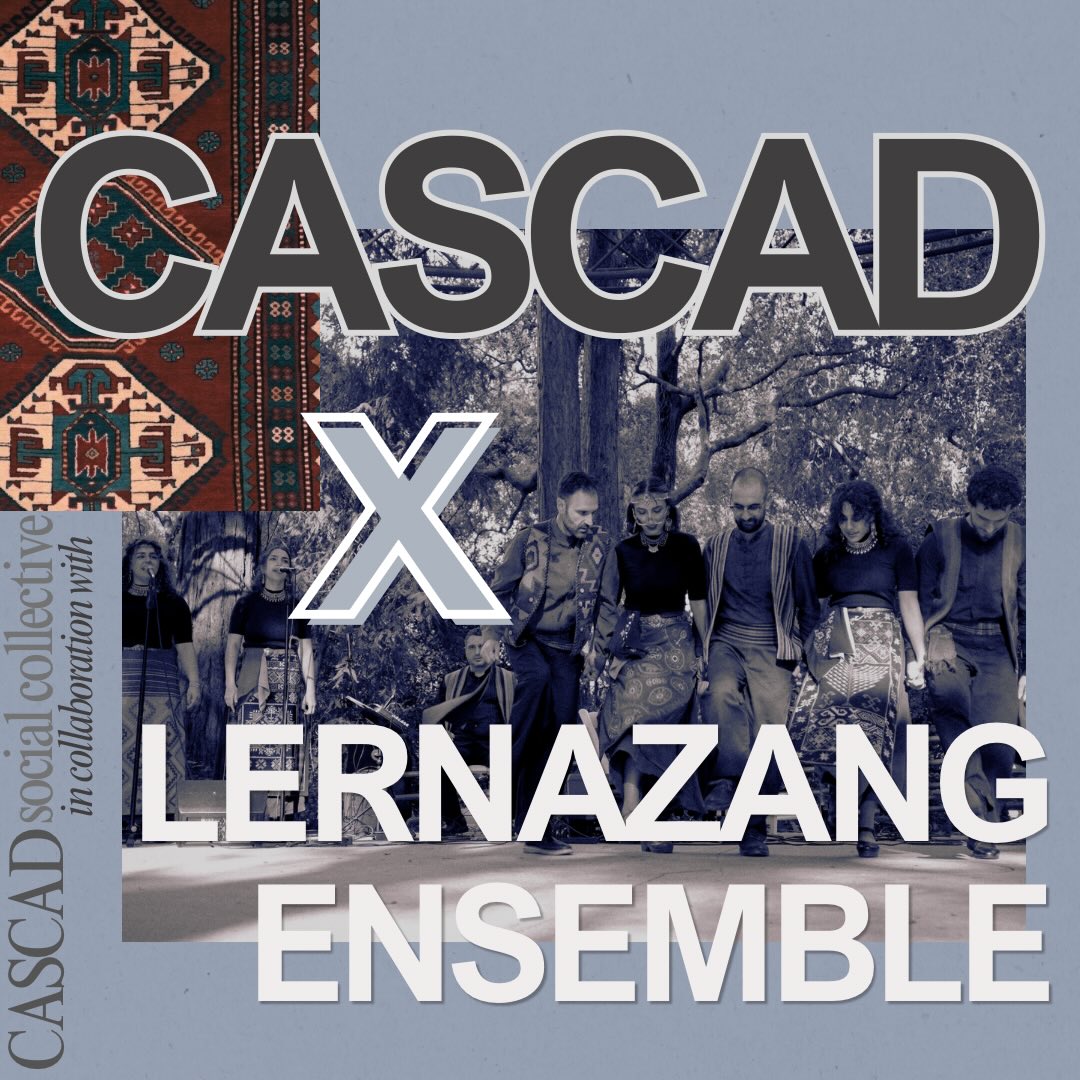
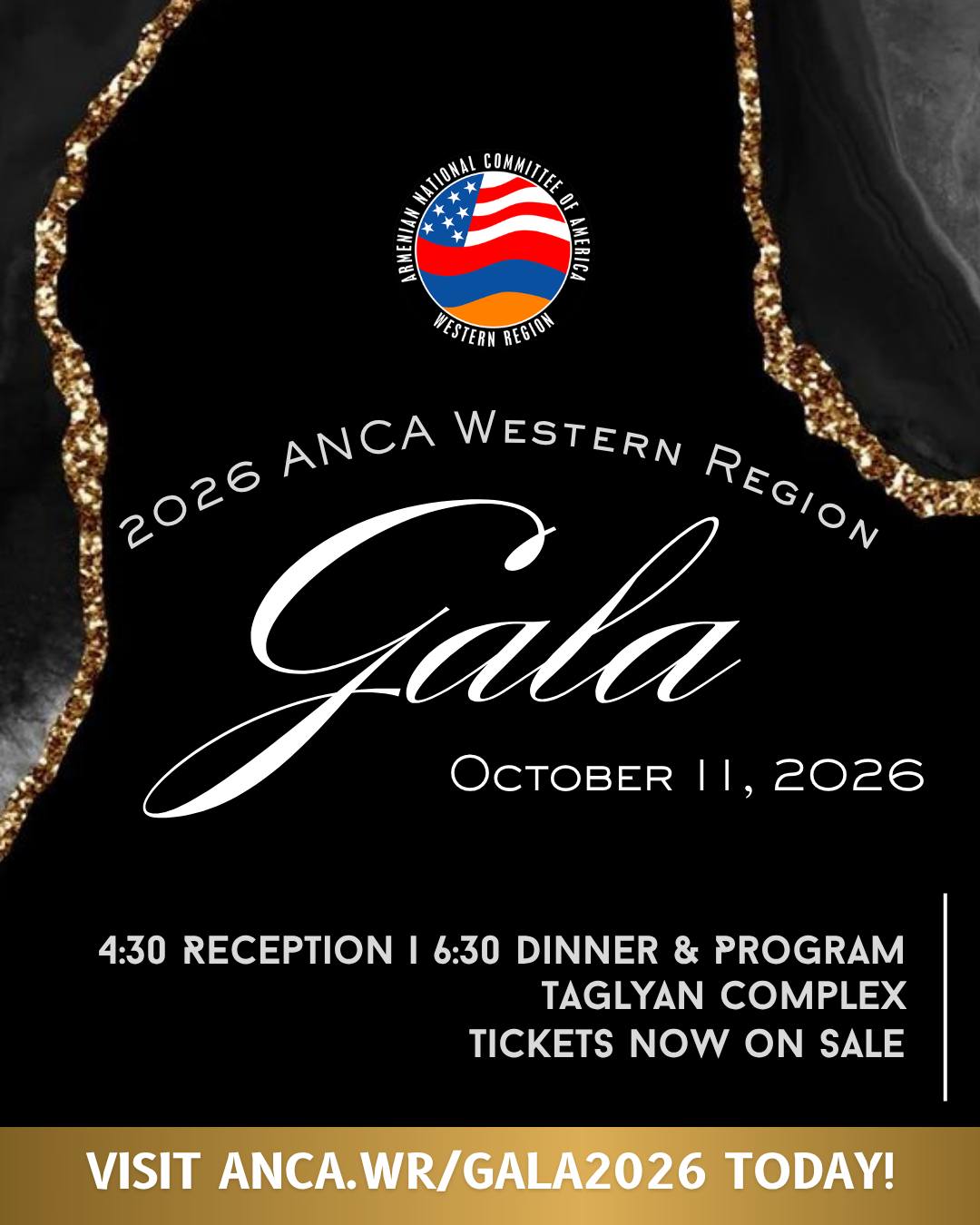
One easy doorway back into culture is simply showing up. Explore Armenian community events on the Melkoni Media calendar.