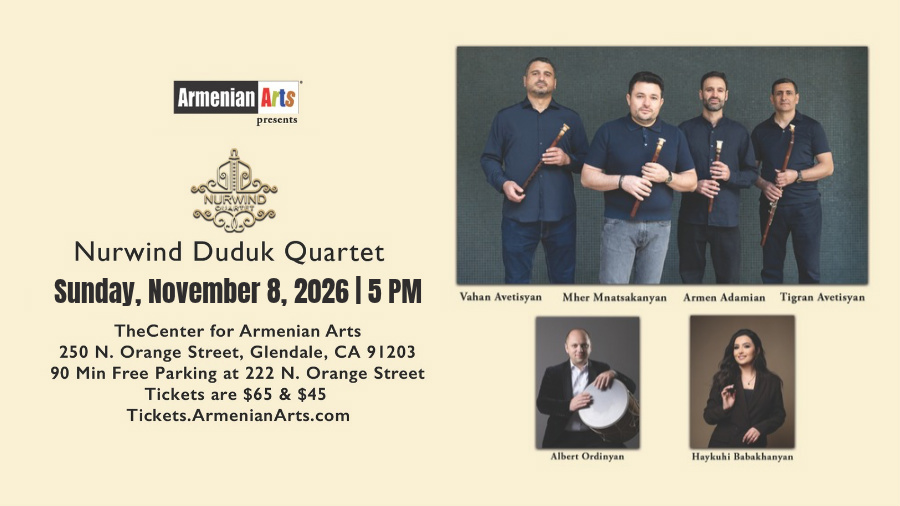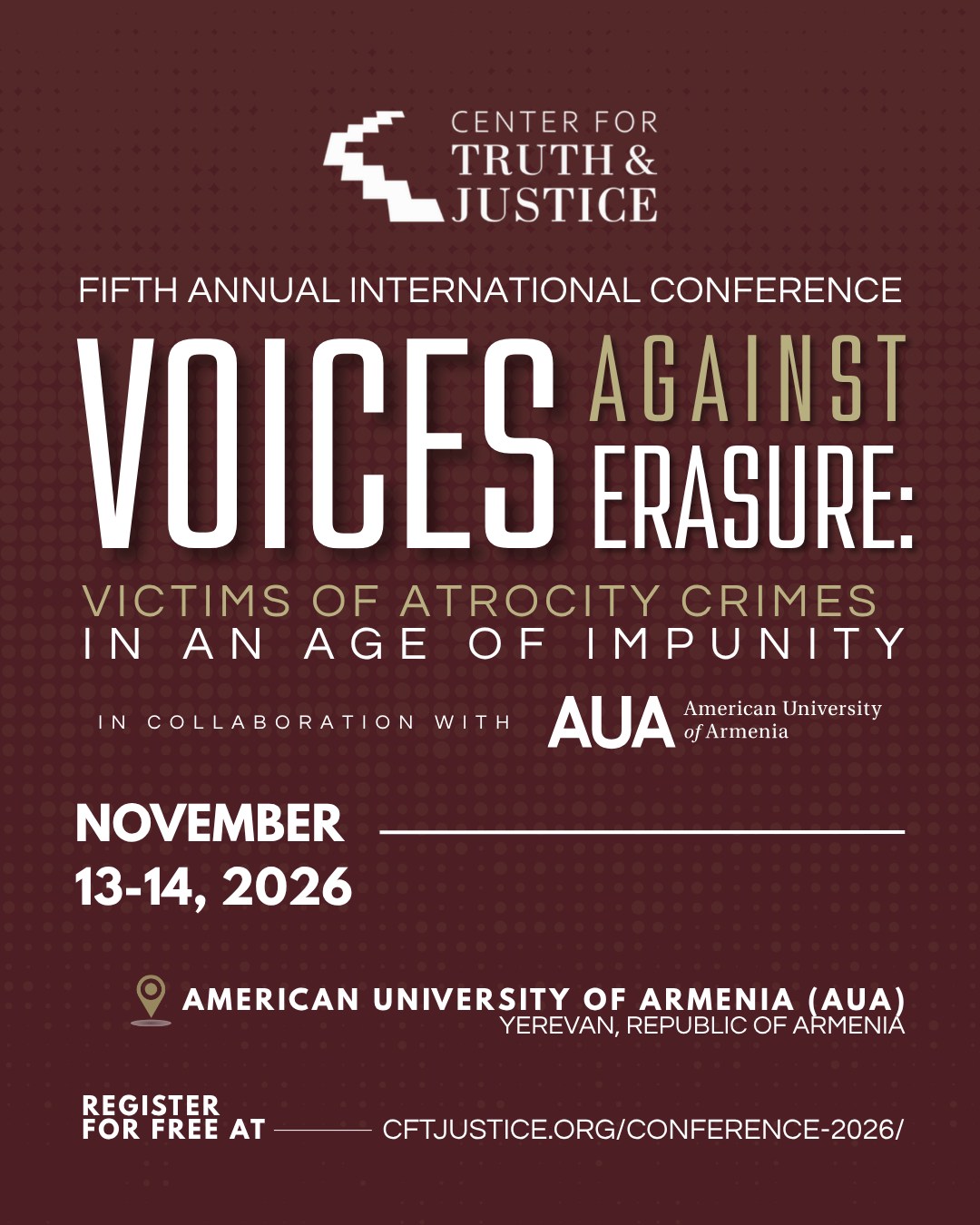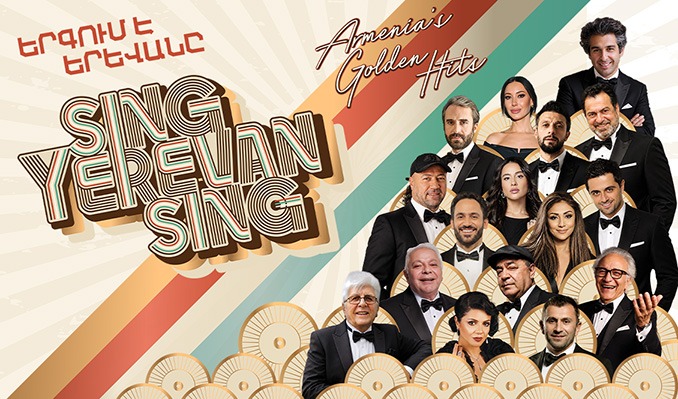


Guests begin experiencing an event long before they walk through the door.
They experience it while trying to understand the invitation, deciding whether the night is worth their time, checking traffic, choosing what to wear and wondering if “doors at seven” means the program starts at seven or the event simply begins thinking about beginning.
Clear communication is not administrative clutter. It is the first act of hospitality.
Tell people what the evening actually is
“An unforgettable night” does not help someone decide whether to attend.
Give the shape of the experience. Is it a seated program, open-house reception, concert, dinner, panel or fundraiser? Will guests be moving between spaces? Is the main appeal a featured speaker, performance, community cause or chance to connect?
Urgency can be useful when it is true. If seating is genuinely limited or registration closes on a specific date, say so. But urgency answers when to act. The description still needs to explain why the experience deserves a person’s time and energy.
Separate doors, program and ending times
Timing is one of the most common sources of preventable frustration.
List when doors open, when the main program begins and the expected end time. If dinner service or a reception happens first, make that clear. If late seating is limited, say it before someone is standing outside the room.
An accurate end time matters to parents, caregivers, employees working the next morning and anyone arranging transportation. “Until late” is a mood, not a plan.
Reduce arrival anxiety
Parking, entrances and check-in can shape the first twenty minutes more than the décor.
Tell guests where to park, whether validation is available and which entrance to use. Mention stairs, elevators, seating access and outdoor portions of the event. Provide a real contact method for day-of questions.
This information should be easy to find on a phone. Do not bury it inside a long paragraph or a flyer designed for a much larger screen.
Give the dress code enough context
A dress code should reduce uncertainty. If the phrase is broad, add examples and practical notes.
“Festive cocktail; the reception is partly outdoors” is more useful than “dress to impress.” “Black tie optional; cultural formalwear is welcome” tells guests what kind of room they are entering.
For a fuller guide, see what common event dress codes should actually communicate.
Repeat the essentials without creating noise
People miss information. A concise reminder one or two days before the event can be helpful, especially when it collects the practical details in one place.
Do not send five messages that each reveal one more instruction. Put the address, timing, parking, dress, ticket access and contact information together. If something changes, label the update clearly and explain what the guest needs to do.
Clarity protects the feeling you are trying to create
Good event communication does not remove anticipation. It removes the wrong kind of uncertainty.
Guests can still be surprised by a performance, moved by a story or delighted by a detail. They should not be surprised that the program began before the time printed on the invitation.
When people arrive prepared, they spend less energy solving logistics and more energy participating. That is not a small operational win. It is part of what makes the event feel worth attending.