
A dress code is supposed to answer a question. Increasingly, it creates several more.
“Cocktail attire” can produce everything from a dark suit to a satin mini dress to a man in expensive sneakers insisting the jacket makes it formal. “Festive” could mean sequins, holiday colors or simply arriving with a positive attitude. “California formal” sounds like somebody wants elegance but is afraid to say no denim.
Hosts are trying to set a mood without sounding controlling. Guests are trying not to become the only person in a tuxedo at an event with food trucks.
We need clearer language.
Cocktail: polished, social and ready for evening
Cocktail attire is dressy without becoming ceremonial.
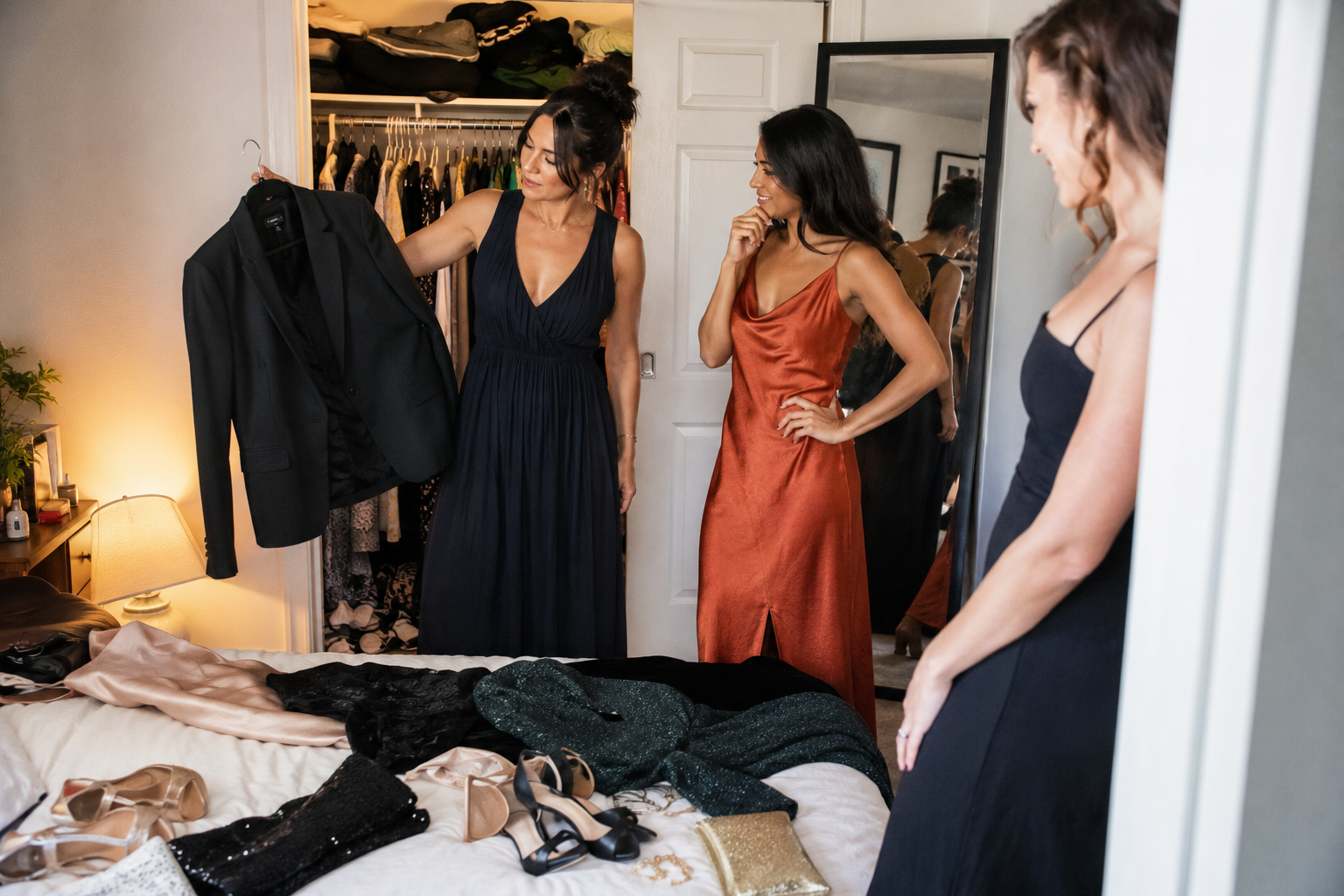
For women, that can include a cocktail dress, polished jumpsuit, elegant separates or a longer dress that does not read as a full gala gown. For men, a suit is the safest answer. A tie may be optional depending on the venue and crowd, but the outfit should look intentionally assembled.
The mistake is translating “not black tie” into casual. Cocktail is still an occasion. Your everyday office clothes may work if they are elevated, but your everyday errands clothes have not been invited.
Semi-formal: the term that explains almost nothing
Semi-formal is often used interchangeably with cocktail, which is why guests search for clarification the moment the invitation arrives.
In practice, semi-formal usually means a suit or coordinated dress trousers and jacket for men, and a cocktail dress, midi dress, jumpsuit or refined separates for women. Daytime events can be lighter in color and fabric. Evening events should generally feel richer and more polished.
Hosts can improve this term by adding one sentence: “Suits and cocktail or midi dresses are encouraged.” Nobody has ever been harmed by useful specificity.
Black tie optional: formal, with one escape route
Black tie optional does not mean “wear whatever, but a tuxedo would be cute.” It means the event is formal enough for tuxedos and gowns, while giving guests other appropriate options.
Men can wear a tuxedo or a dark formal suit with a tie. Women can wear a floor-length gown, formal midi dress, elevated cocktail dress or sophisticated evening separates.
The overall room should still look formal. The word “optional” applies to the tuxedo, not to making an effort.
Black tie: stop negotiating
Black tie is one of the few dress codes that still has a fairly stable meaning.
Men should wear a tuxedo or formal dinner suit. Women should choose floor-length gowns or clearly formal eveningwear. Cultural formalwear can also be completely appropriate when it matches the significance of the event.
If the host says black tie and you decide your designer sneakers are a bold interpretation, you are not interpreting. You are declining the assignment.
Festive: give guests a visual clue
Festive attire works only when the event supplies context. A December fundraiser, spring garden party and birthday dinner can all be festive in completely different ways.
Hosts should pair the word with a palette, mood or example: “festive cocktail with jewel tones,” “garden festive,” or “colorful evening attire.” A small visual mood board on the event page can prevent dozens of private messages.
Guests should treat festive as permission to add personality, not permission to arrive dressed as the centerpiece.
California formal: polished, relaxed and dangerously vague
California formal generally means formal intention with less rigid execution. Think well-cut suits without requiring a tie, long dresses in lighter fabrics, sophisticated jumpsuits and elegant separates that suit an indoor-outdoor venue.
It does not mean beach casual. If sandals, linen or open collars are appropriate, they should still look deliberate and event-ready.
Because the term varies so widely, hosts should always add examples. Otherwise half the room will hear “Malibu wedding” and the other half will hear “creative director at an awards dinner.”
Hosts: describe the room you want
The best dress-code language is not the fanciest. It is the clearest.
Mention the venue surface, weather and whether the event moves outdoors. Tell guests if cultural attire is encouraged. If color matters, say so. If jeans are not appropriate, do not hide that fact inside the word “elevated.”
Guests want to respect the occasion. Help them succeed.
And guests, when the host has been clear, believe them. It is better to be slightly overdressed than to spend the entire evening explaining that your outfit “made more sense at home.”
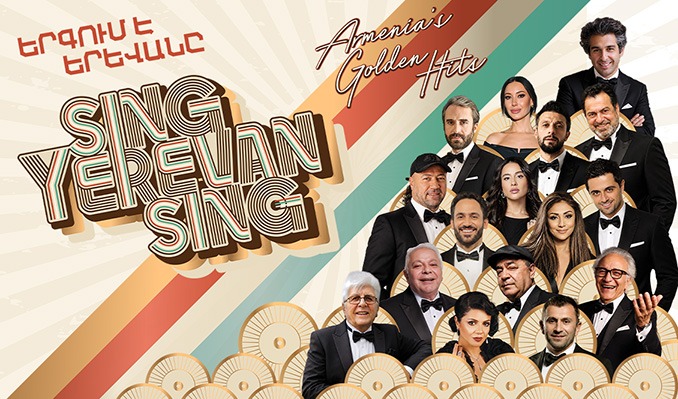
Need somewhere to put that dress-code knowledge to work? Browse upcoming galas and cultural events.