For years, event culture followed the same basic equation: bigger meant better. Bigger stage. Bigger lineup. Bigger sponsor wall. Bigger crowd proving that something important must be happening because it took forty minutes to buy water.
Large festivals can still be incredible. Scale can create a kind of electricity that a small room cannot imitate. But the assumption that size automatically equals value has started to crack.
More people are rediscovering events that do not require a survival plan.
Small events reduce the friction
The modern mega-event begins long before the performance. Presales, queues, resale prices, parking passes, security lines, bag restrictions, app downloads and a map that looks like a municipal infrastructure project all become part of the experience.
By the time guests reach the actual event, they may already be tired and financially defensive.
Smaller events remove much of that machinery. You can often arrive without taking the day off, find the person you came with and hear the program without watching it on a distant screen.
Convenience alone does not make an event meaningful, but unnecessary friction can prevent meaning from having a chance.
You can actually discover something
Massive festivals sell recognition. The biggest names move tickets because audiences already know what they are getting.
Small events are often better at discovery. A neighborhood art walk, independent screening, intimate concert or cultural program can introduce you to work you did not know to search for. The person who made it may be standing a few feet away.
That proximity changes the relationship. Art stops feeling like a product delivered from another world. It becomes part of the place where you live.
The room can respond
In a crowd of fifty thousand, your role is mainly to be counted. In a room of eighty, the audience helps shape the event.
Questions become possible. Performers can adjust. Organizers can notice when the energy changes. Guests can speak to one another without shouting over a branded activation.
Small does not guarantee warmth; an awkward event can be awkward at any capacity. But smaller scale gives connection a fighting chance.
Local events have fingerprints
The best neighborhood events feel specific. The food comes from nearby businesses. The music reflects the community. The venue has history. The crowd includes people who arrived for different reasons but share some relationship to the place.
That specificity is difficult to manufacture. Many large experiences are professionally impressive but strangely interchangeable. Change the sponsor logos and city name, and the event could be anywhere.
Local gatherings are allowed to be a little uneven. The chairs may not match. The schedule may bend. Someone’s aunt may be guarding the dessert table with unreasonable authority. Those imperfections can make the experience feel alive rather than underproduced.
This is not an argument against ambition
Community events deserve good sound, thoughtful design, clear communication and competent production. “Local” should not become an excuse for confusion or low standards.
The point is that ambition does not have to be measured only in attendance. An event can aim to create a remarkable experience for three hundred people instead of a tolerable one for three thousand.
Success can mean guests stayed longer than expected, met someone new, supported an artist or returned the following month.
Those outcomes are harder to place on a giant LED screen, but they are often the reason events matter.
The best night may not have a headliner
People are not running out of entertainment. They are running out of experiences that feel personal.
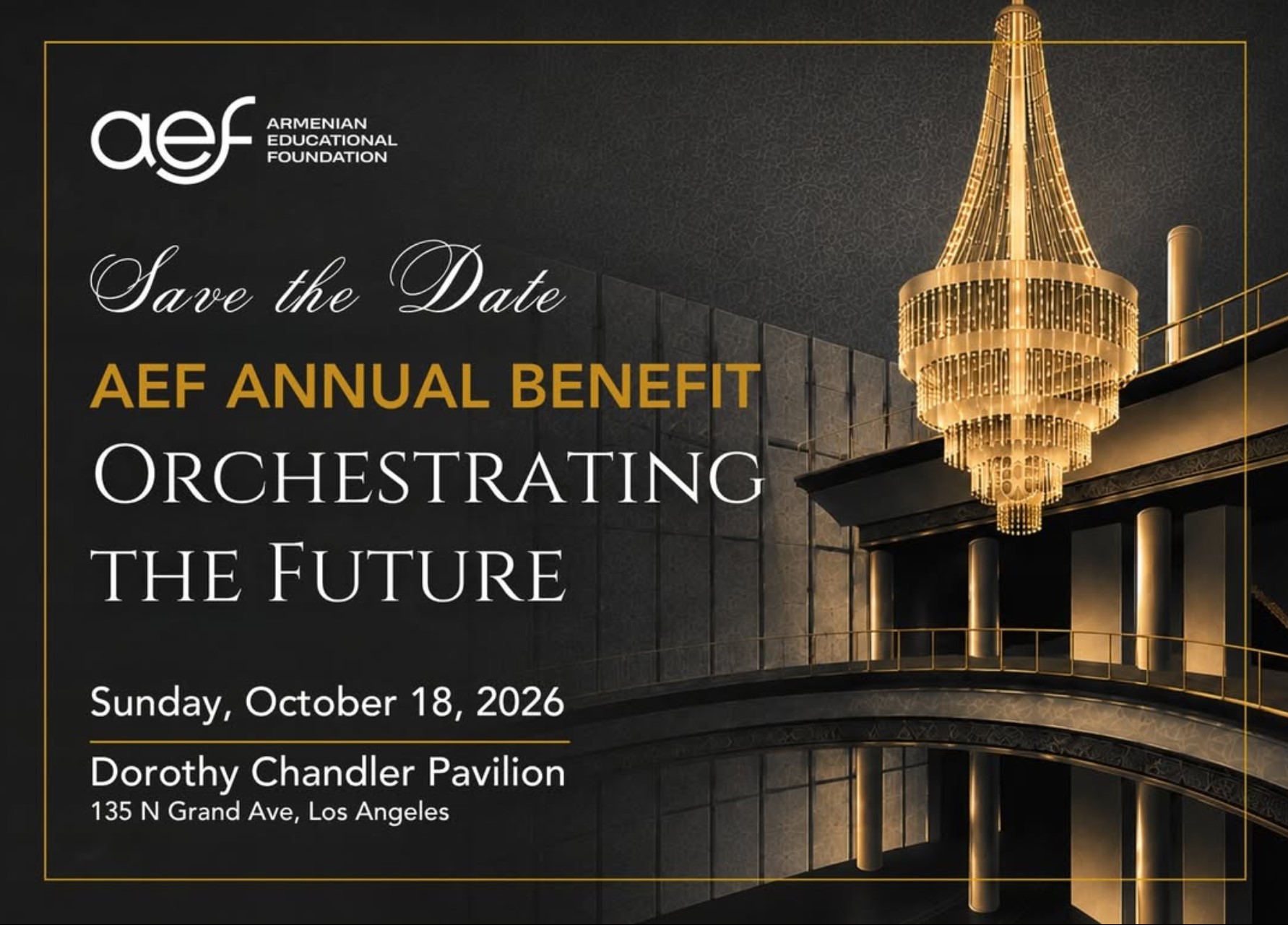
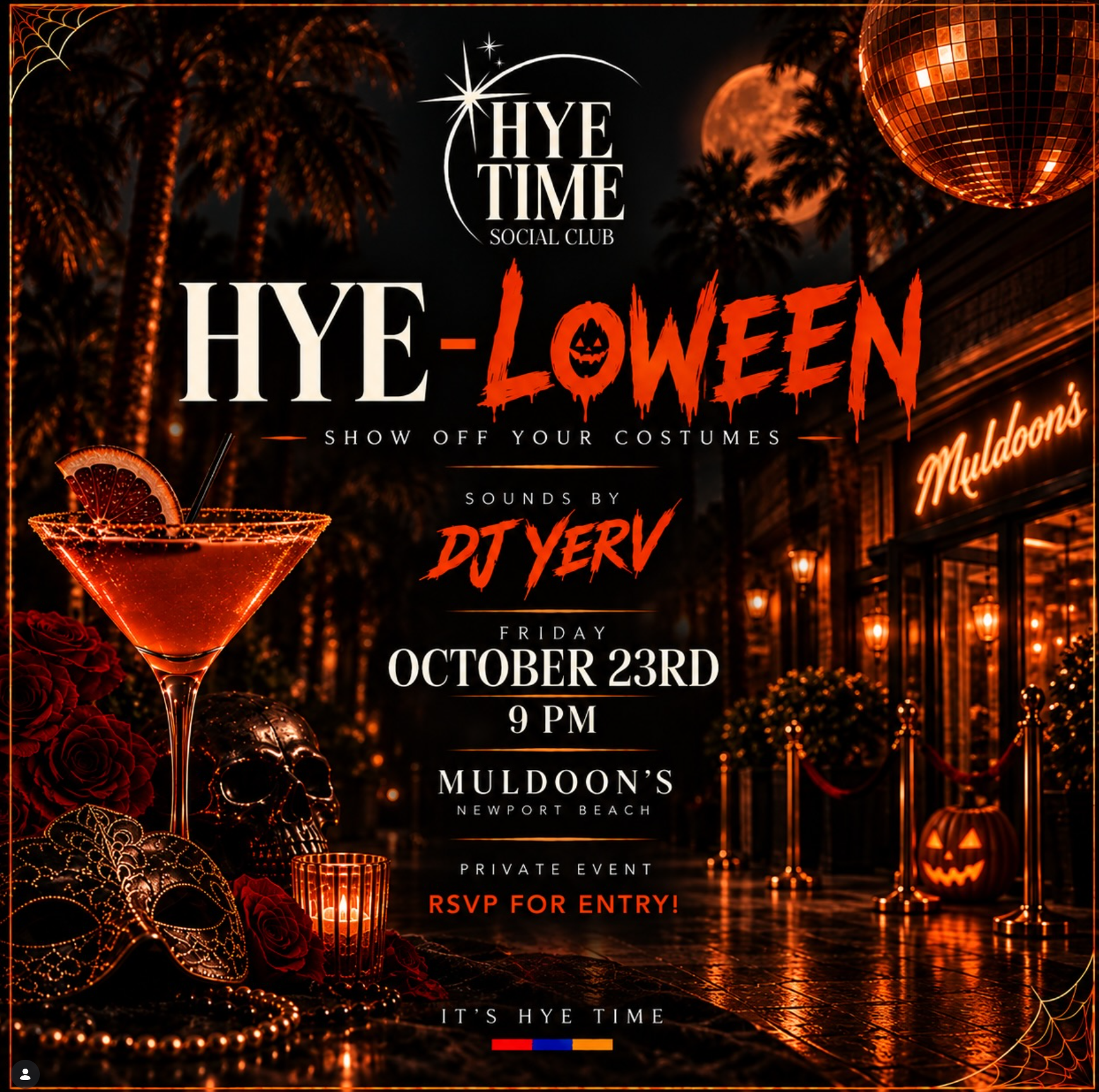
That creates an opening for small organizers, local venues and cultural groups willing to make something specific and welcoming. It also creates an opportunity for audiences to look beyond the events already consuming their feeds.
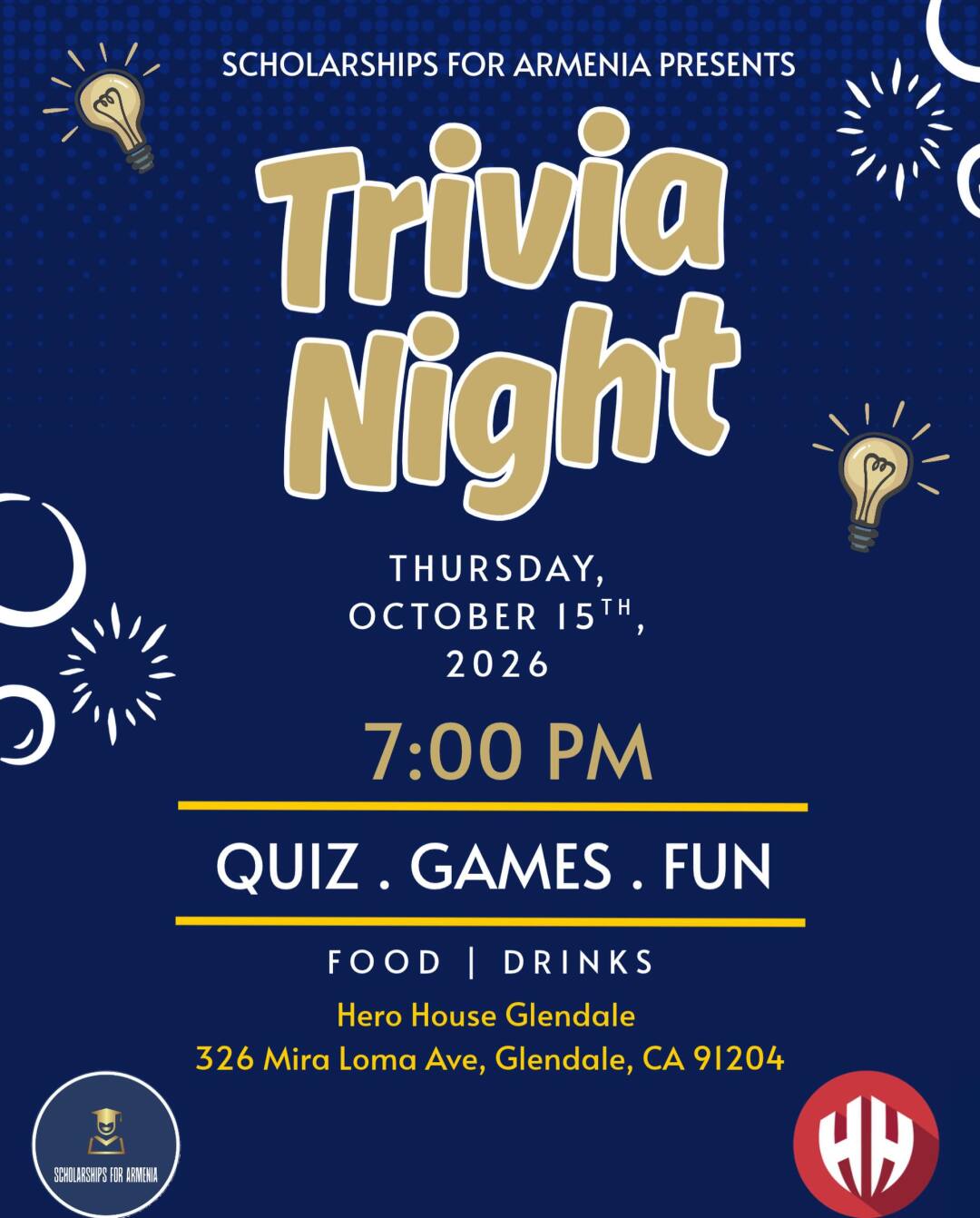
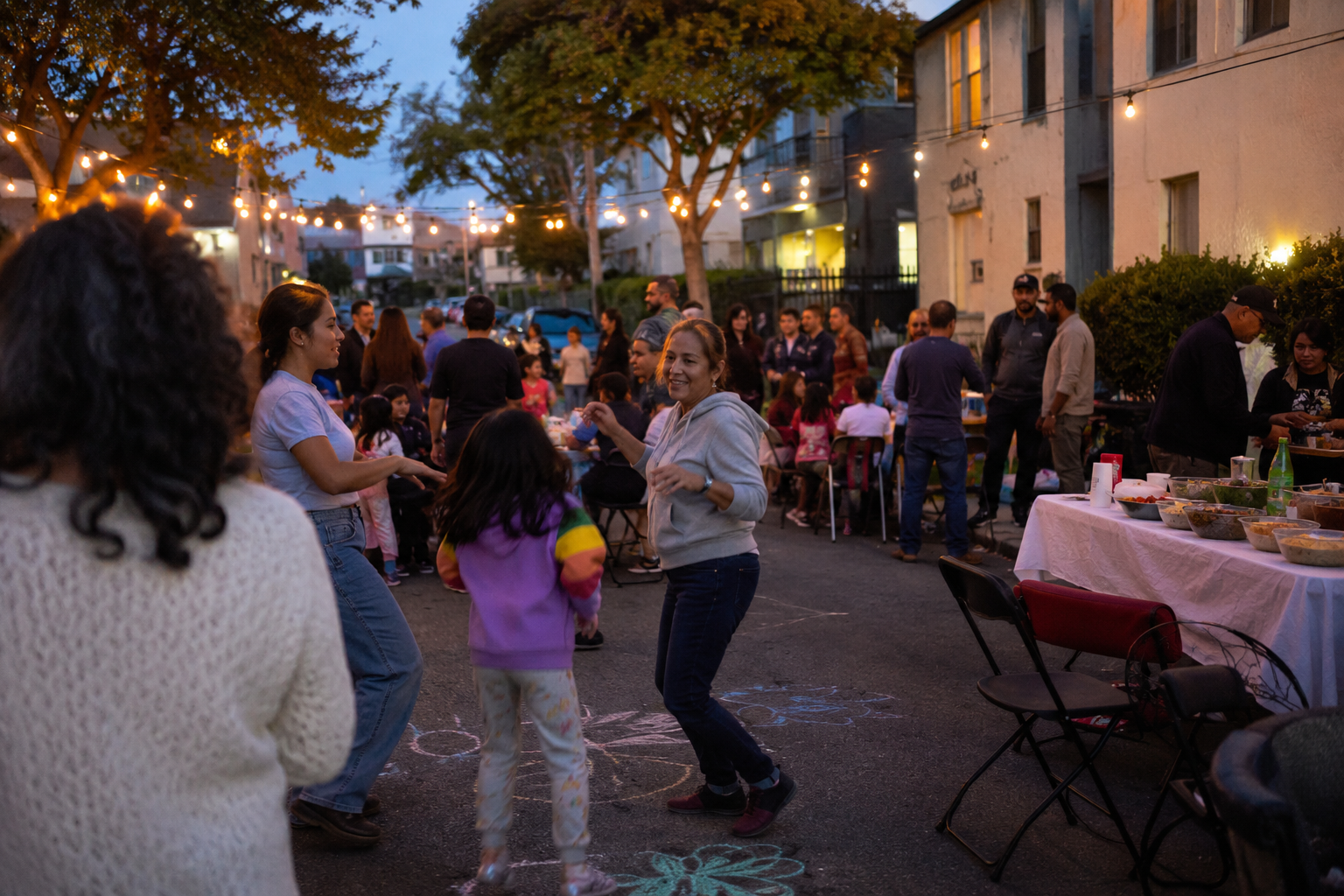
Go to the concert in the courtyard. Attend the screening with thirty chairs. Walk into the gallery you have passed for two years. Try the neighborhood festival where the biggest production challenge is keeping the string lights attached.
The event may be smaller. Your memory of it might not be.
Look beyond the events already consuming your feed and find something smaller, closer and more human.