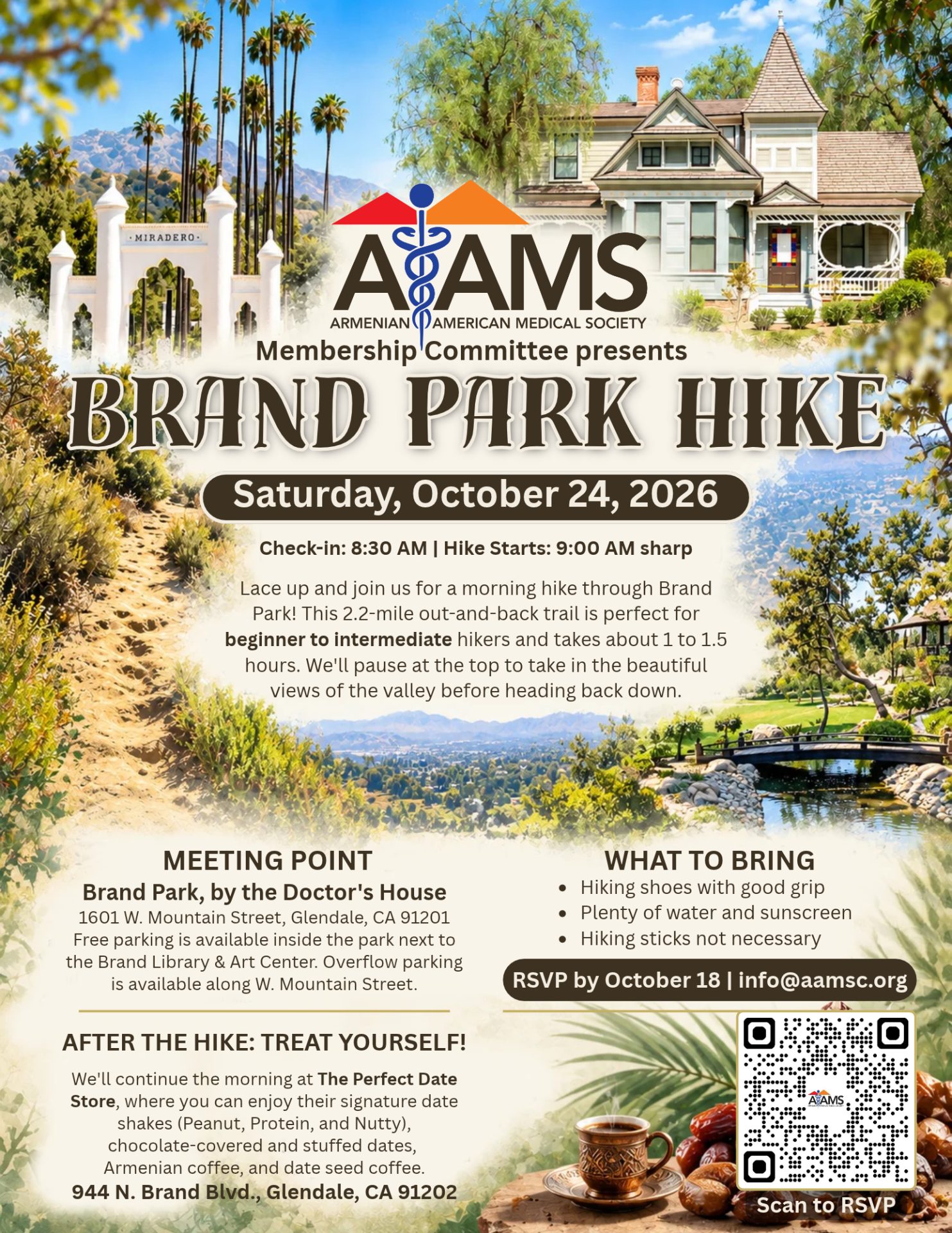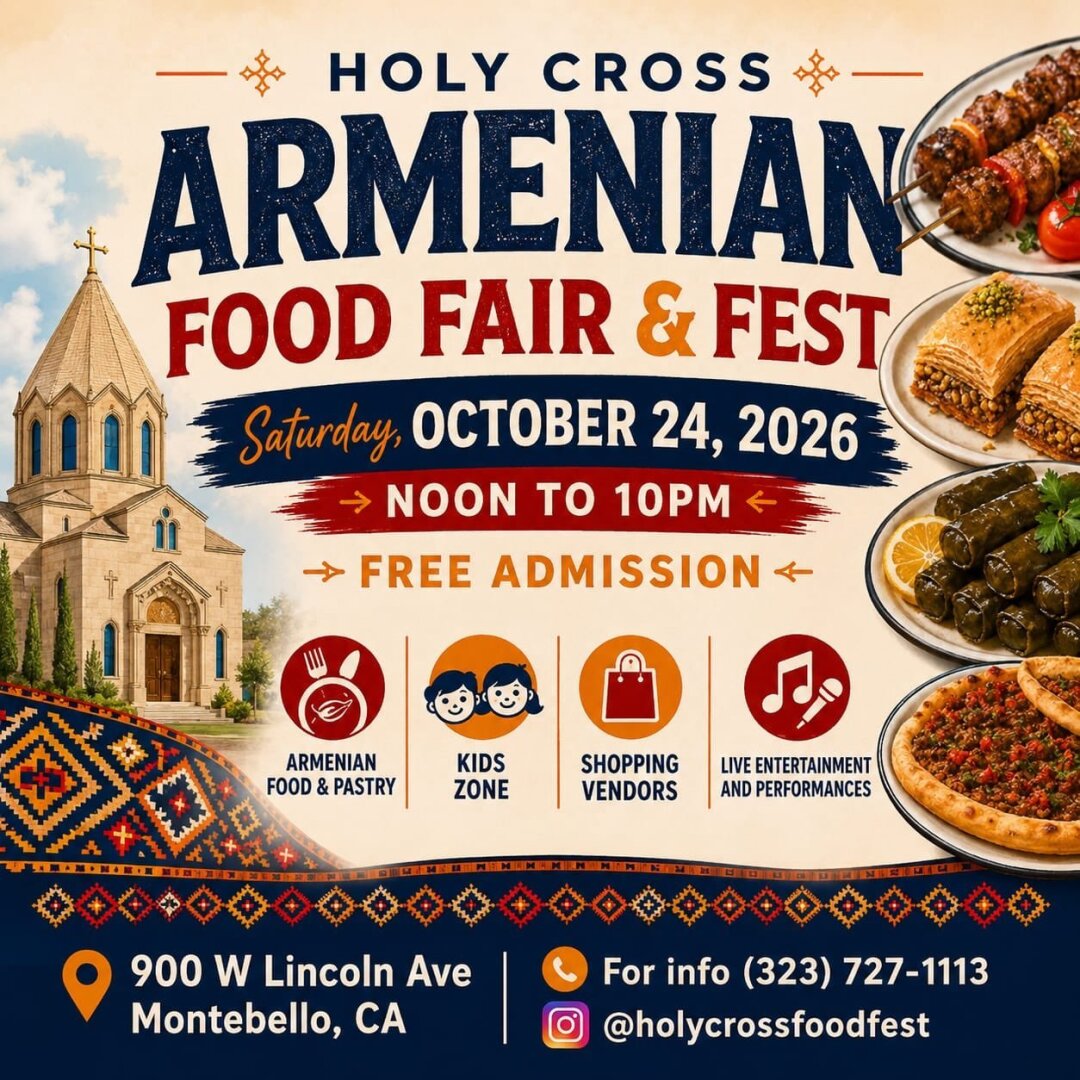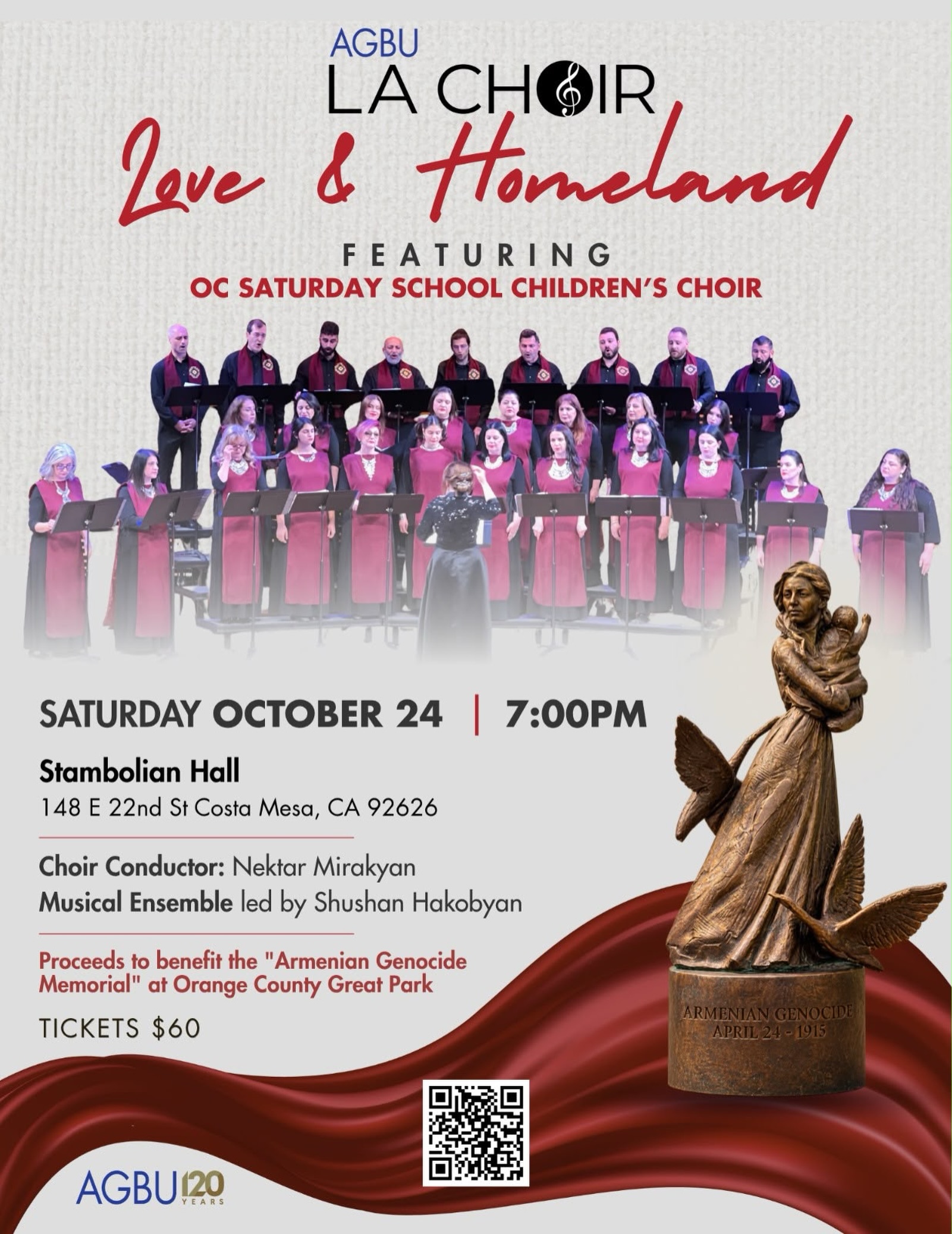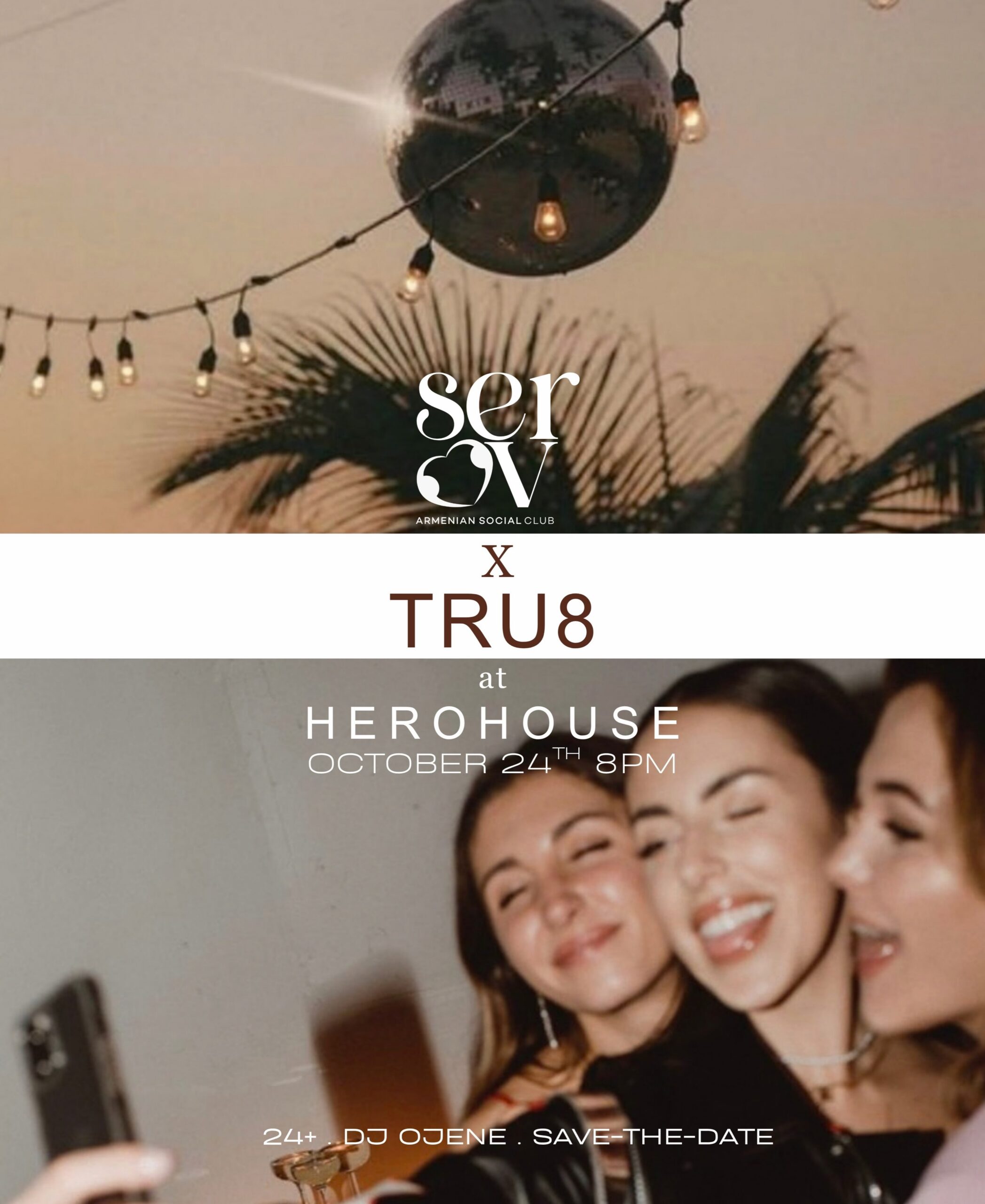
“Support the community” is a meaningful invitation. It is not a complete event strategy.
For generations, Armenian organizations have relied on duty, loyalty and the genuine desire to preserve culture. Those forces built institutions, funded causes and kept communities connected across countries.
But obligation has limits. It may persuade someone to buy a ticket once. It will not automatically make them return, bring friends or feel that the event belongs to their life.
Culture survives through participation, and participation still has to be earned.
Guilt is not audience development
When attendance is weak, the explanation often becomes moral: younger people do not care, families are losing their values, everyone is distracted by social media.
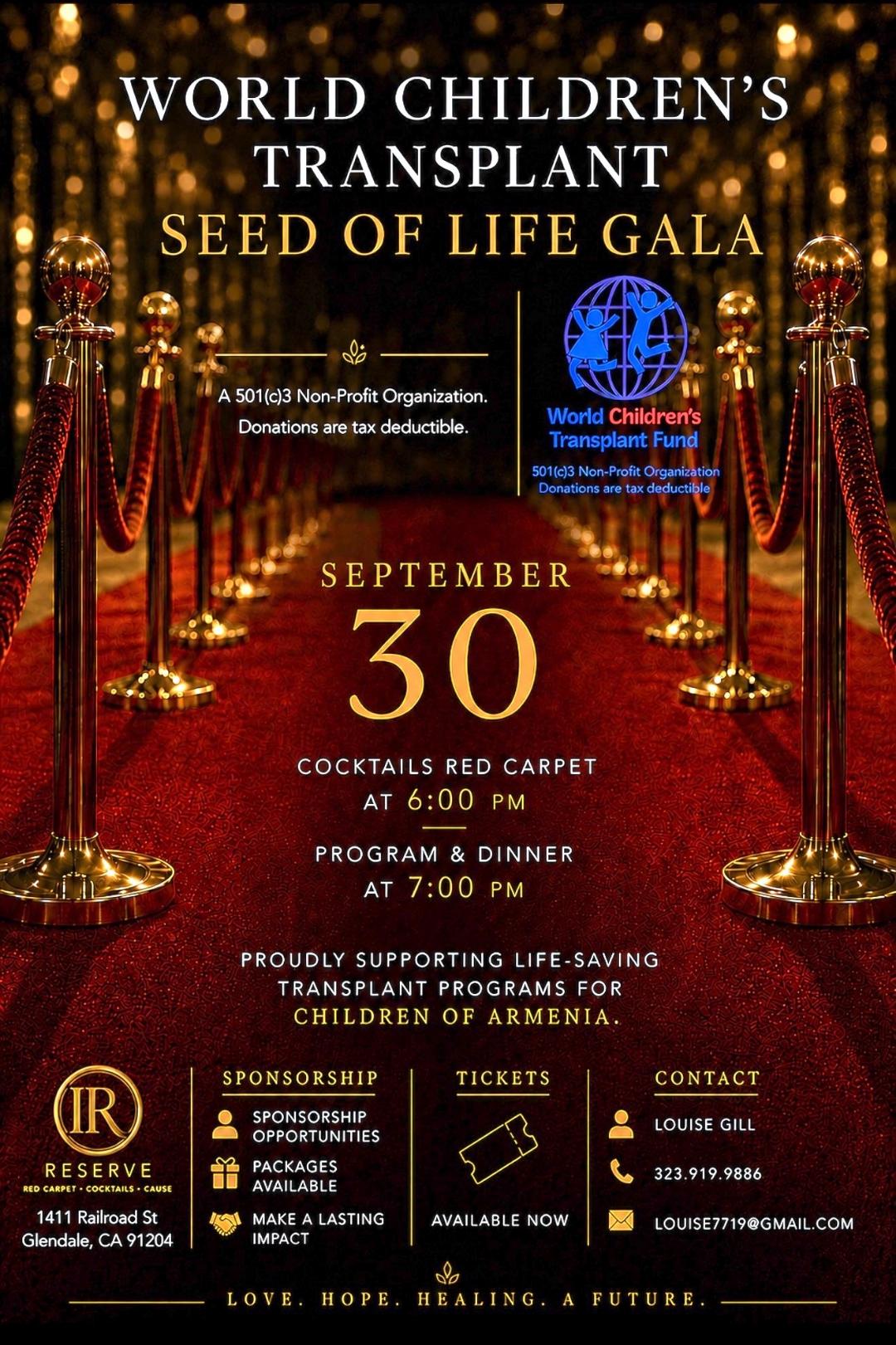
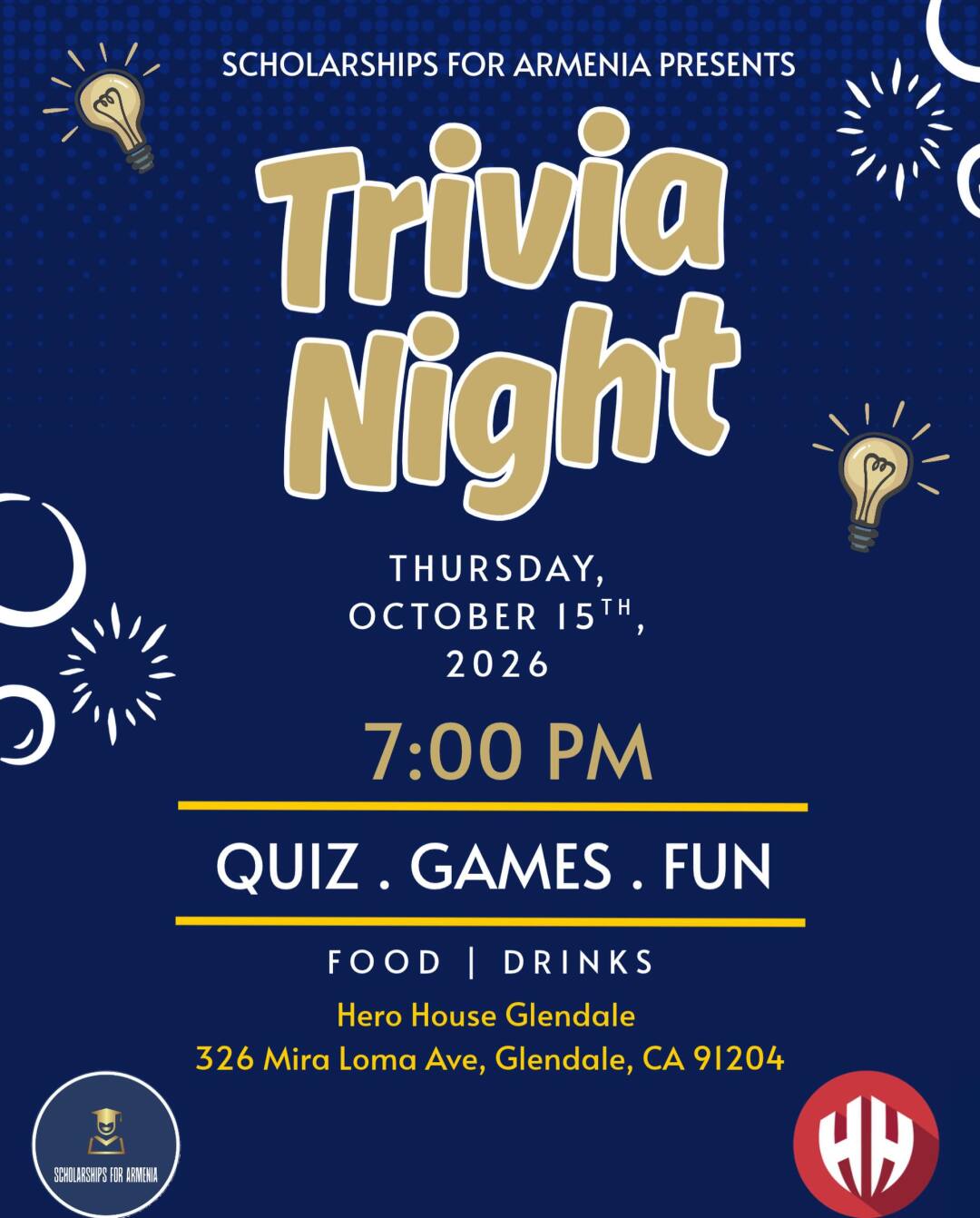
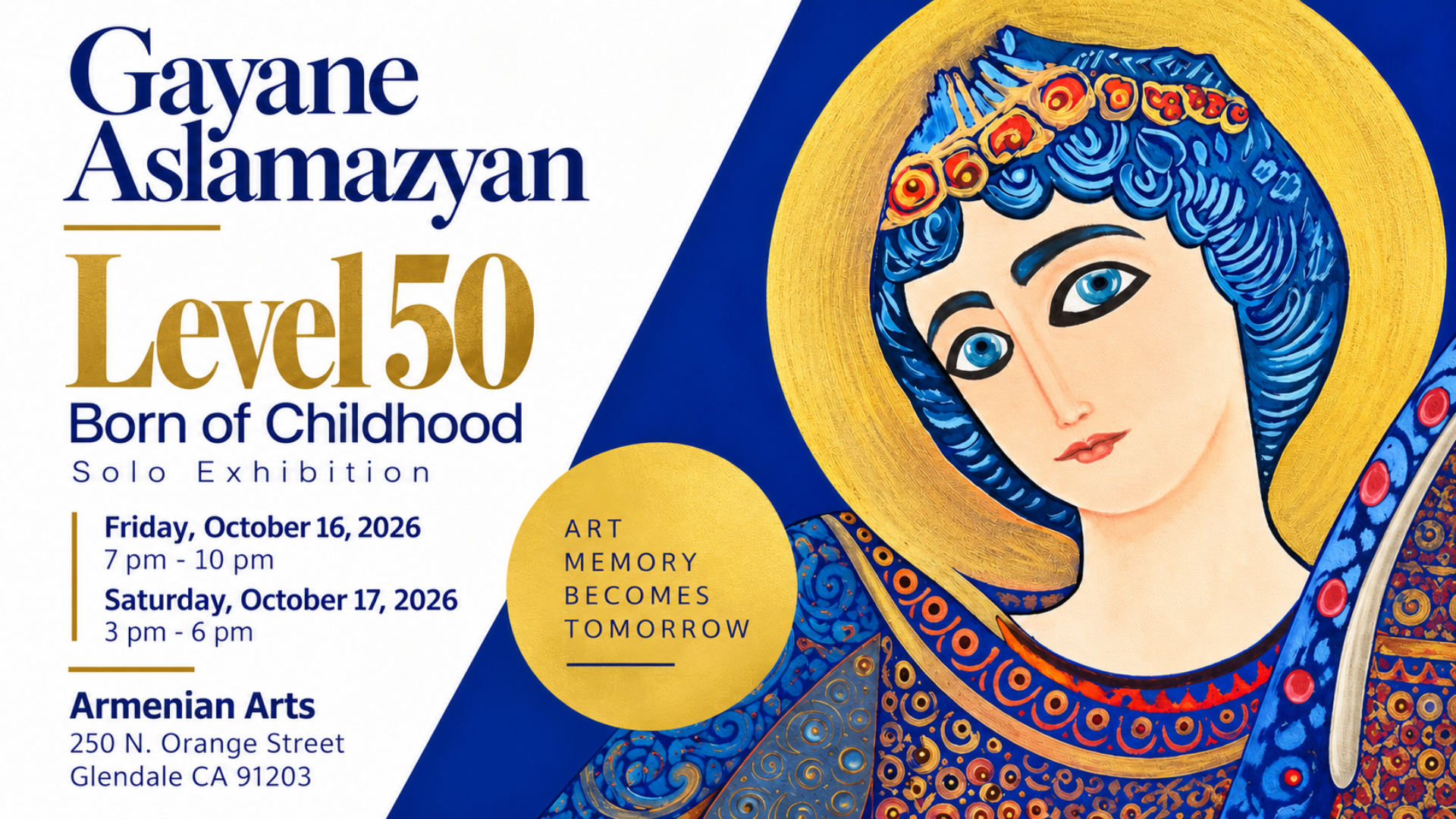
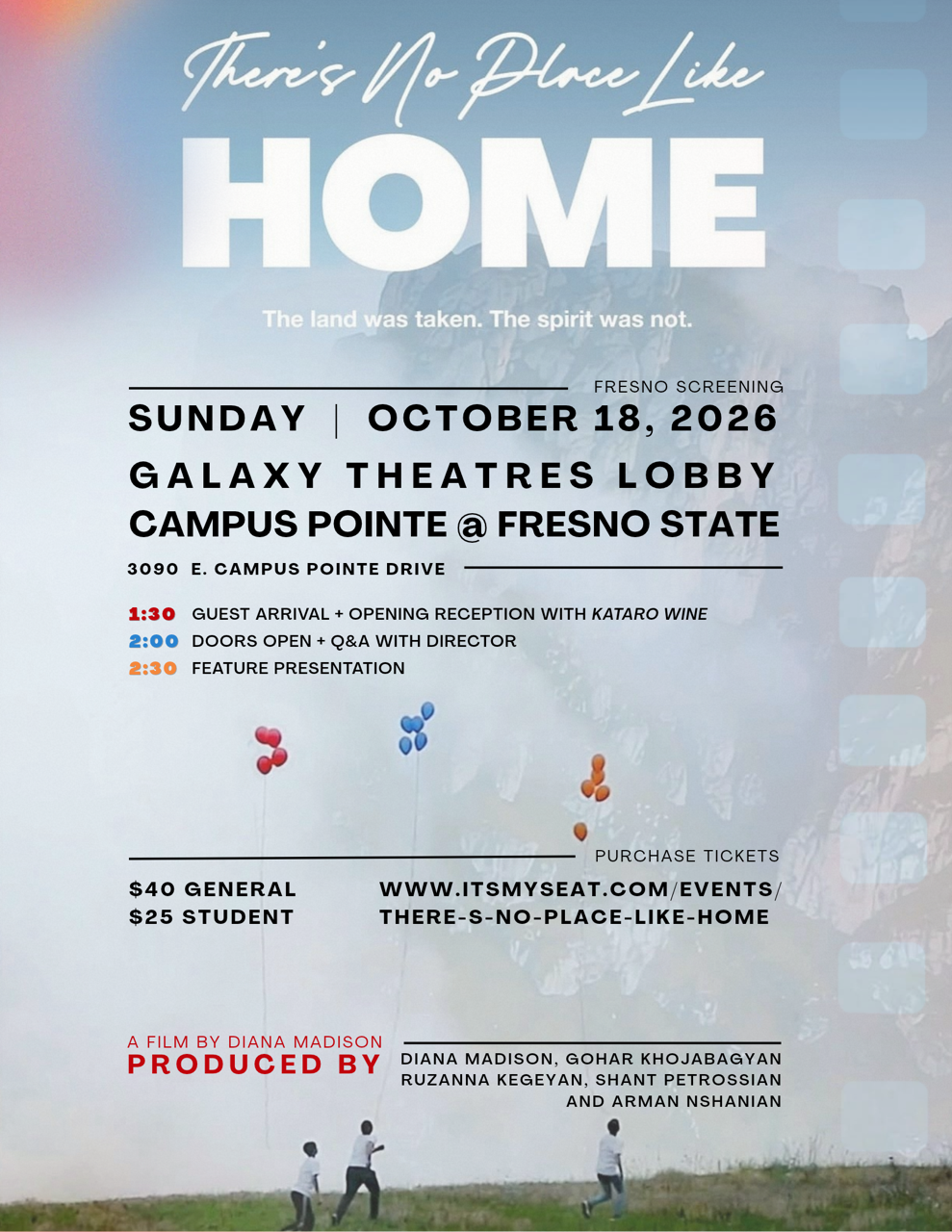
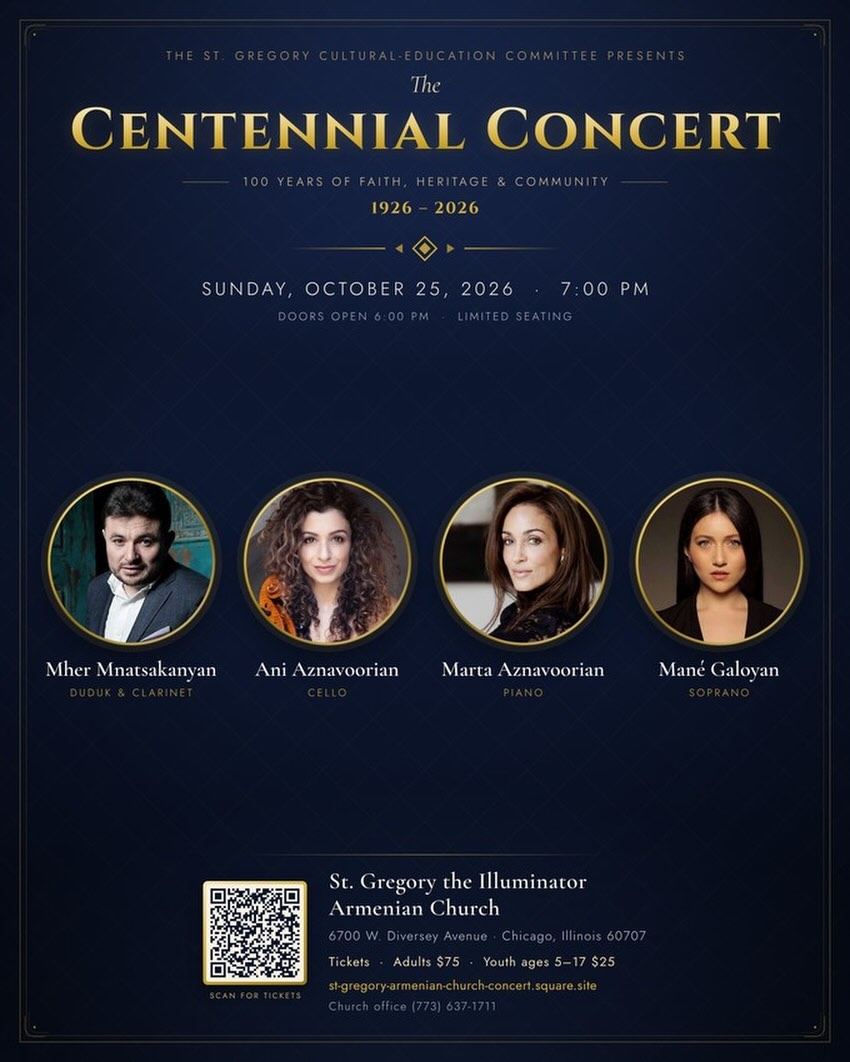
Sometimes audiences are distracted. Sometimes they also received a confusing flyer, could not tell what would happen, saw a ticket price without a clear experience attached and were asked to attend a four-hour program on a Sunday night.
Criticizing the audience is easier than examining the event.
If the main promotional message is that people should attend because they are Armenian, the event is borrowing from identity instead of contributing to it.
Younger Armenians are not rejecting culture
Many younger Armenians actively seek cultural connection. They listen to Armenian music in new forms, follow artists across the diaspora, travel, organize fundraisers, learn family recipes, join professional groups and create communities that do not always resemble the institutions their parents knew.
Their interest is real. Their expectations are also different.
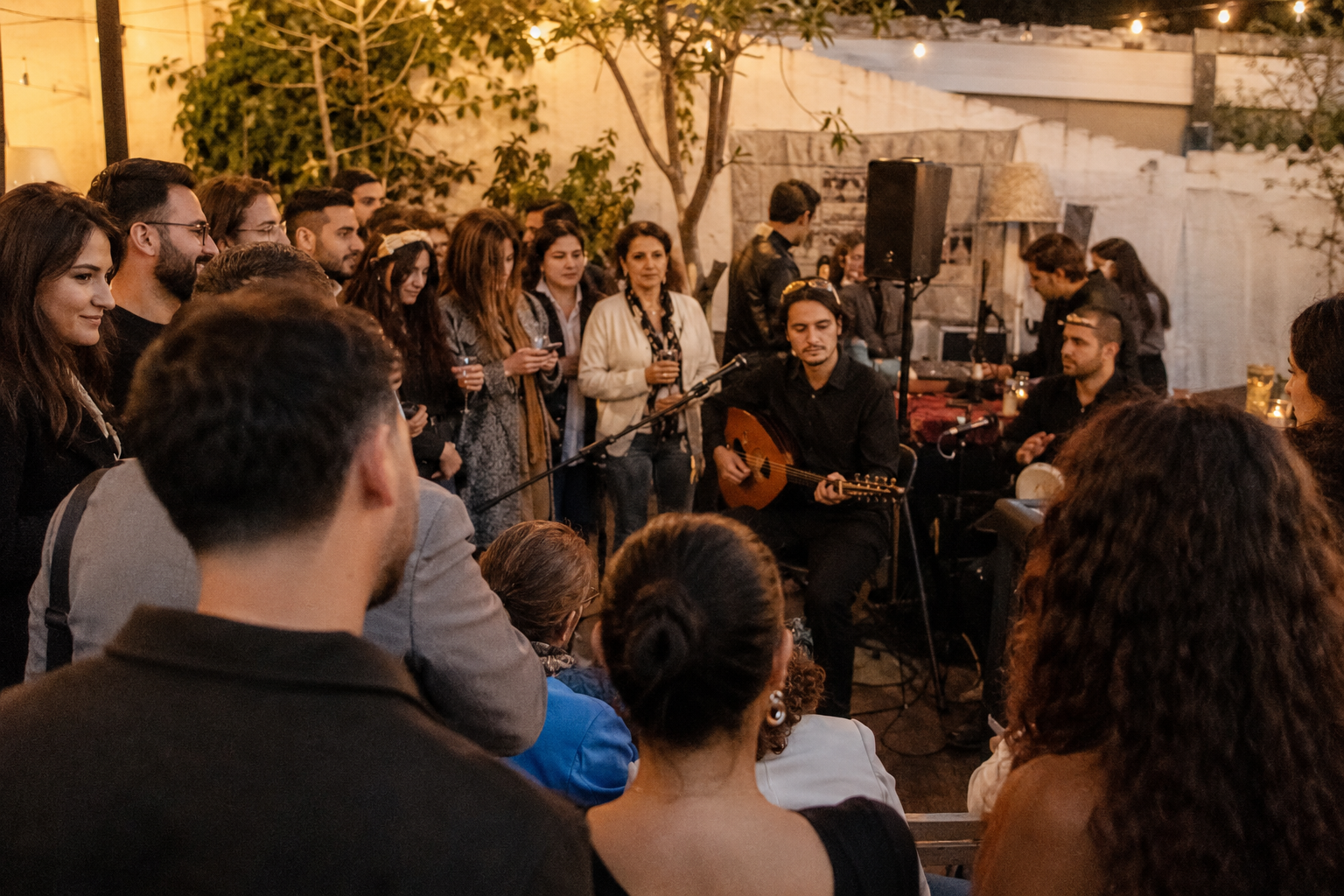
They want events with a clear purpose, credible programming, good communication and an atmosphere where they can participate rather than simply observe a long sequence of speeches.
That is not disrespect. It is an audience telling organizers how cultural life fits into the present.
Tradition is not the same as format
Preserving a tradition does not require preserving every production habit surrounding it.
The music can remain while the program becomes tighter. The cause can remain while the storytelling becomes clearer. The language can remain while key context becomes bilingual. Elders can be honored without designing the entire experience around only one generation’s comfort.
Tradition answers what matters. Format answers how people encounter it.
Confusing the two can turn any suggestion for improvement into a threat, which leaves organizations repeating the same event for a shrinking room.
Make the value visible
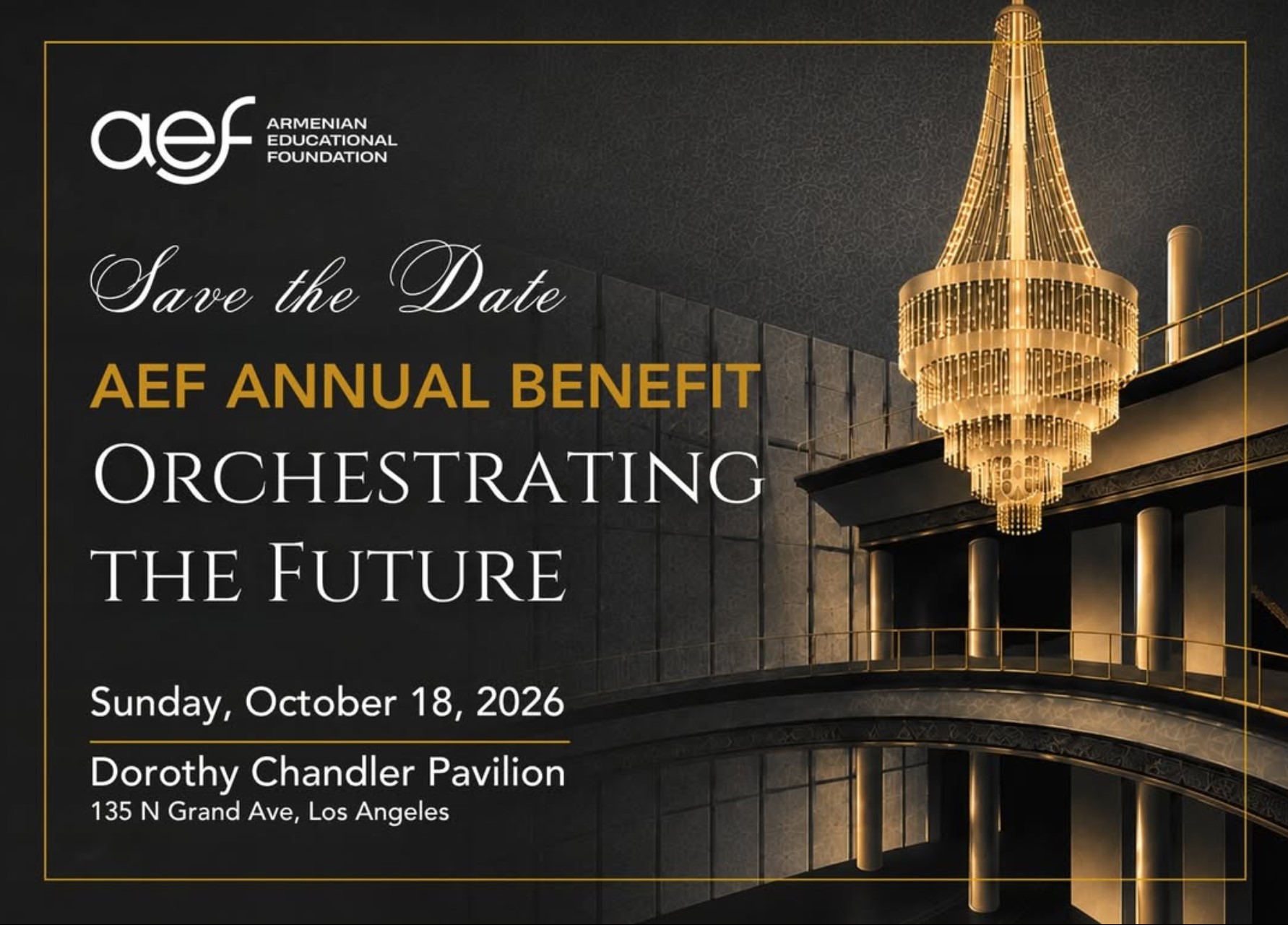
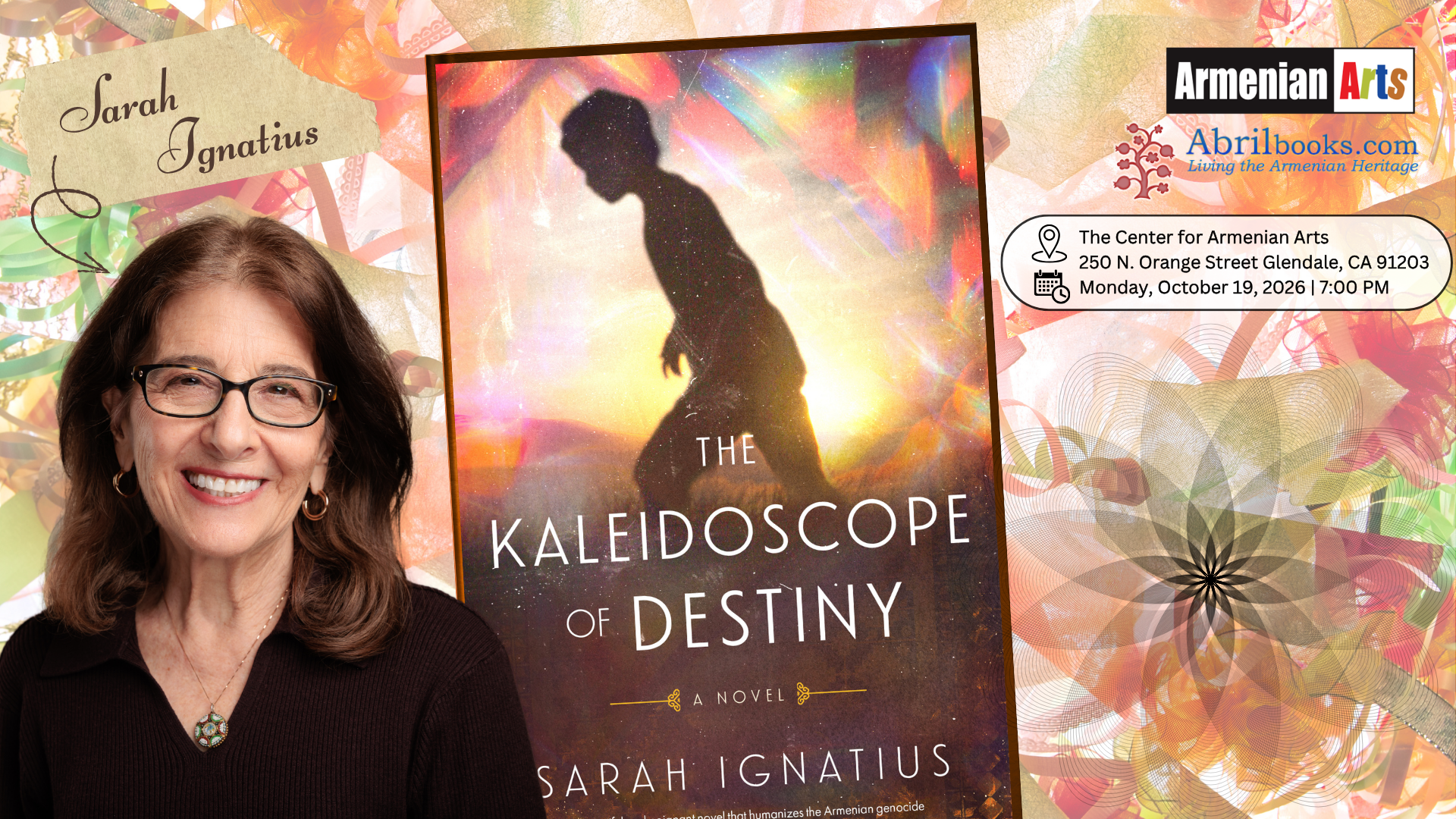
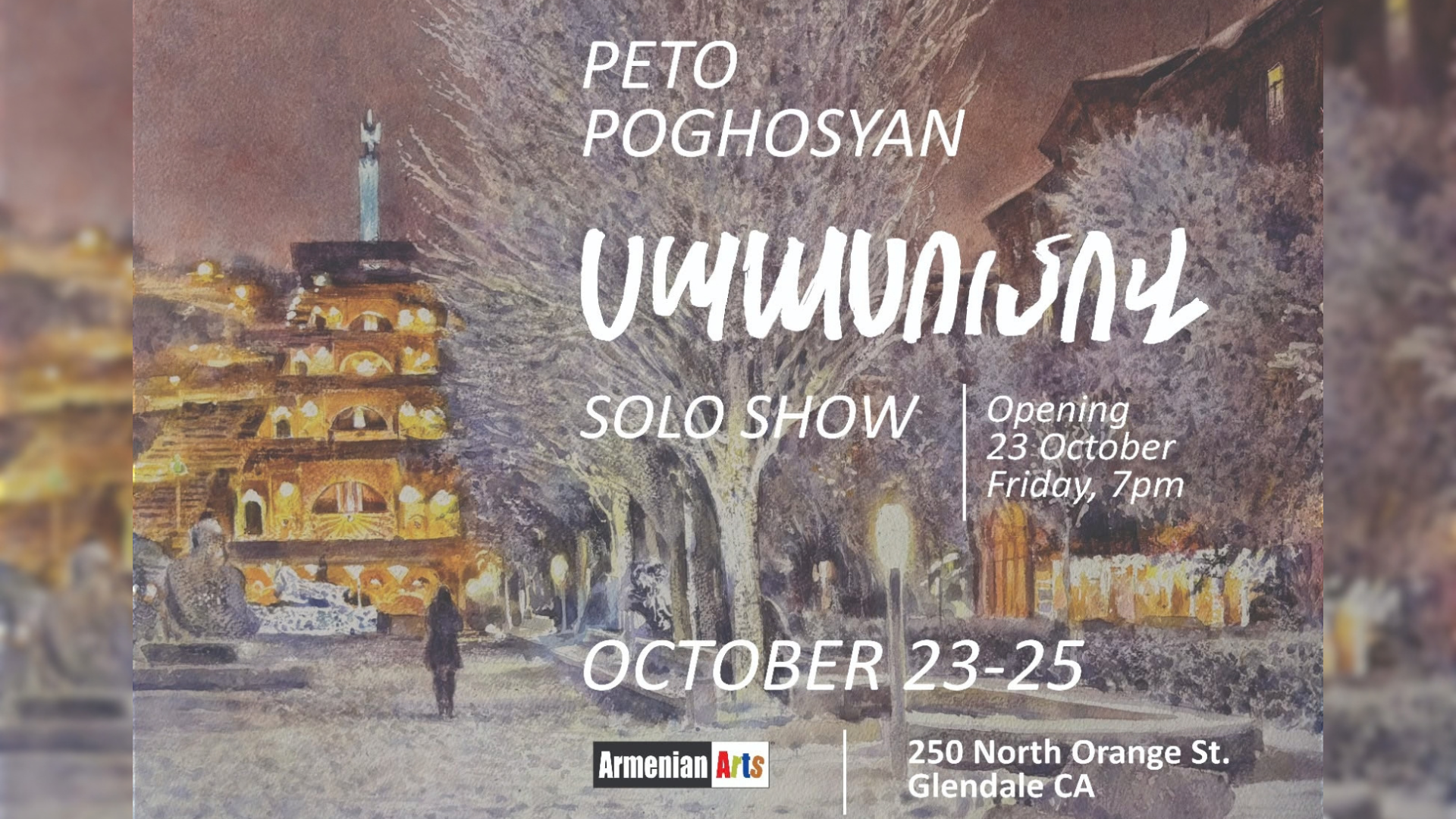
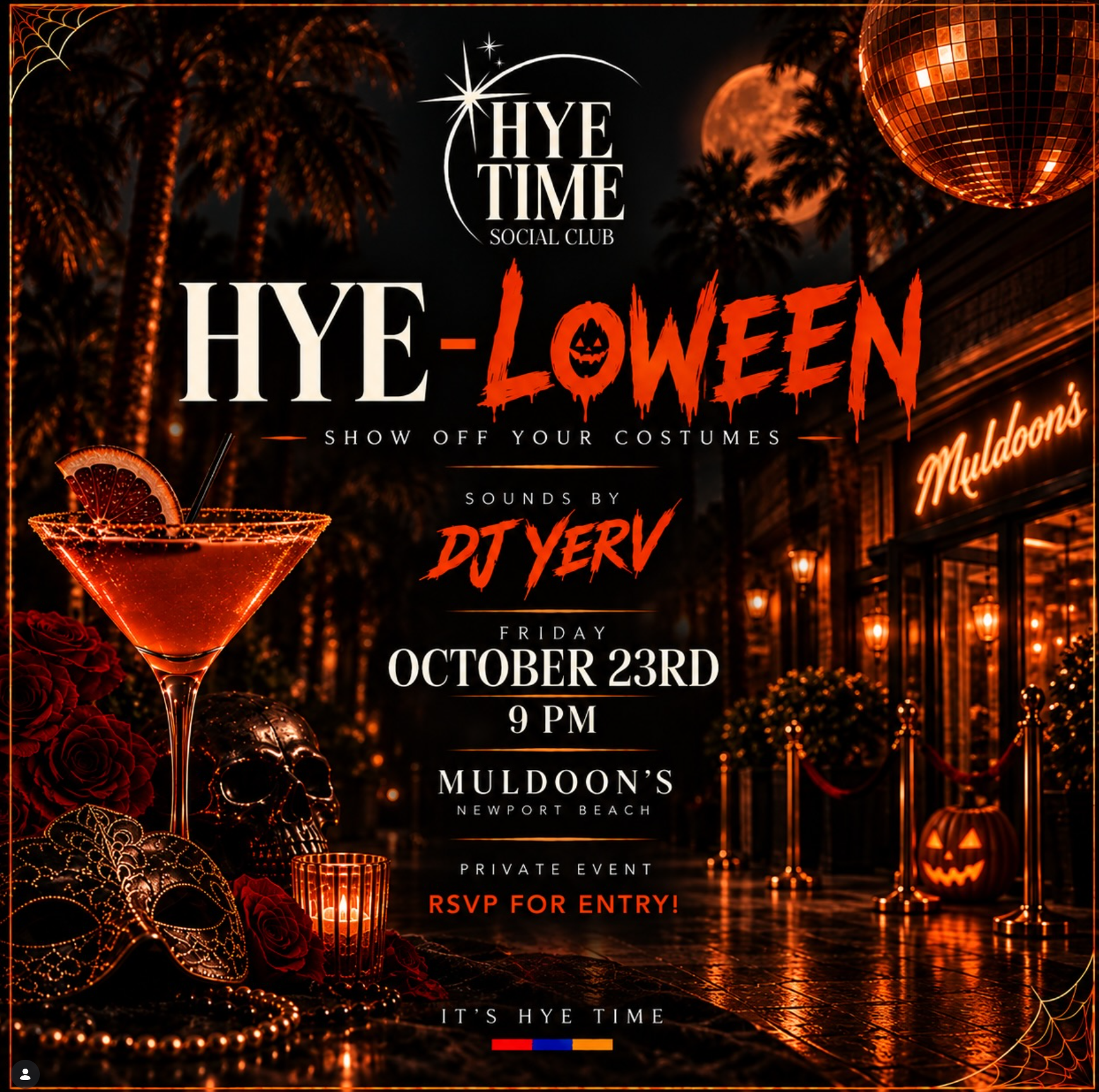
An event announcement should tell people what they will experience, not only who is presenting it.
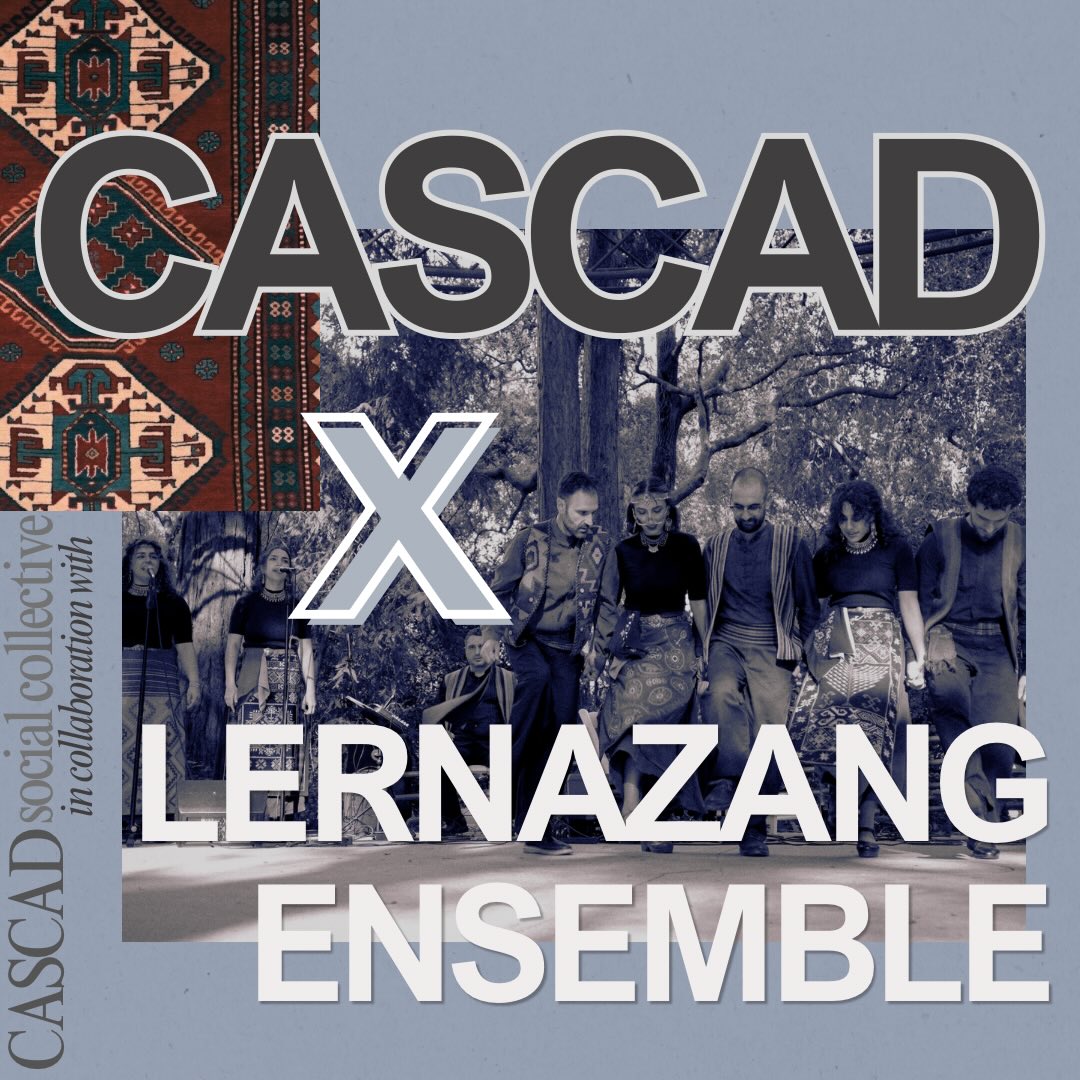
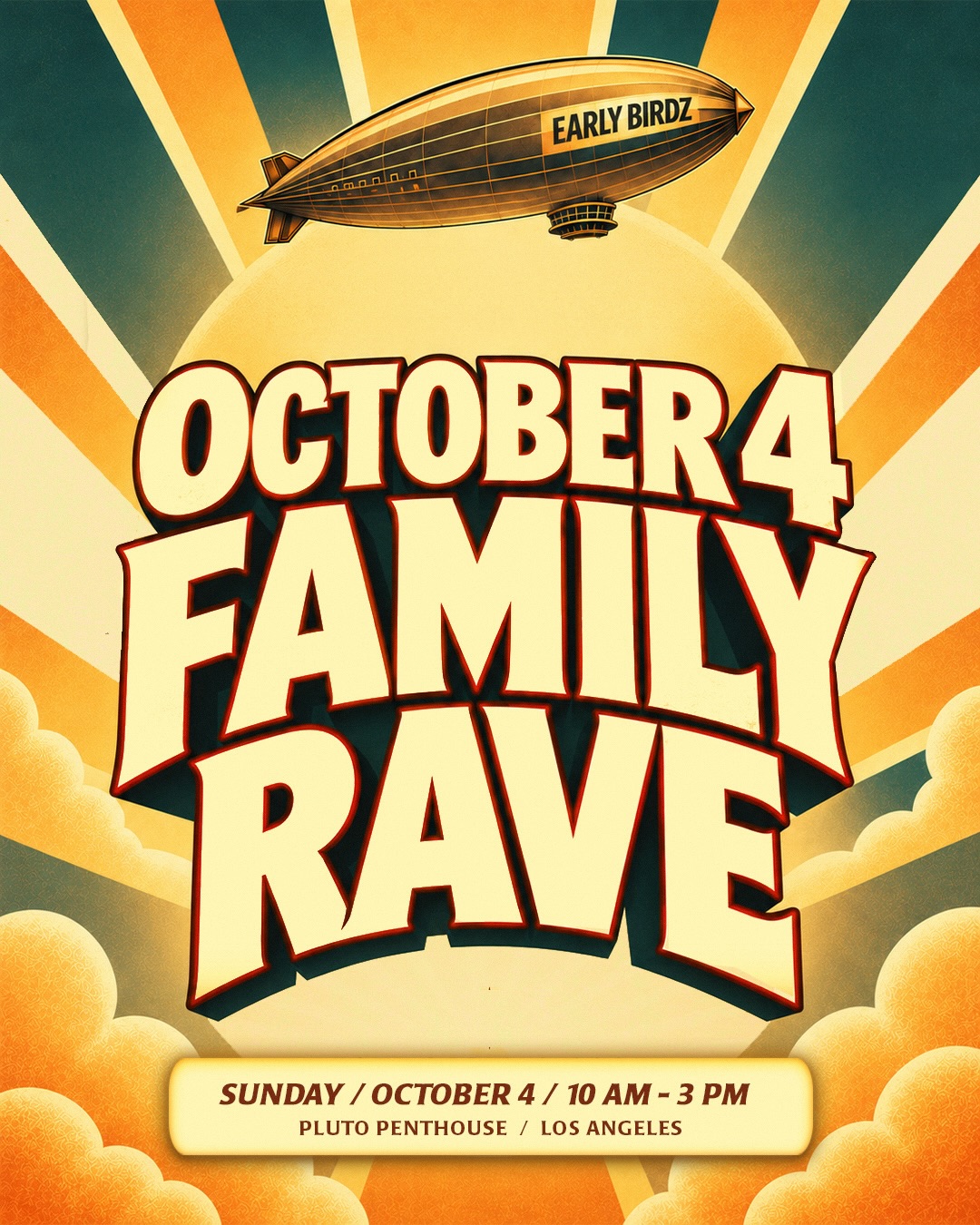
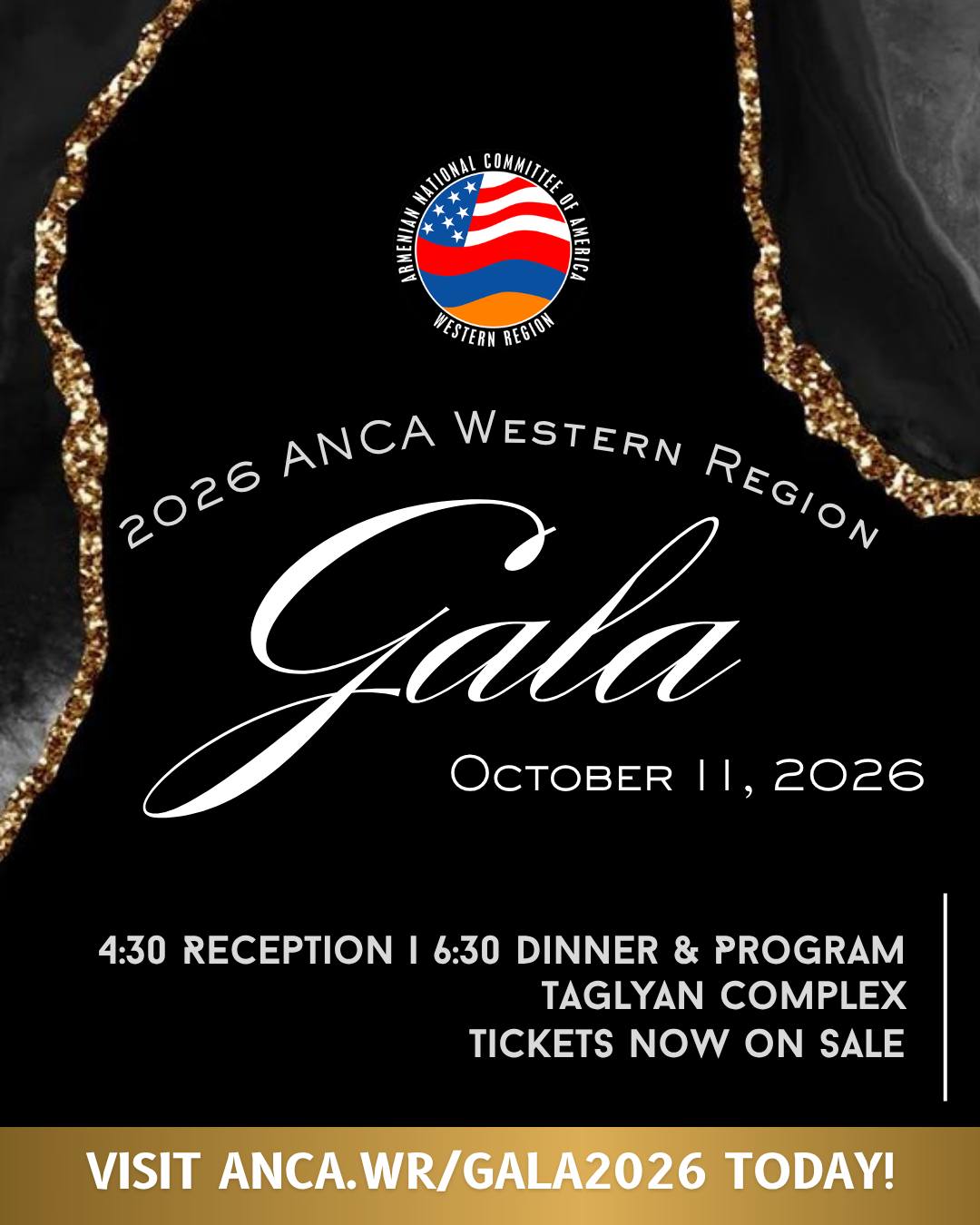
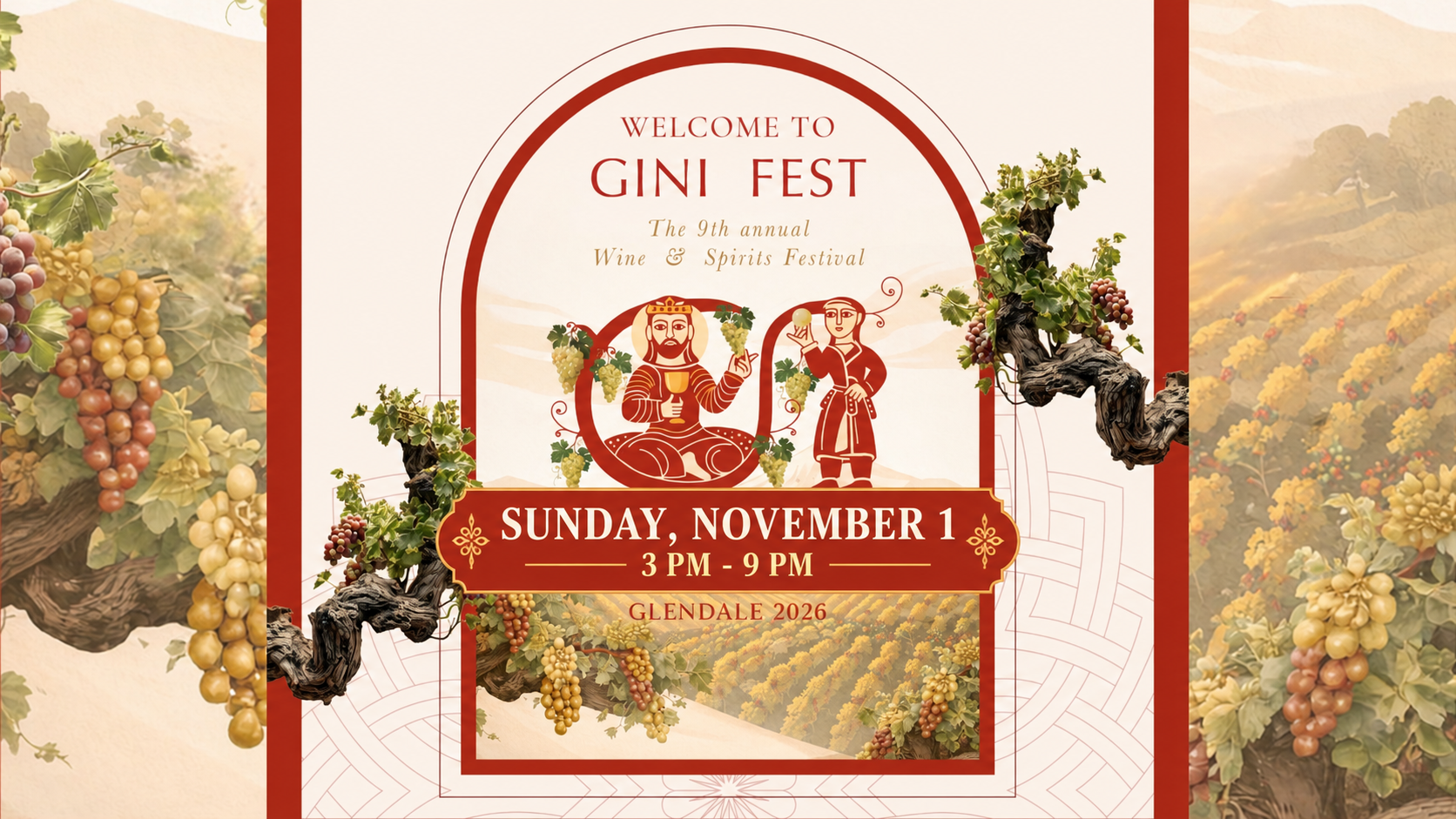
Name the performers. Explain the program. Show real moments from previous years. Clarify the cause and where the money goes. State the schedule, parking situation, dress code and whether younger guests, non-Armenian friends or families with children will feel comfortable.
Professional promotion is not superficial. It is hospitality before the door opens.
When people understand the event, they can make an honest decision. When everything is vague, only the already-committed will take the risk.
Welcome people who enter differently
Not every Armenian connects through the same institution, language, region, church or political tradition. Not every guest will know the dances, songs, references or people in the room.
An event can preserve cultural depth without assuming everyone arrived with the same education.
Offer context. Make introductions possible. Explain why a tradition matters. Invite non-Armenian friends without treating them as tourists. Create moments where younger and older guests can interact naturally instead of occupying separate tables and separate worlds.
Belonging grows when people can enter without pretending they already know everything.
Quality is also cultural stewardship
Bad sound weakens a great performance. A chaotic check-in frustrates the people who chose to support the cause. An event that begins an hour late tells guests their time is less important than the program.
These may look like production issues, but repeated often enough, they become cultural issues. People begin associating community events with experiences they attend from duty rather than desire.
Strong execution communicates respect: for the artist, the organization, the tradition and the audience.
Give people a reason to return
The goal should not be one full room. It should be a living audience.
People return when the event gives them something they cannot get from a post: discovery, emotion, participation and real connection. They return when they trust the organizer. They return when culture feels alive instead of displayed behind glass.
Yes, ask people to support the community. The community matters.
Then create an event worthy of that support.
Obligation may get someone through the door. A meaningful experience is what brings them back.
Explore upcoming Armenian and community events, or work with Melkoni Media to help a strong cultural event reach the audience it deserves.