
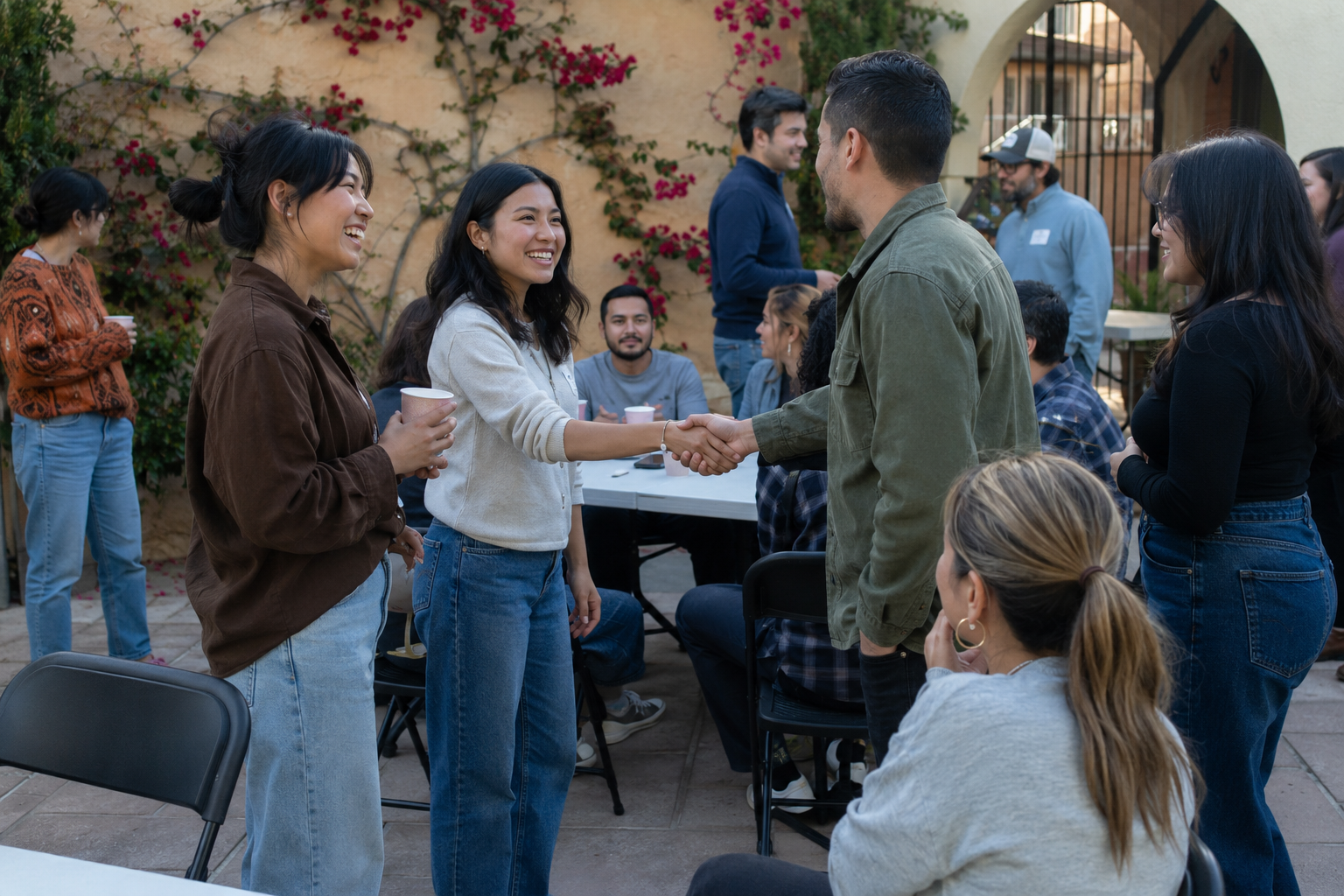
Los Angeles is a strange place to feel lonely. There are people everywhere, plans every night and enough events to keep a calendar busy until the next freeway expansion. Yet many adults will tell you the same thing: making actual friends here is difficult.
Not meeting people. Meeting people is easy. You can exchange names at a party, follow each other before the conversation ends and never speak again. Los Angeles produces acquaintances at industrial scale.
Friendship requires something the city does not naturally provide: repeated, low-pressure contact.
The city is built for movement, not lingering
LA is spread out, scheduled and heavily dependent on driving. A person can be only twelve miles away and somehow live in a different time zone. Add work, family, traffic and the psychological burden of finding parking, and spontaneous social life becomes a military operation.
That is why “we should hang out” so often goes nowhere. The intention may be real, but the plan has no structure. There is no shared place, no recurring time and no reason for the second meeting to happen.
Friendship rarely appears fully formed after one great conversation. It grows through familiarity: seeing the same person again, learning the rhythm of their humor and slowly becoming part of each other’s normal life.
Stop searching for one magical night
People often approach social events as auditions. They attend one mixer, do not meet a future best friend and decide the entire concept failed.
That is too much pressure for one evening and too much pressure for the people in the room. A better question is not, “Did I make a friend tonight?” It is, “Would I come back here?”
Recurring events are especially valuable because the second appearance changes everything. You are no longer entering a room of strangers. You recognize a face. Someone recognizes yours. A short conversation from last month has somewhere to continue.
This is how community forms: not through instant chemistry, but through enough repetition for trust to stop feeling like work.
Activity beats forced networking
An event is easier socially when people have something to do besides sell themselves to one another.
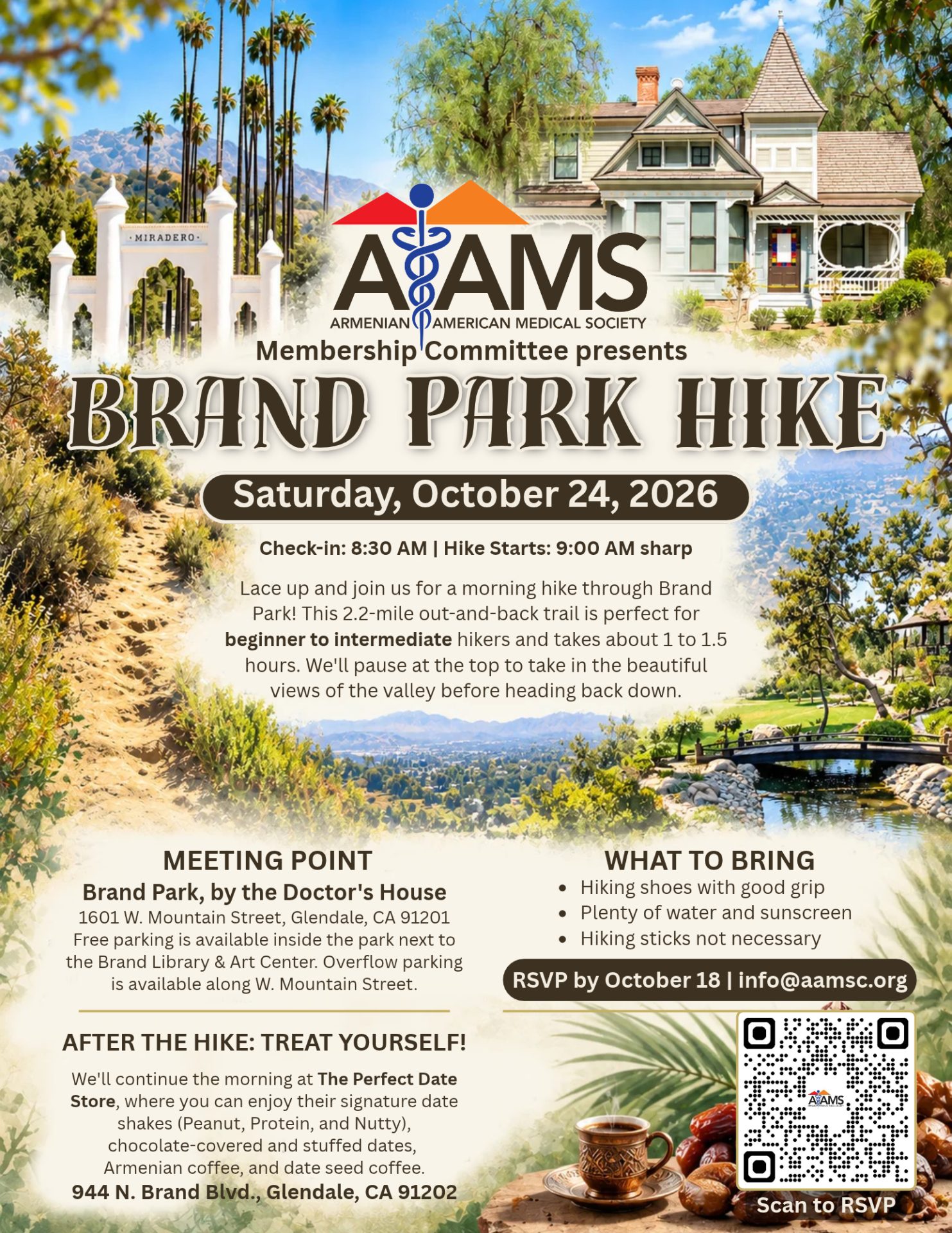
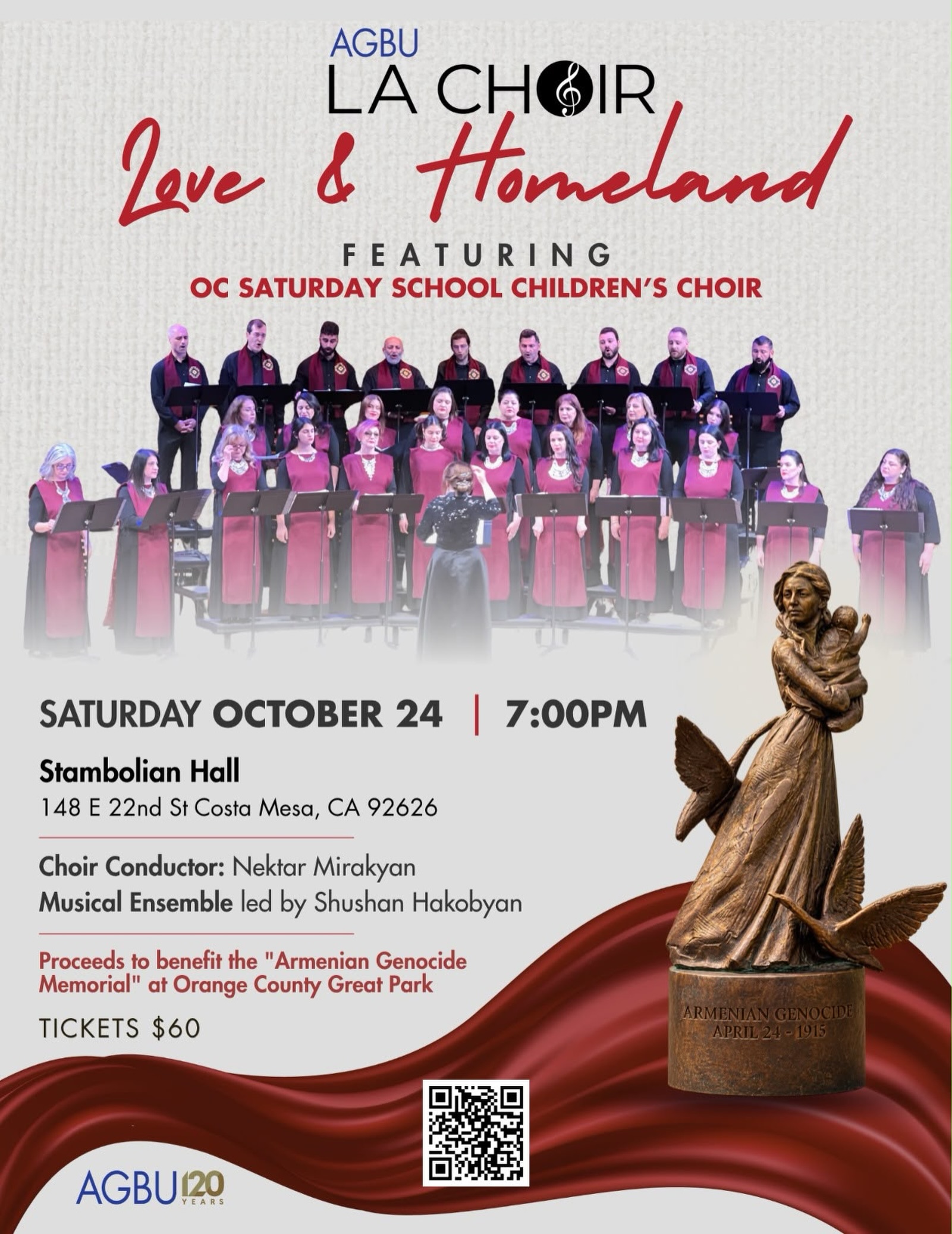
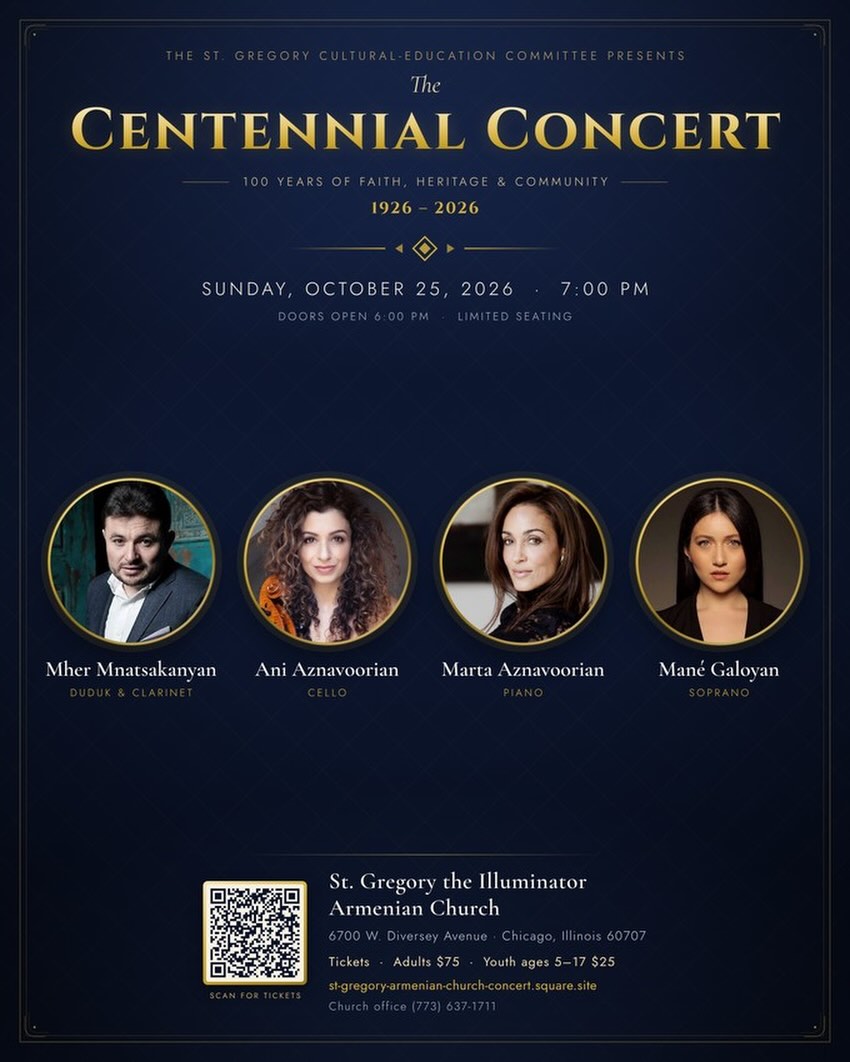
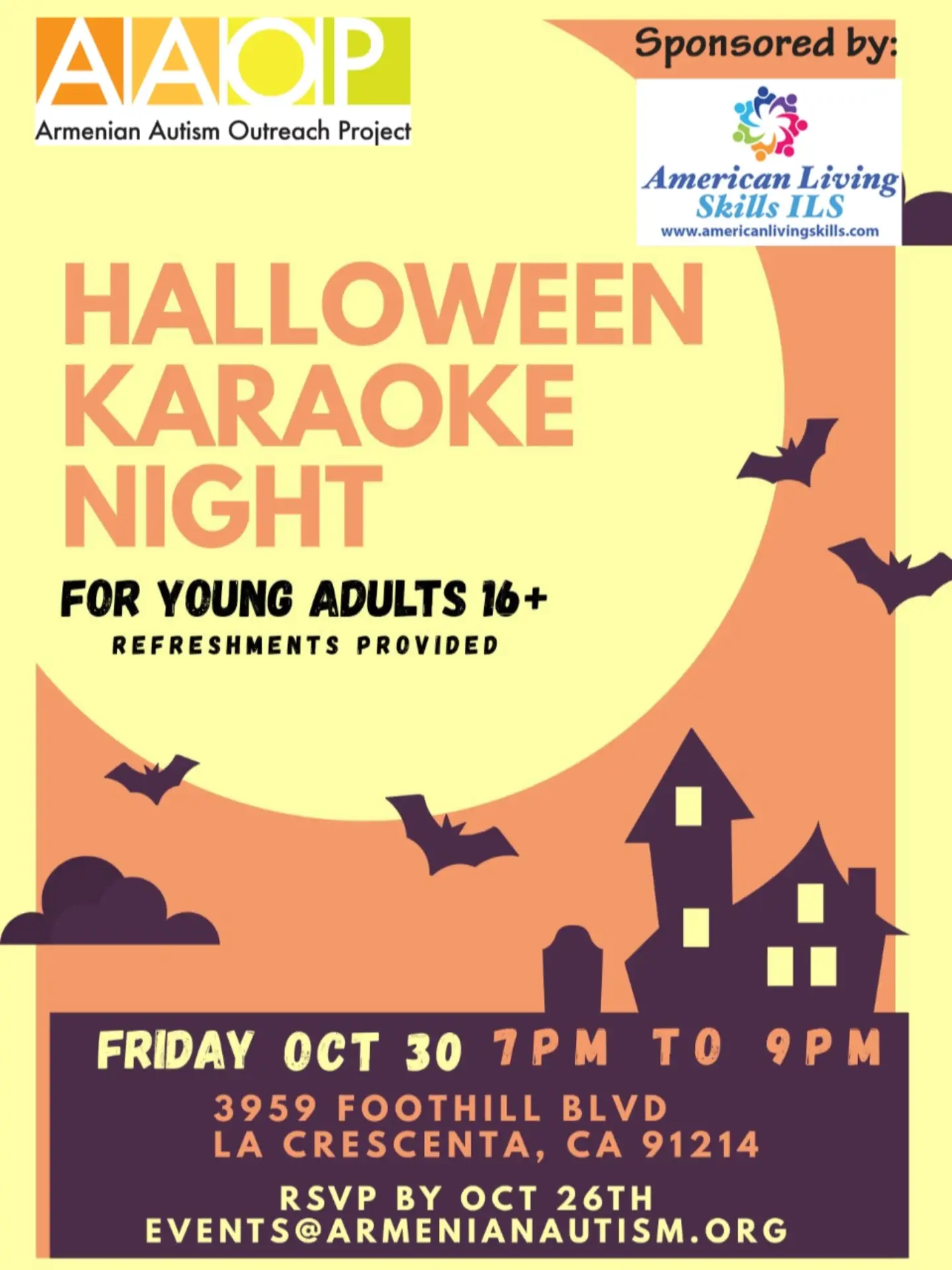
Workshops, volunteer days, book discussions, cultural performances, neighborhood walks, tastings and small art events all provide built-in conversation. You can talk about what is happening instead of launching directly into a biography.
Even better, the activity reveals something about the people there. You learn who is curious, who is generous, who asks good questions and who takes recreational pickleball like a blood feud.
That information is far more useful than another stack of social handles.
Smaller rooms often work better
Large events look socially abundant, but they can make people anonymous. Small and mid-sized gatherings create natural collisions. You see the same person at the food table, during the program and again near the exit. Each encounter lowers the barrier to the next.
The scale also matters emotionally. It is easier to introduce yourself when the environment feels like a gathering instead of a marketplace.
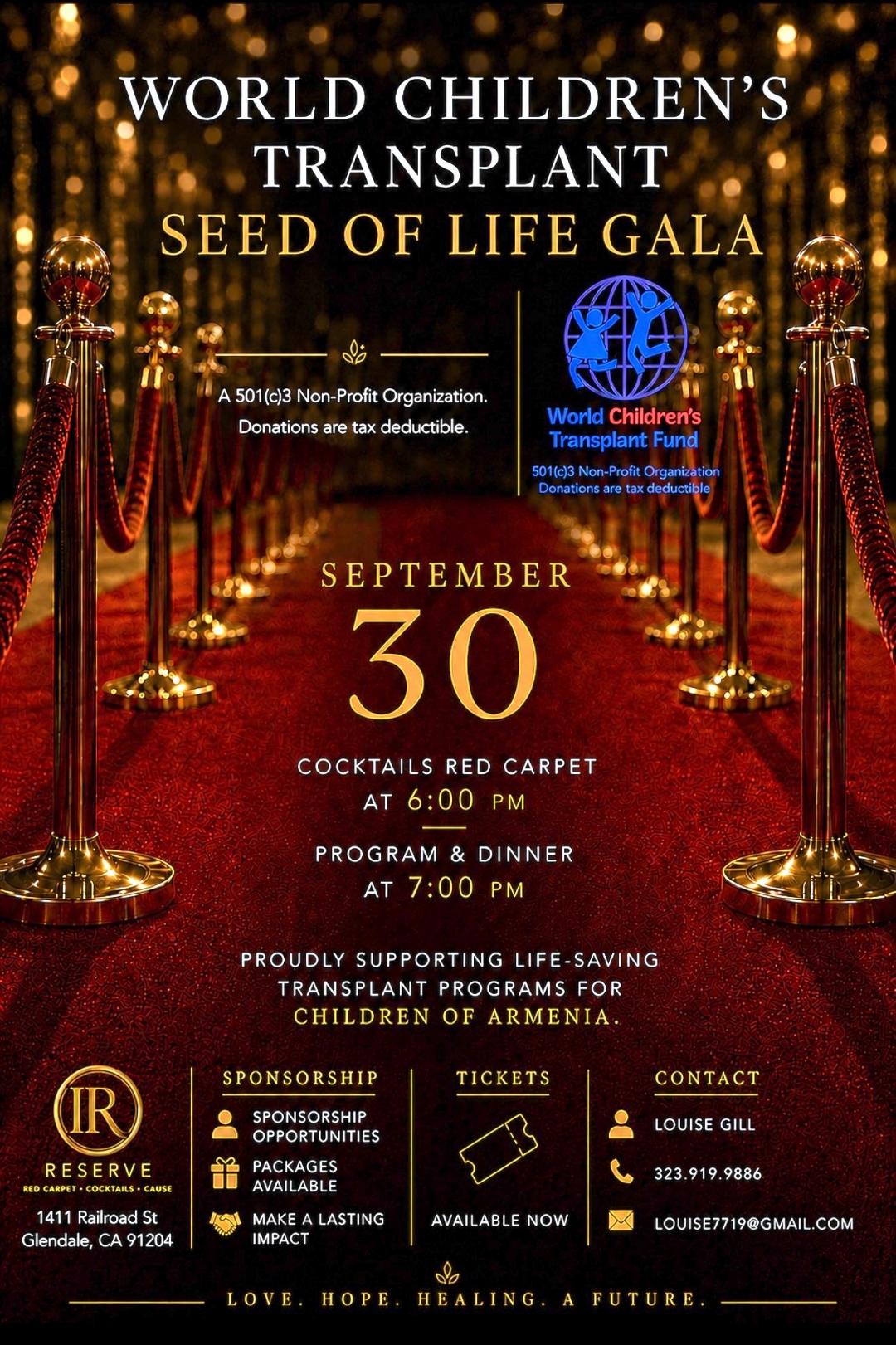
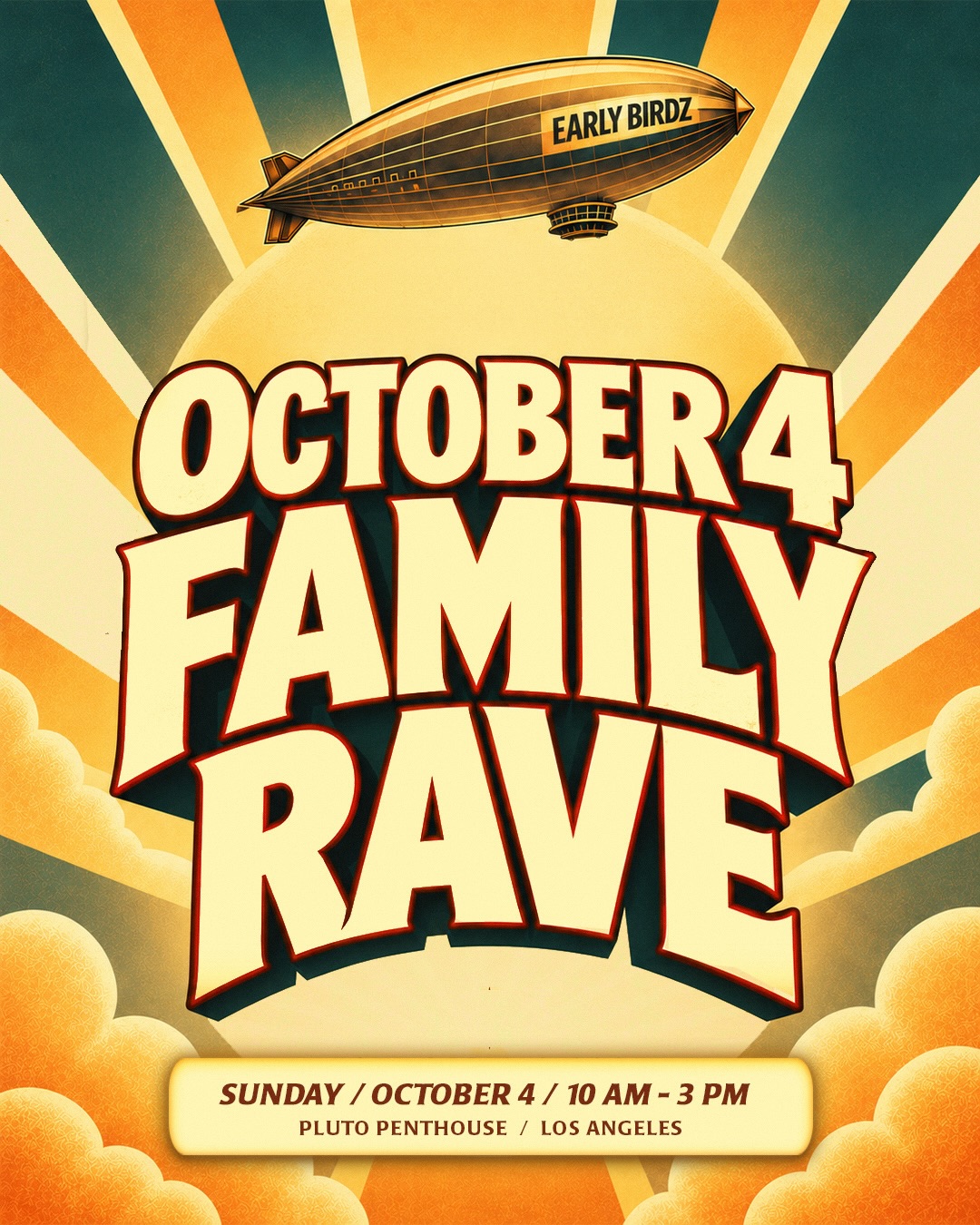
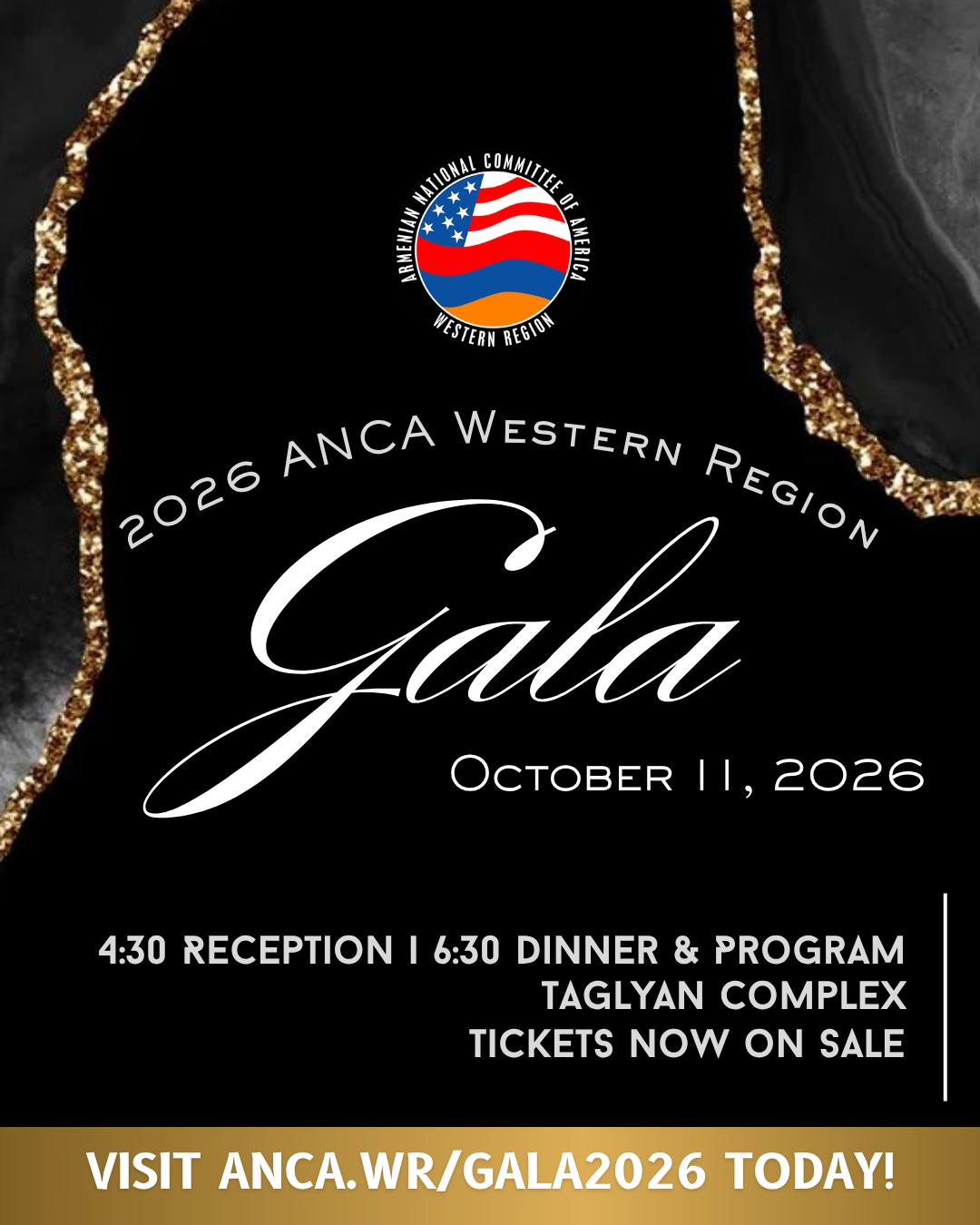
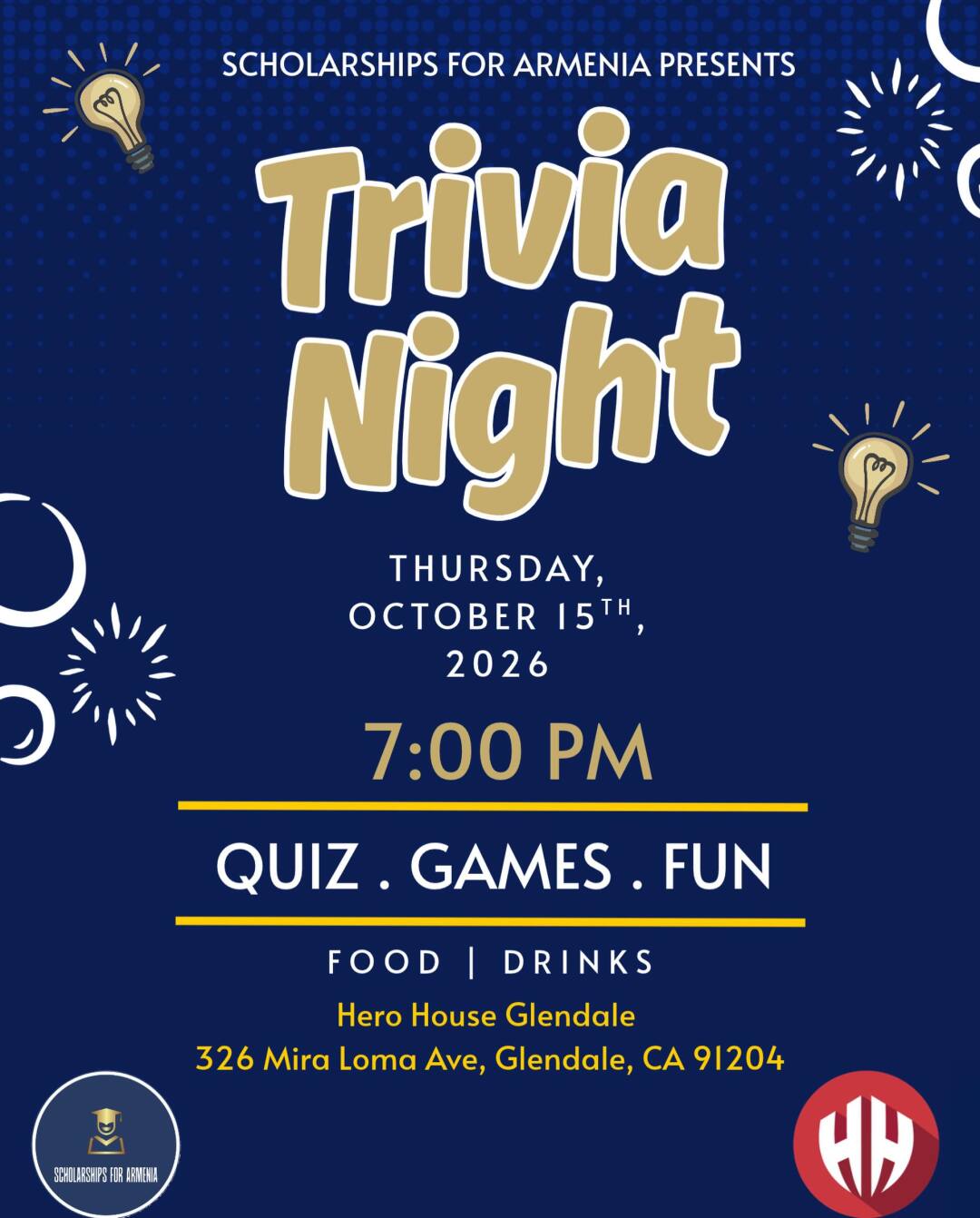
Current event research has been pointing toward this appetite for local, community-centered experiences. That makes sense. People are not simply looking for more entertainment. They are looking for places where showing up can eventually mean belonging.
A practical rule: return three times
If an event, group or venue attracts people you might genuinely like, give it three visits before judging it.
The first visit is orientation. The second creates recognition. By the third, you begin to look like part of the room.
You should also make one small move each time. Ask a real question. Remember someone’s name. Follow up on something they mentioned. Suggest coffee only after there is enough shared context that it does not feel like two strangers scheduling a job interview.
Friendship does not need aggressive networking. It needs continuity.
Los Angeles is not unfriendly. It is fragmented.
The city contains thousands of communities, but they do not automatically find you. The algorithm may show you the biggest event, the prettiest restaurant or the person with the best video. It cannot guarantee that any of those places will let you become known.
That part still requires showing up, paying attention and returning.
So yes, go to the event. But do not treat every room as a one-night test of whether Los Angeles has your people. Find places with the right energy, then give familiarity time to do its job.
The city has plenty to do. The real opportunity is finding somewhere worth doing again.
The easiest place to start is with community-centered experiences already happening around Los Angeles.