Speaking to one person can feel natural. Speaking to two hundred can make the same person adopt a mysterious “public speaking voice” they have never used anywhere else.
The pace becomes formal. The sentences become longer. The warmth disappears under the pressure to sound important.
A crowd is not one giant person who requires a grander version of you. It is a room full of individuals, each deciding whether they understand you, trust you and want to keep listening.
Prepare for the room, not an imaginary audience
Audience awareness is more useful than audience fear.
What do these people already know? Why are they here? What words will require context? What might they be worried you are going to waste their time saying?
Answering those questions changes the talk. A community audience may need a clear connection to shared priorities. A business audience may want the practical result early. A mixed-age cultural audience may need references explained without being talked down to.
Adapting to a room is not pandering. It is the basic courtesy of speaking to the people who actually arrived.
Find people, not sections
“Look at the audience” is vague advice. Instead, complete a thought with one person, then move naturally to another area of the room.
Do not stare long enough to make anyone wonder if they owe you money. The goal is to let your eyes land, not sweep the room like a security camera.
This changes your voice. When you are speaking to someone, your phrasing becomes more human. The rest of the room feels included because they can see a real exchange happening.
Structure creates freedom
People often over-script because they are afraid of getting lost. A simpler structure can provide the same security without making the delivery sound read.
Know your opening, your three main turns and your final idea. Give each section a clear purpose. If you lose a sentence, you still know where you are going.
The audience does not know the version in your notes. They only know the version you give them. A changed word is not a mistake unless you stop and announce it.
Use examples that can be pictured
Abstract language asks the audience to do extra work. Concrete examples give everyone something to hold.
Instead of saying communication should be “more accessible,” describe the guest who arrives at an event and cannot tell where to park, what to wear or whether the program will be translated. Instead of asking a community to “increase engagement,” describe the one small action you want people to take this week.
A picture in the mind travels farther than a cloud of professional vocabulary.
Leave room for response
A speech is still a relationship, even when only one person has the microphone.
Notice when a room laughs, shifts or becomes unusually still. Let the reaction finish. If an idea needs a breath, do not bury it under the next paragraph. The pause that feels long onstage is often barely noticeable in the seats.
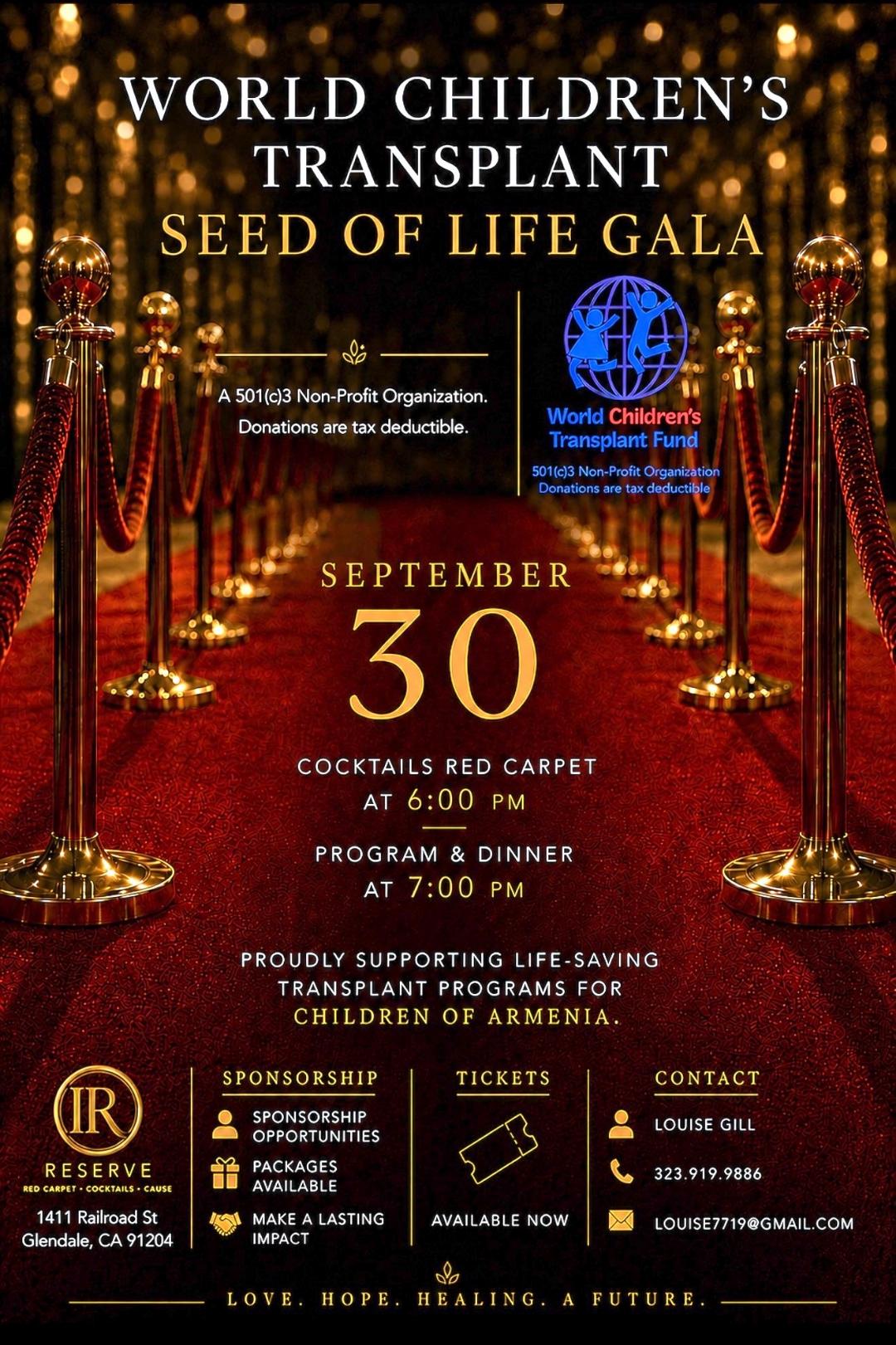
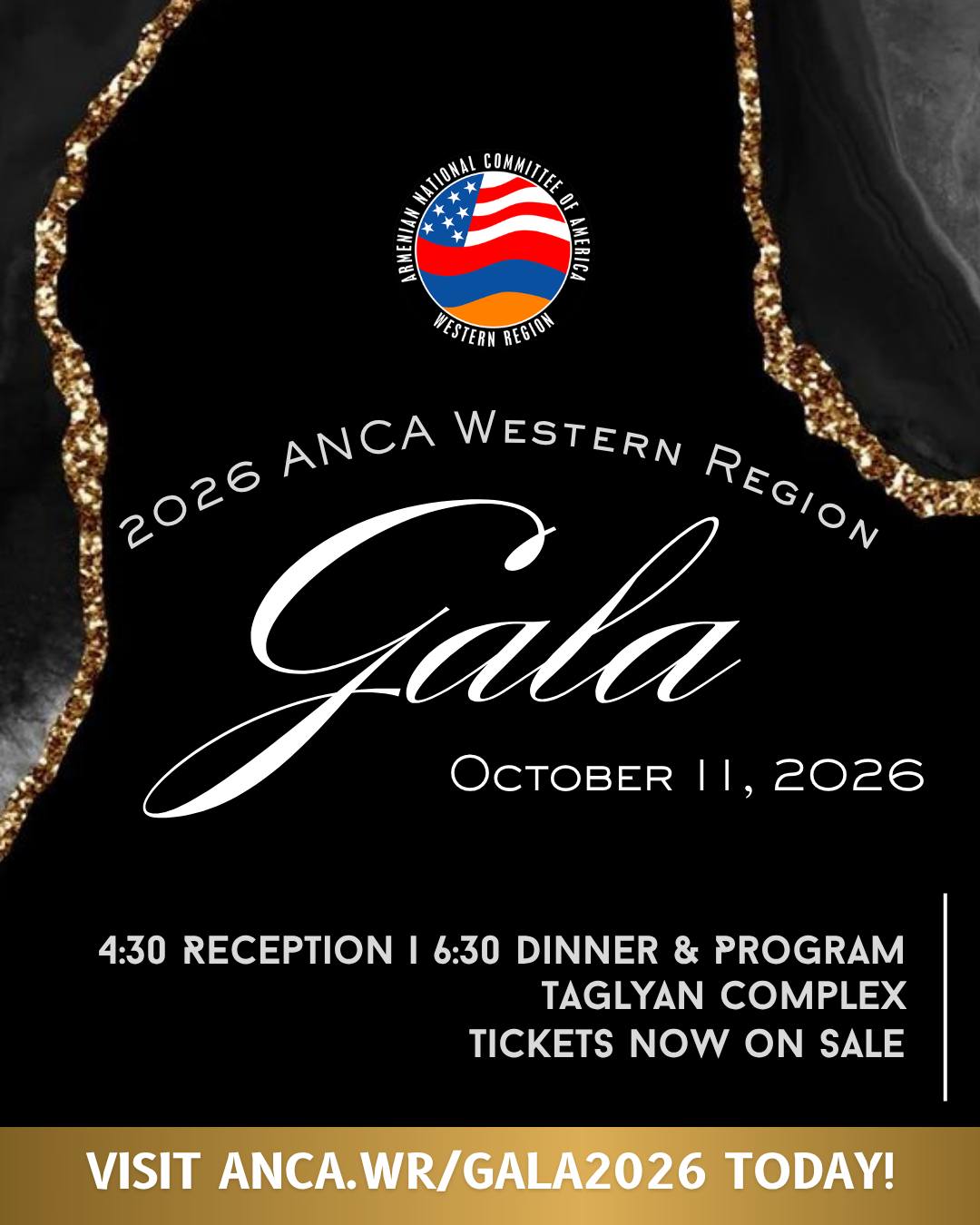
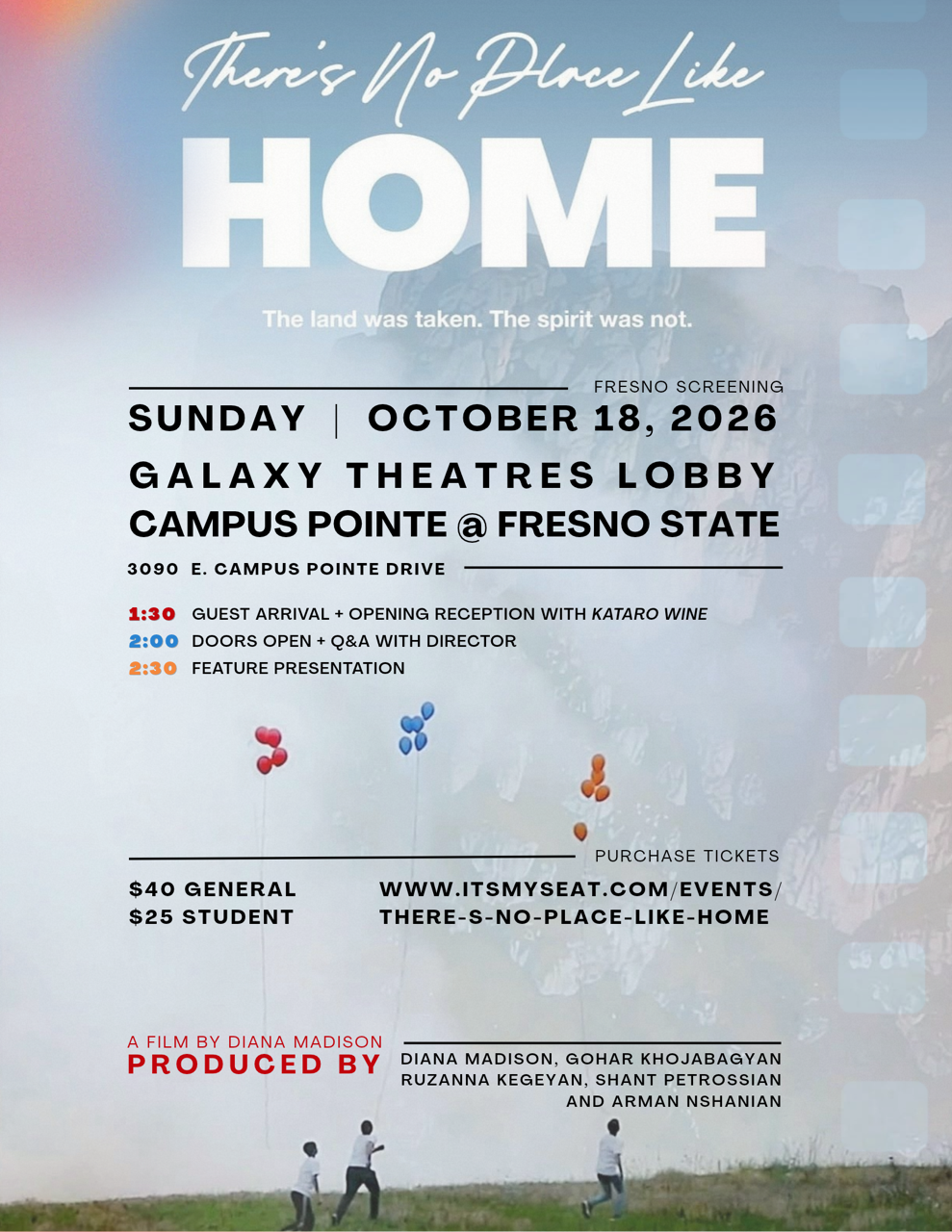
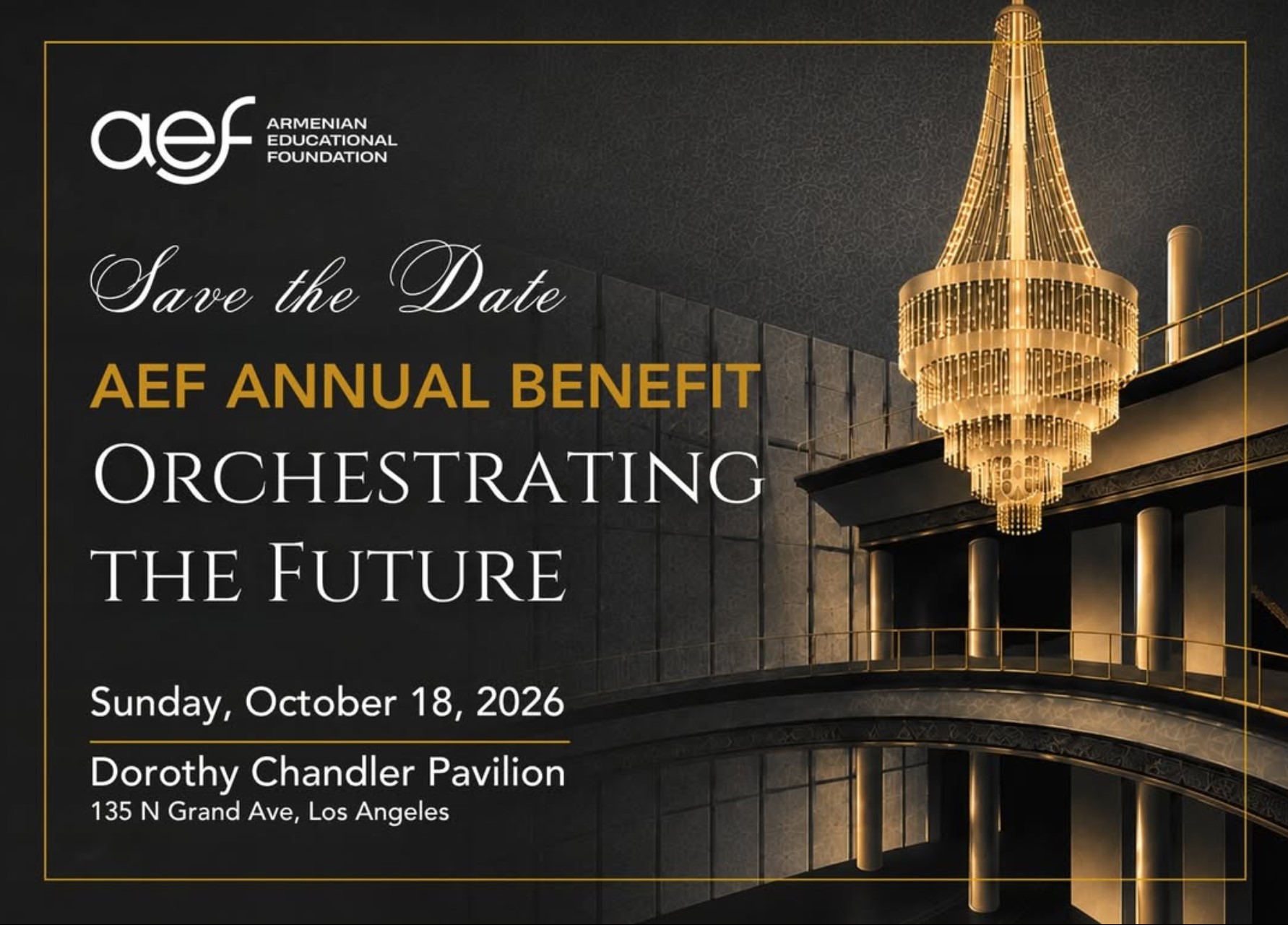
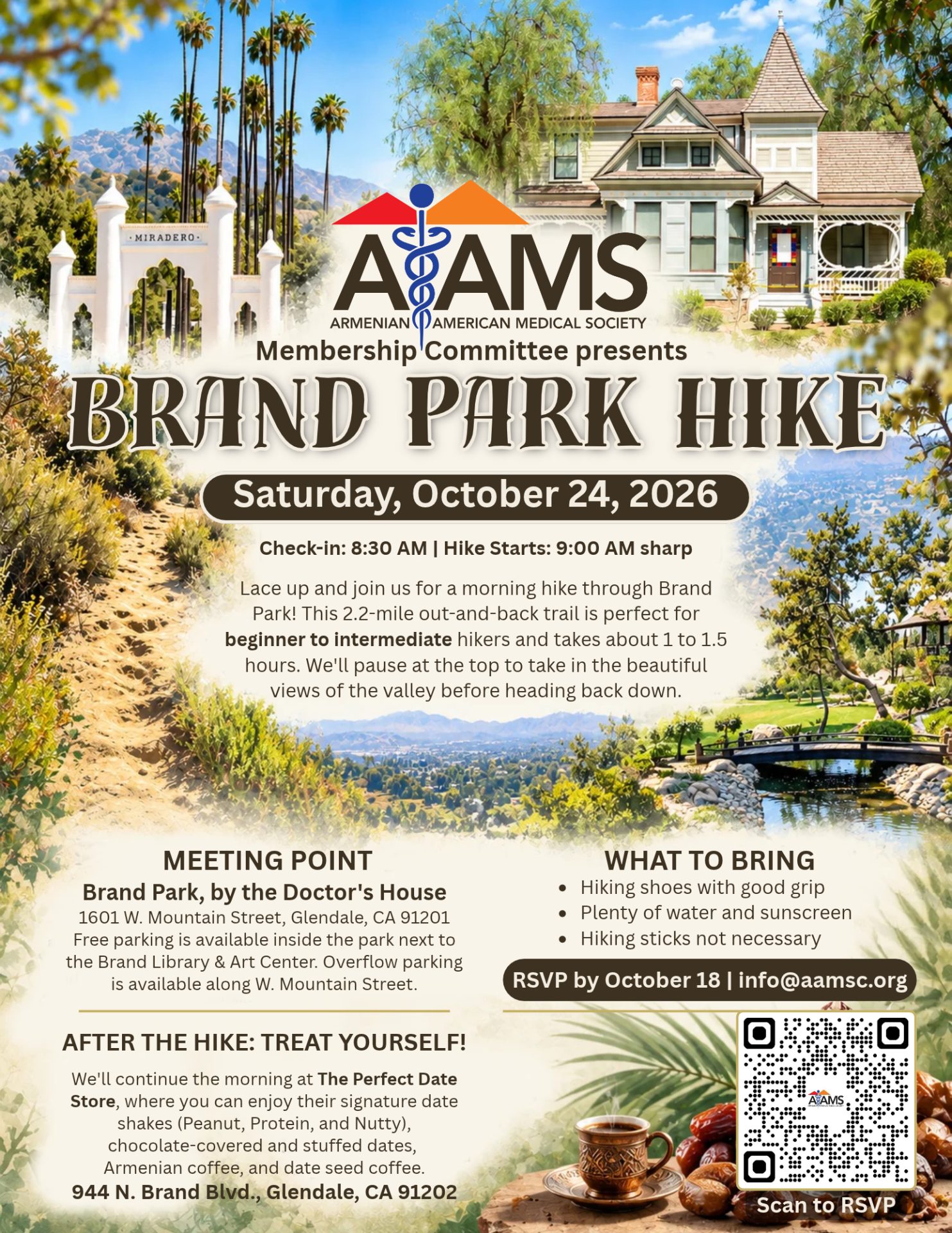
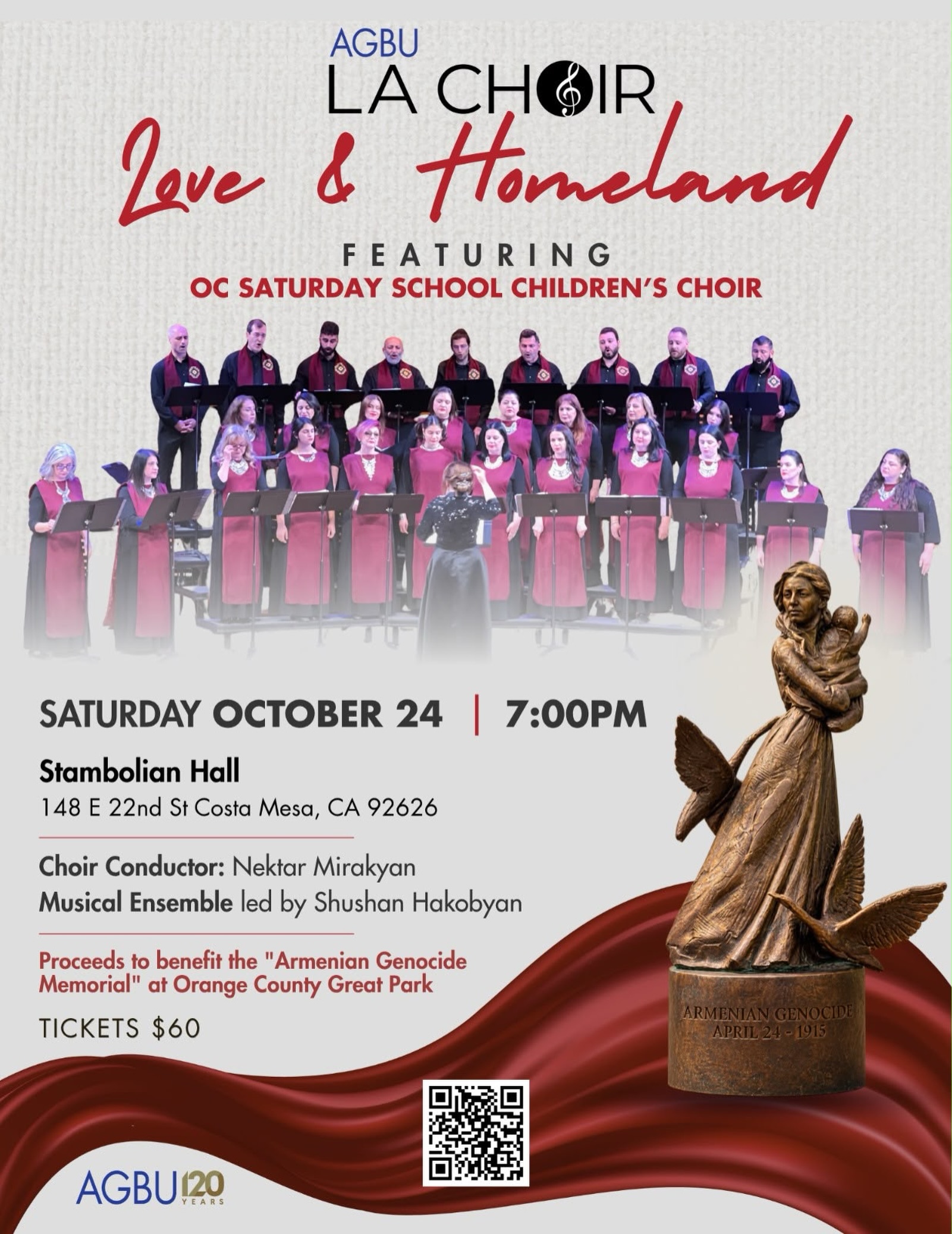
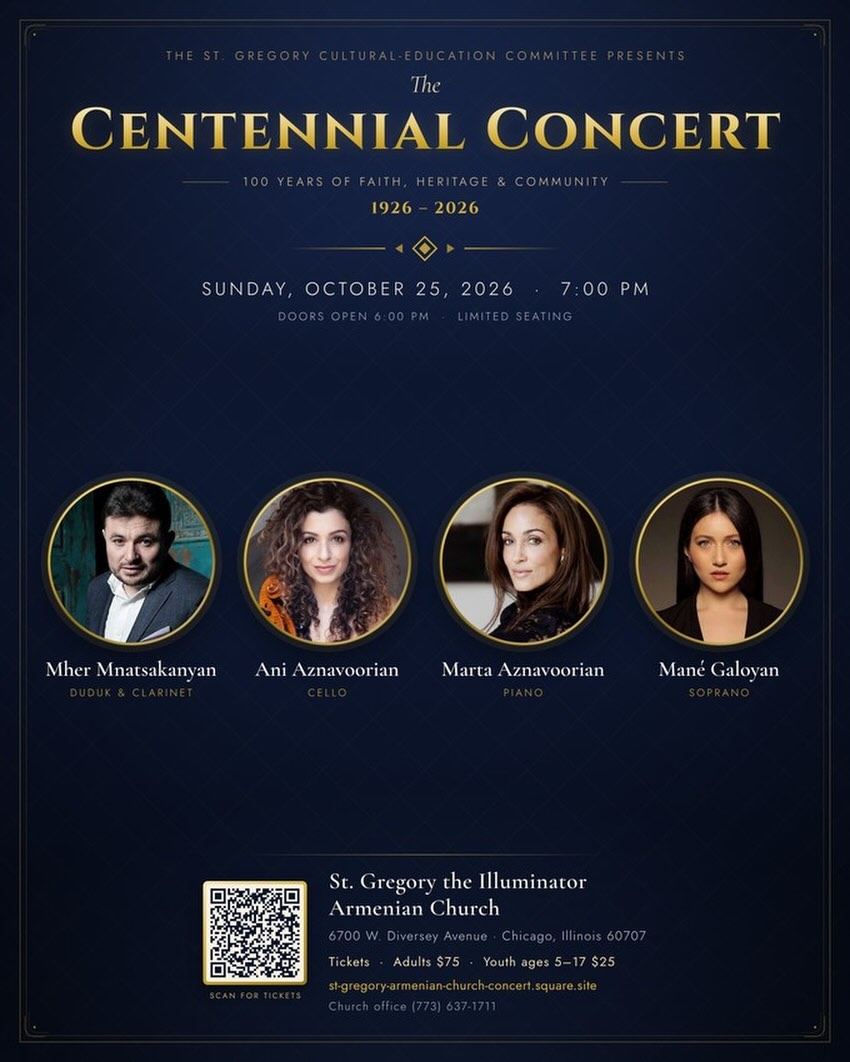
You can observe different rooms and communication styles through Los Angeles and Armenian community programs on the Melkoni Media events calendar.
Do not try to become larger than life. Become clear enough, present enough and generous enough that the people in the room feel you are speaking with them—not at a human-shaped wall.