Your feed does not know what you like as well as you think it does.
It knows what makes you pause. It knows what you send to friends, what irritates you enough to read the comments and what you watch twice because you cannot believe someone approved it.
That is useful information for keeping you on the platform. It is not the same as building you an interesting life.
Popularity creates more popularity
Social platforms tend to reward content that already has momentum. A crowded restaurant generates videos, which generate attention, which creates a bigger crowd and more videos.
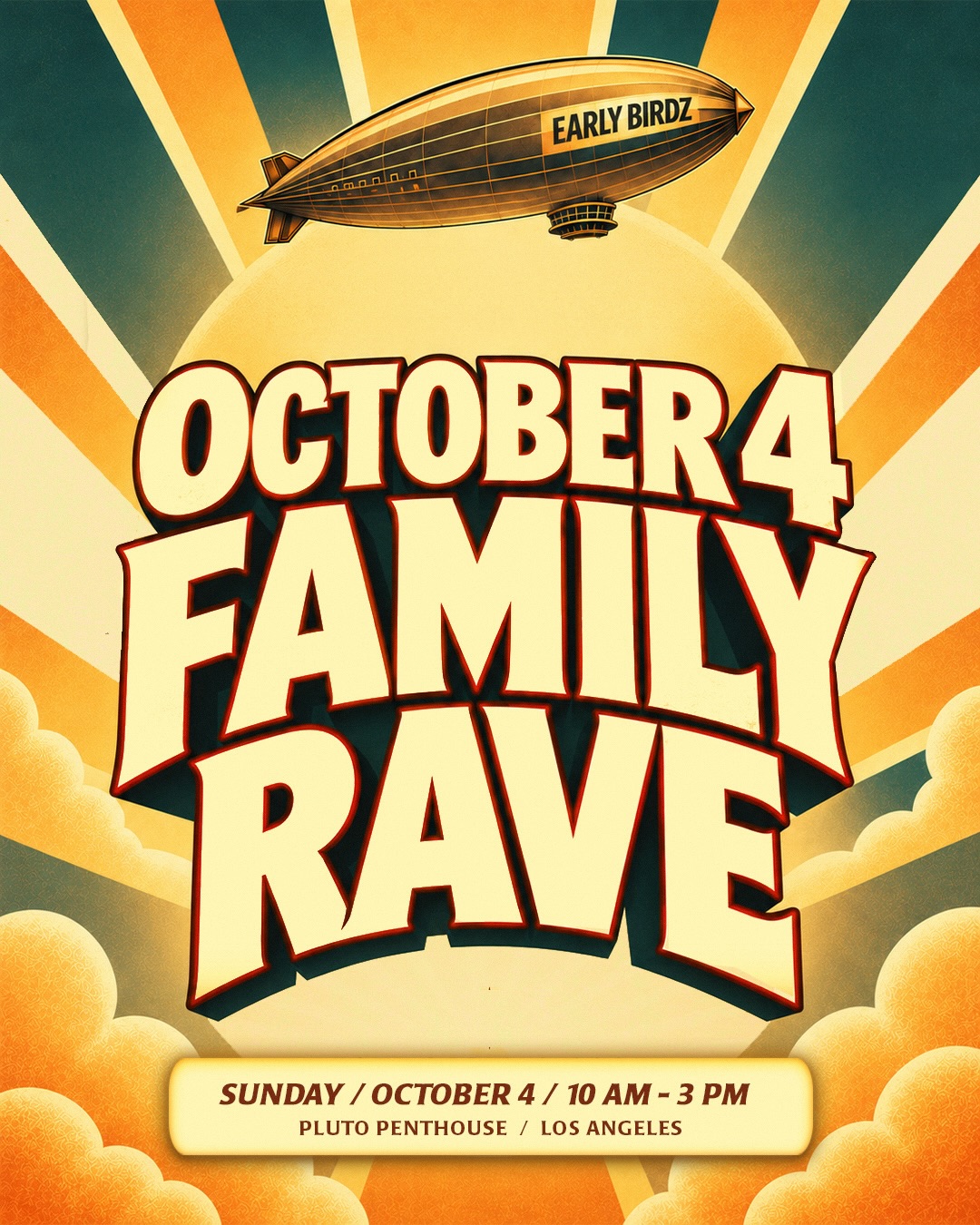
The loop makes certain places feel culturally unavoidable. You see the same pop-up, immersive installation, rooftop and food item until attending begins to feel like completing an assignment.
Meanwhile, a small performance, lecture or neighborhood art event may have exactly the audience you want and almost no content strategy. It is not necessarily worse. It is simply less optimized for discovery.
Your feed narrows while pretending to expand
Recommendation systems become more confident as you use them. That convenience comes with a cost.
Watch three restaurant videos and your city becomes restaurants. Engage with wedding content and apparently the entire population is getting married in the same three venues. Pause on one Armenian comedy clip and the platform may decide that is the only dimension of Armenian culture you require.
The feed offers abundance inside an increasingly narrow corridor.
Real curiosity is less efficient. It requires looking somewhere the system did not place directly in front of you.
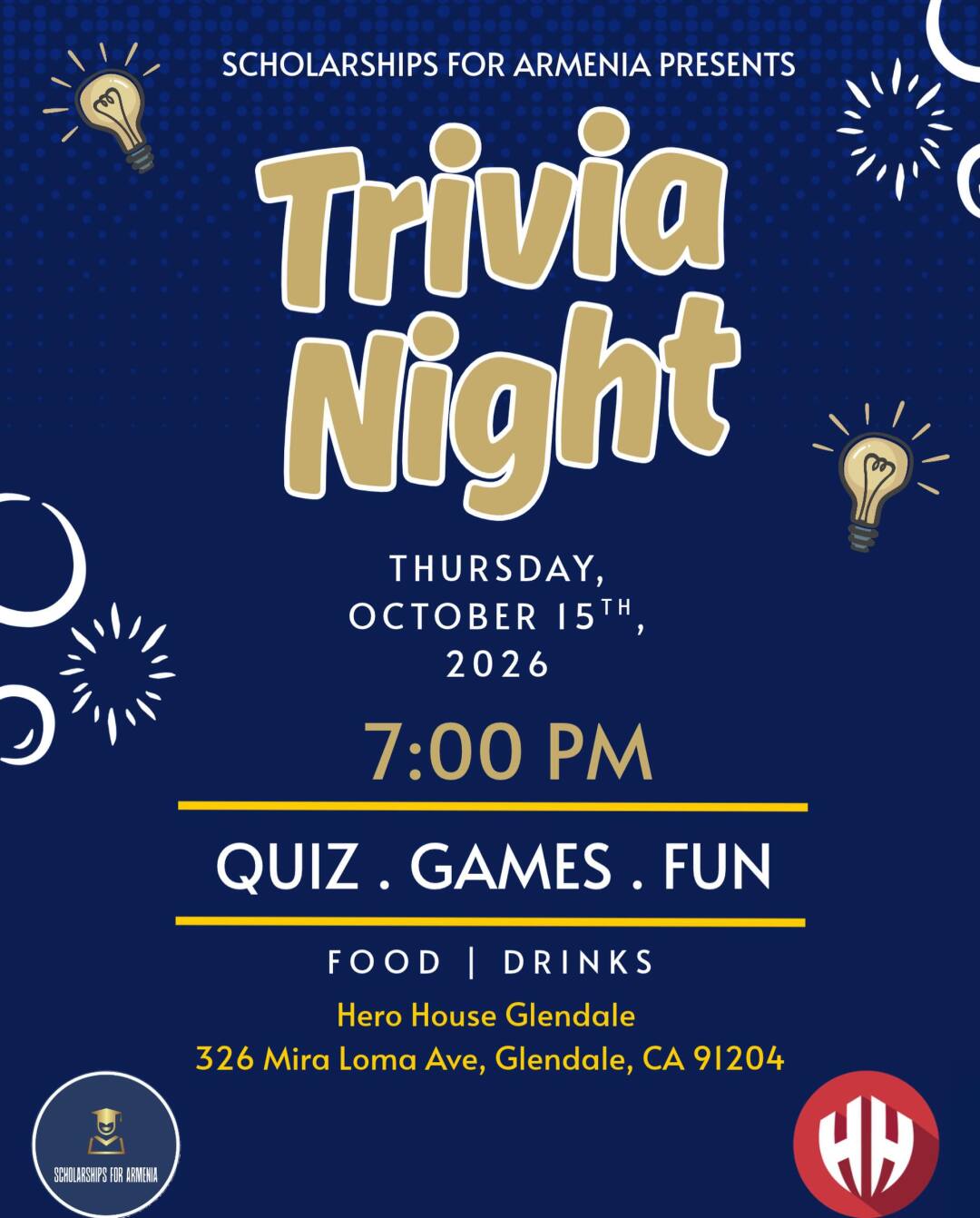
The best local events may be bad at content
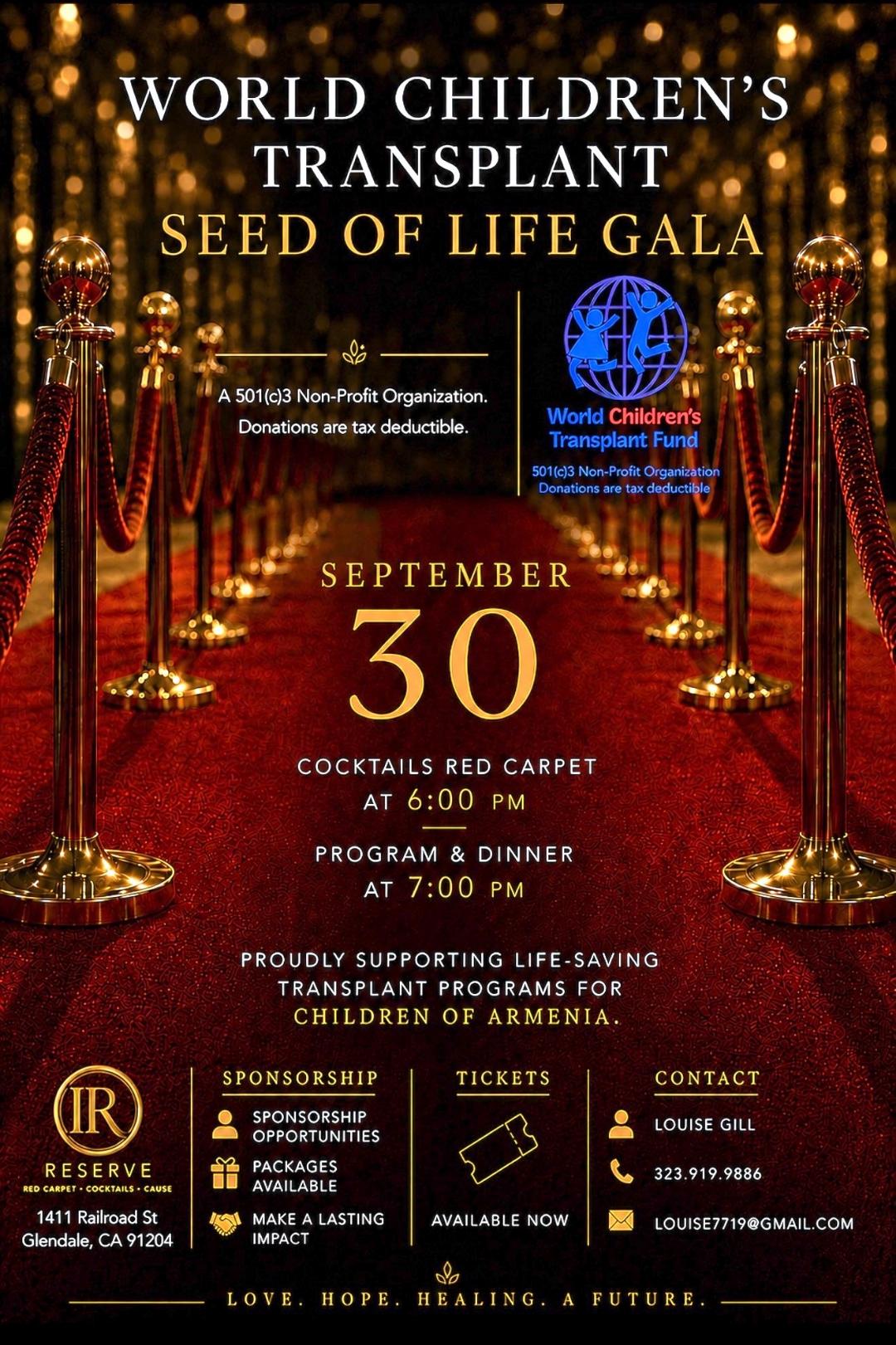
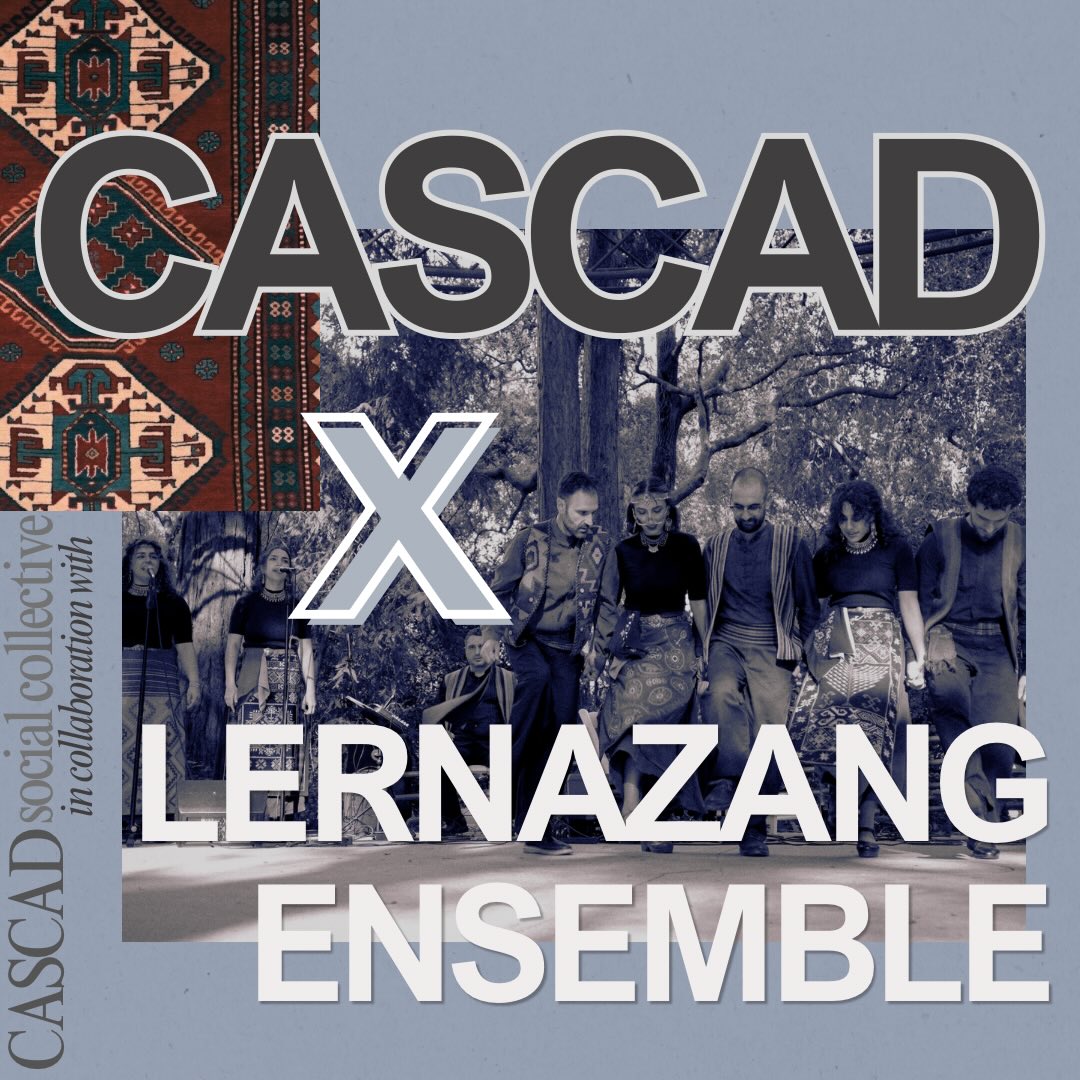
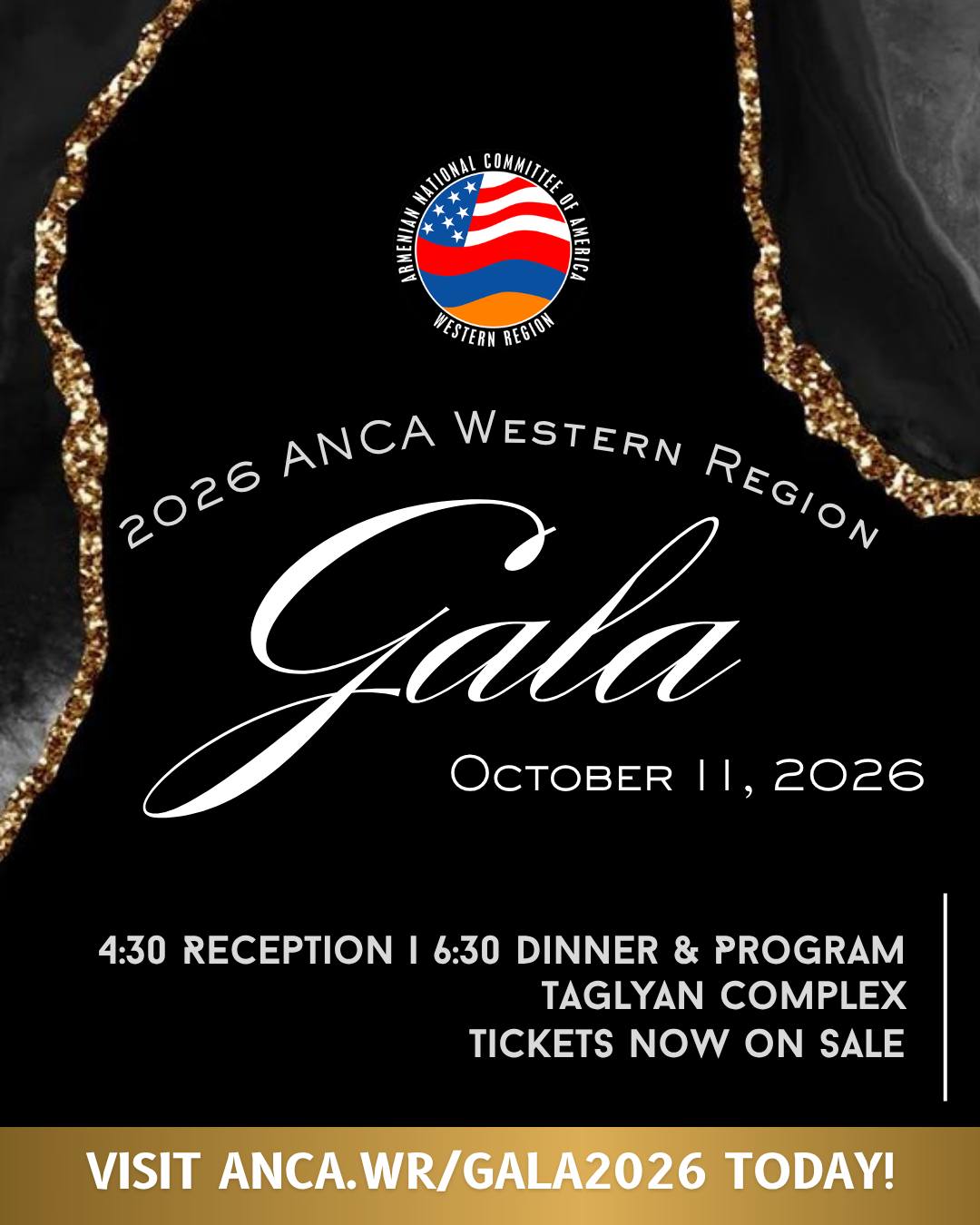
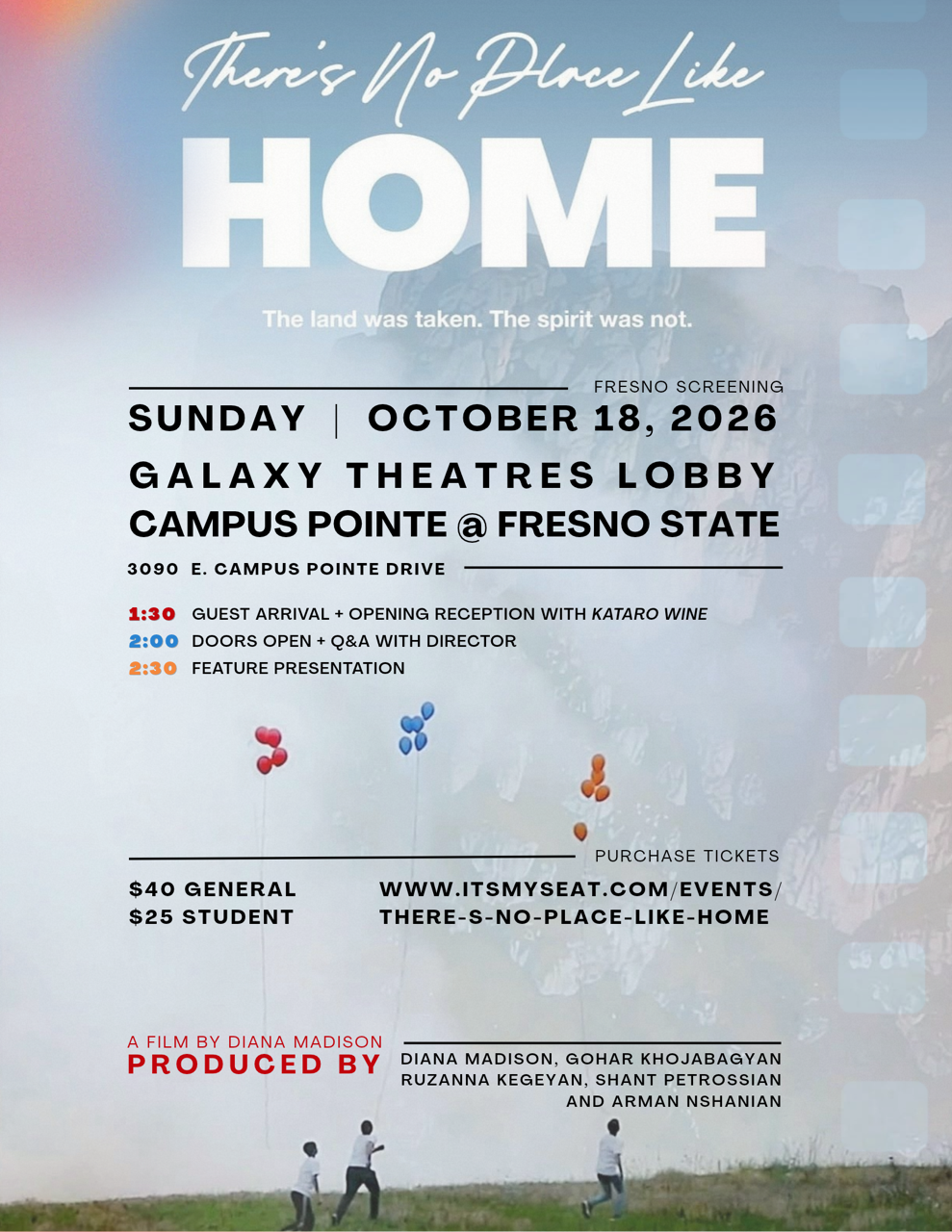
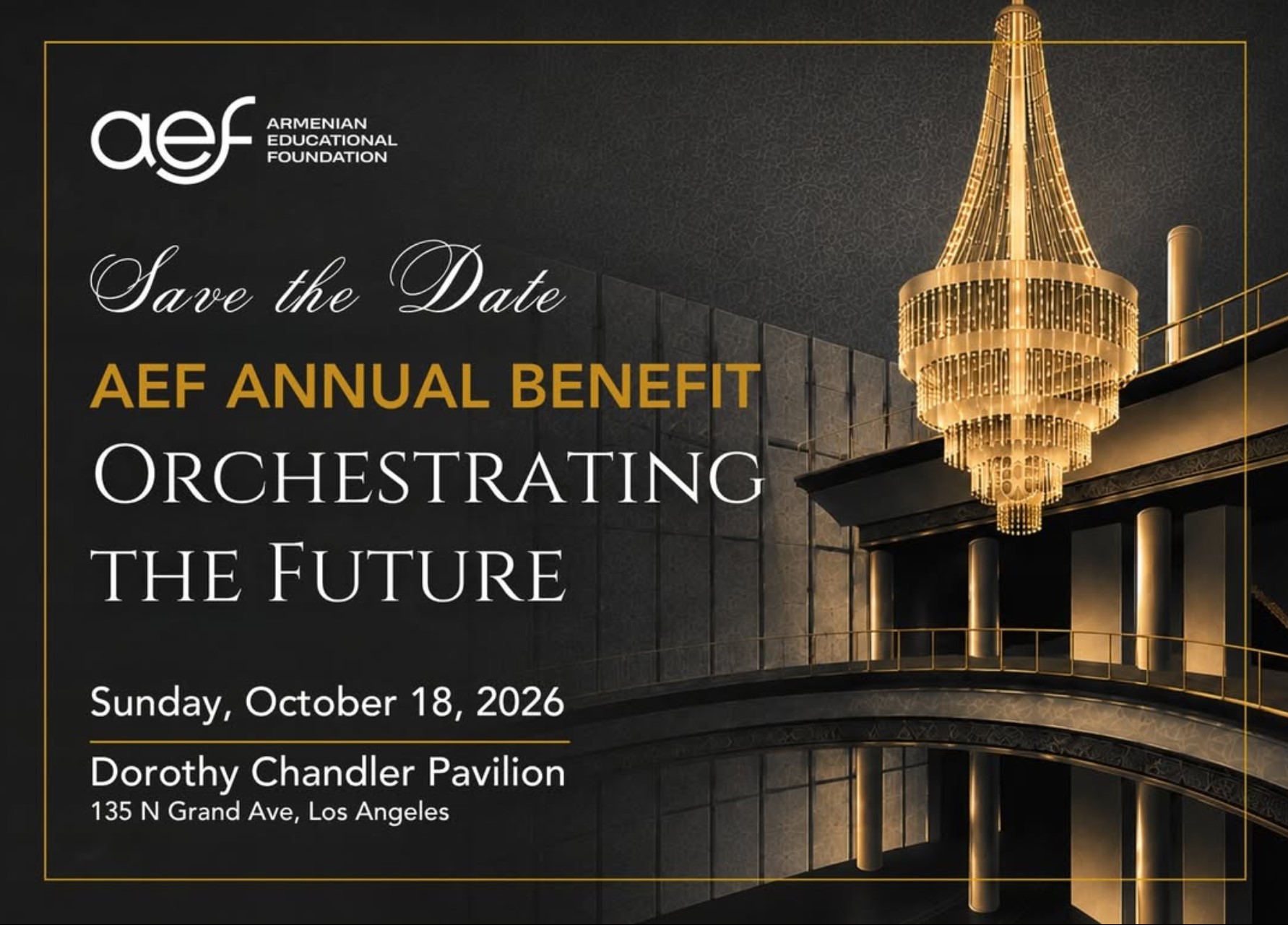
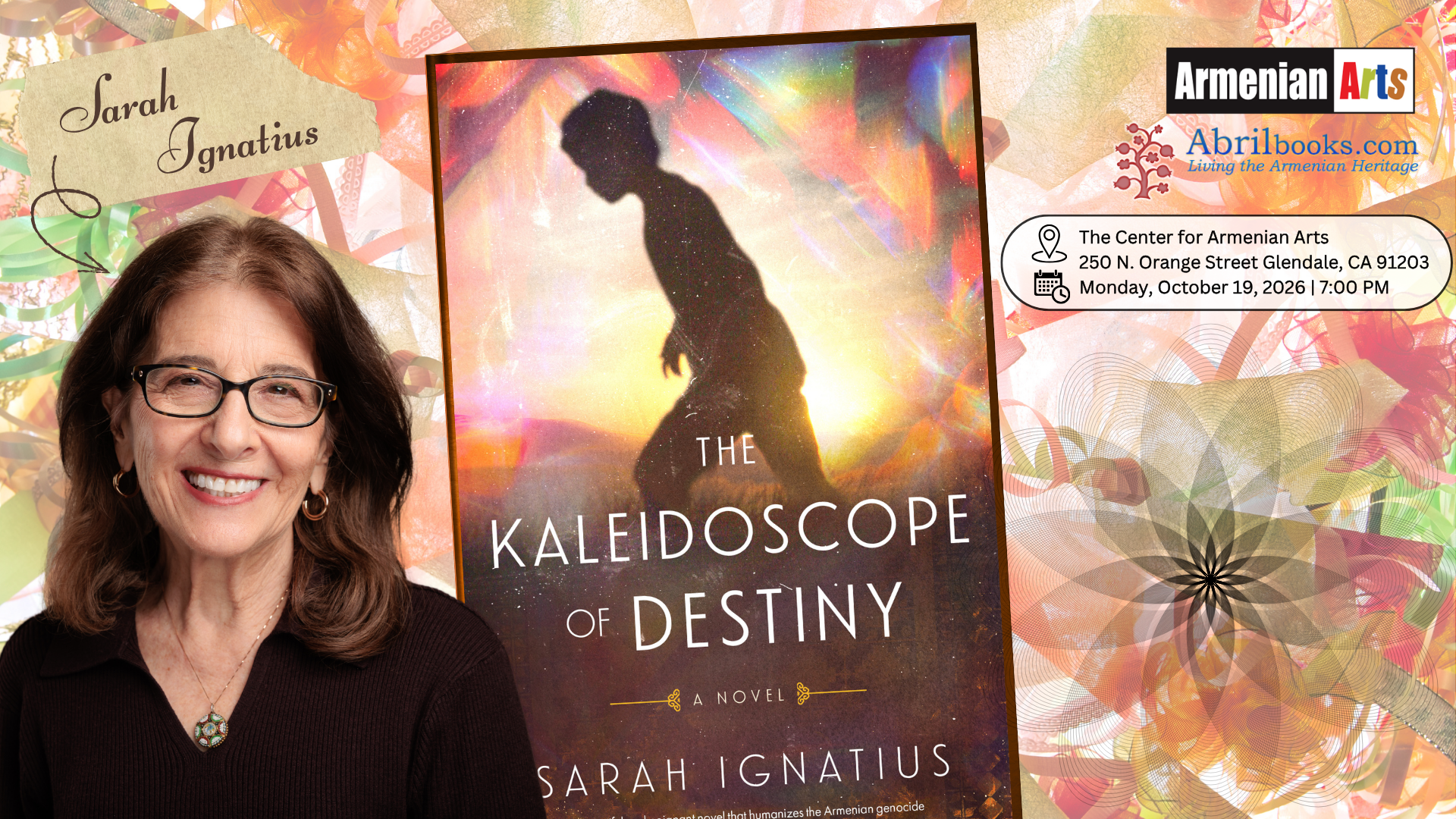
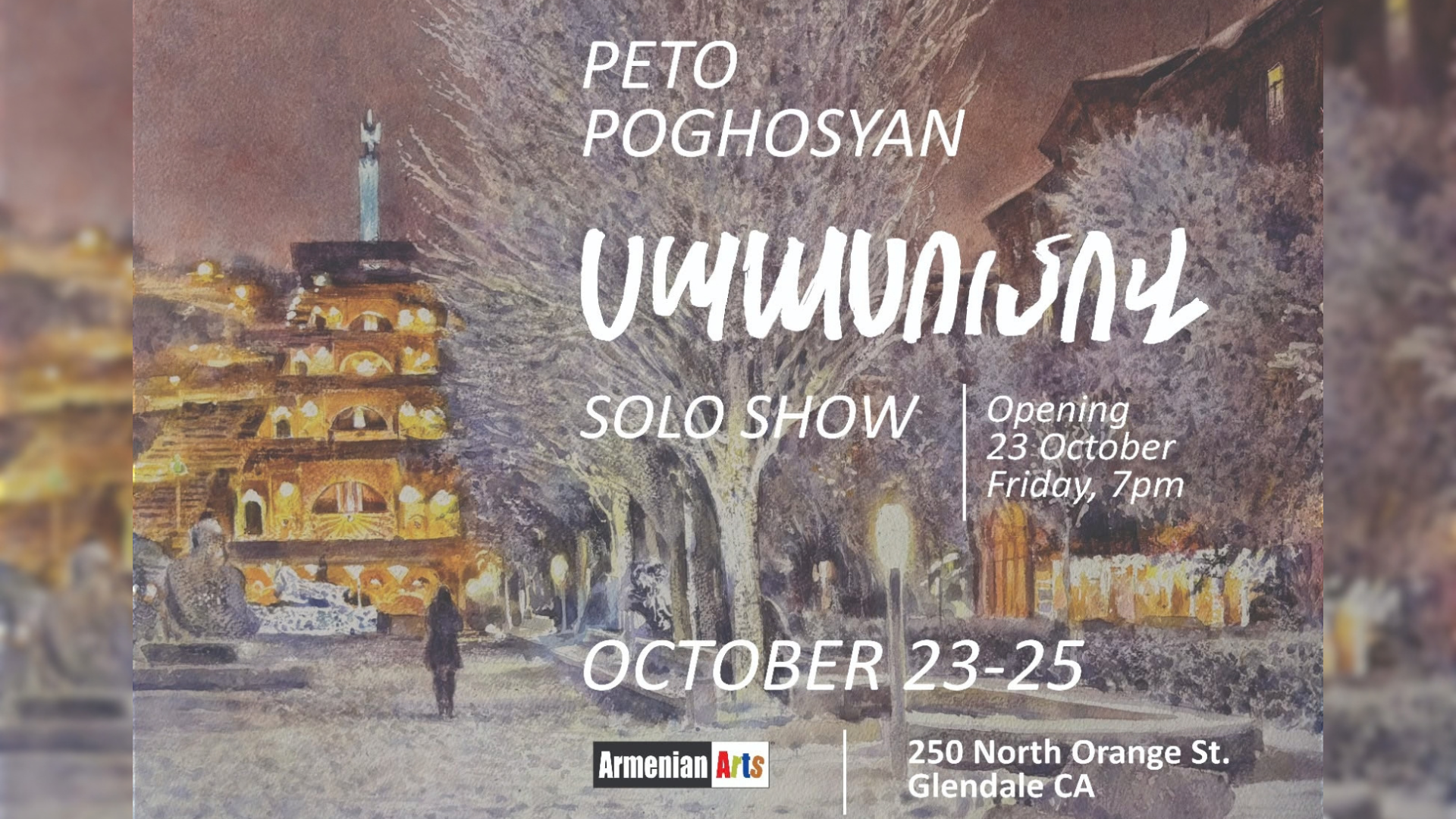
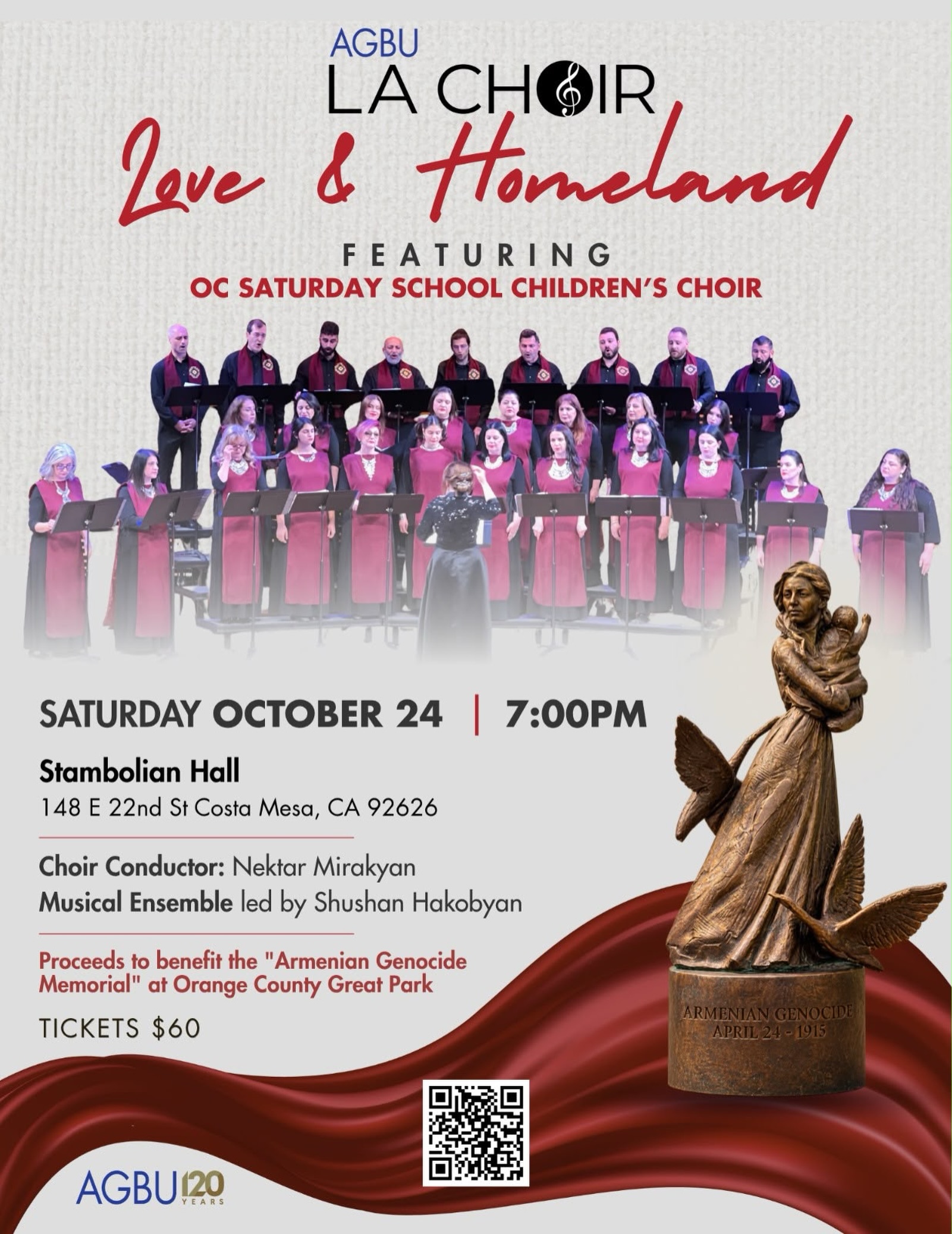
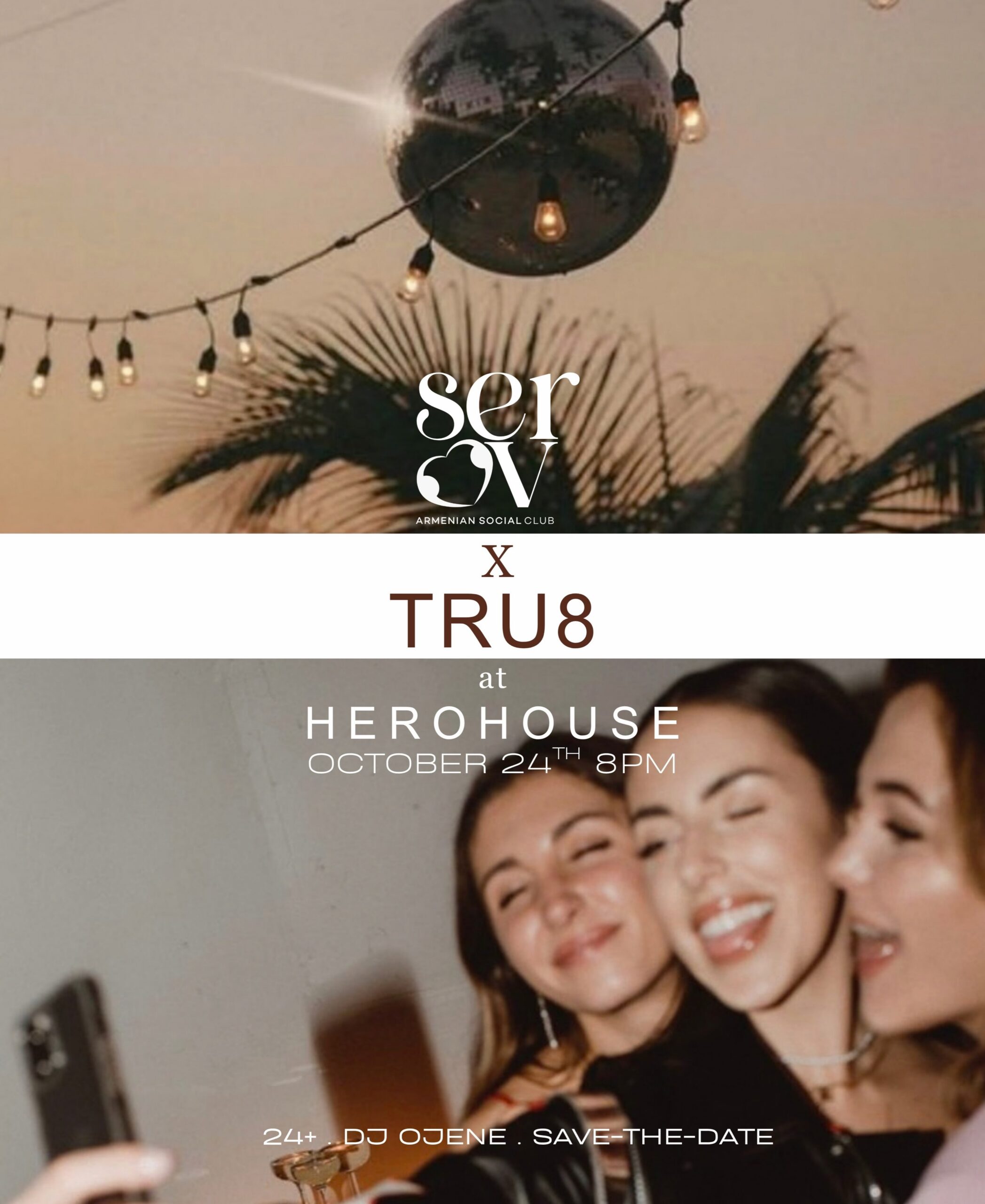
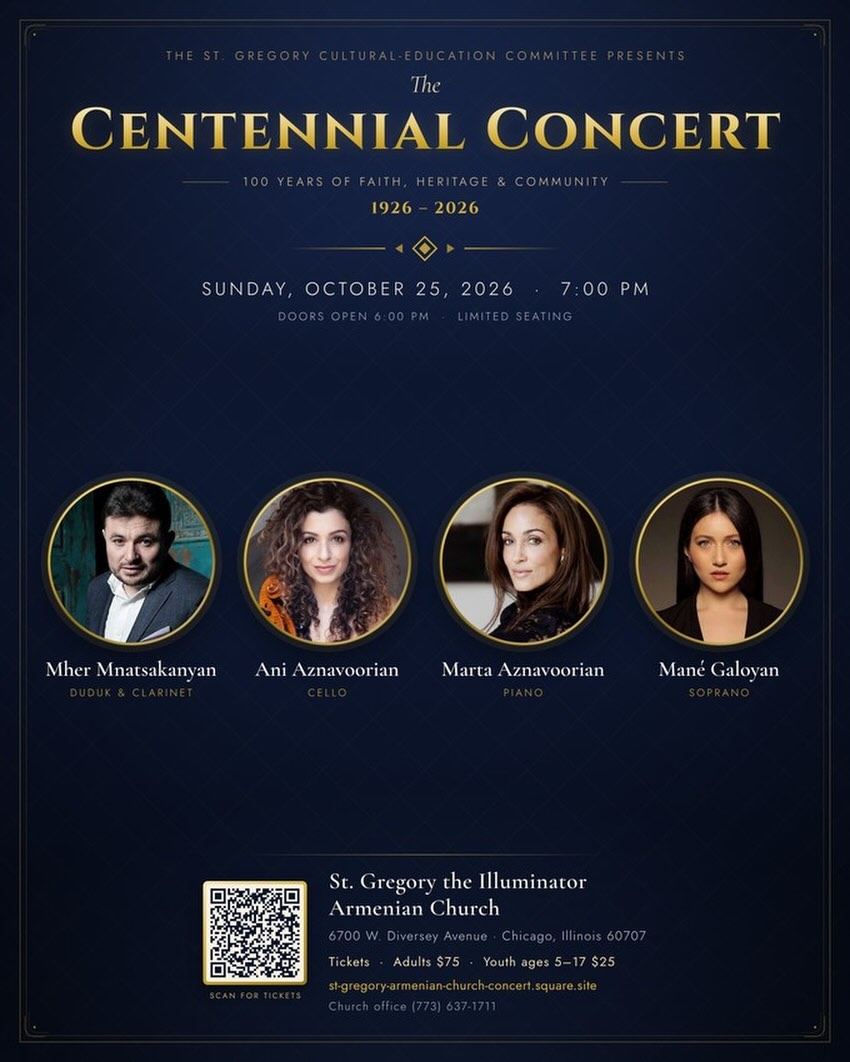
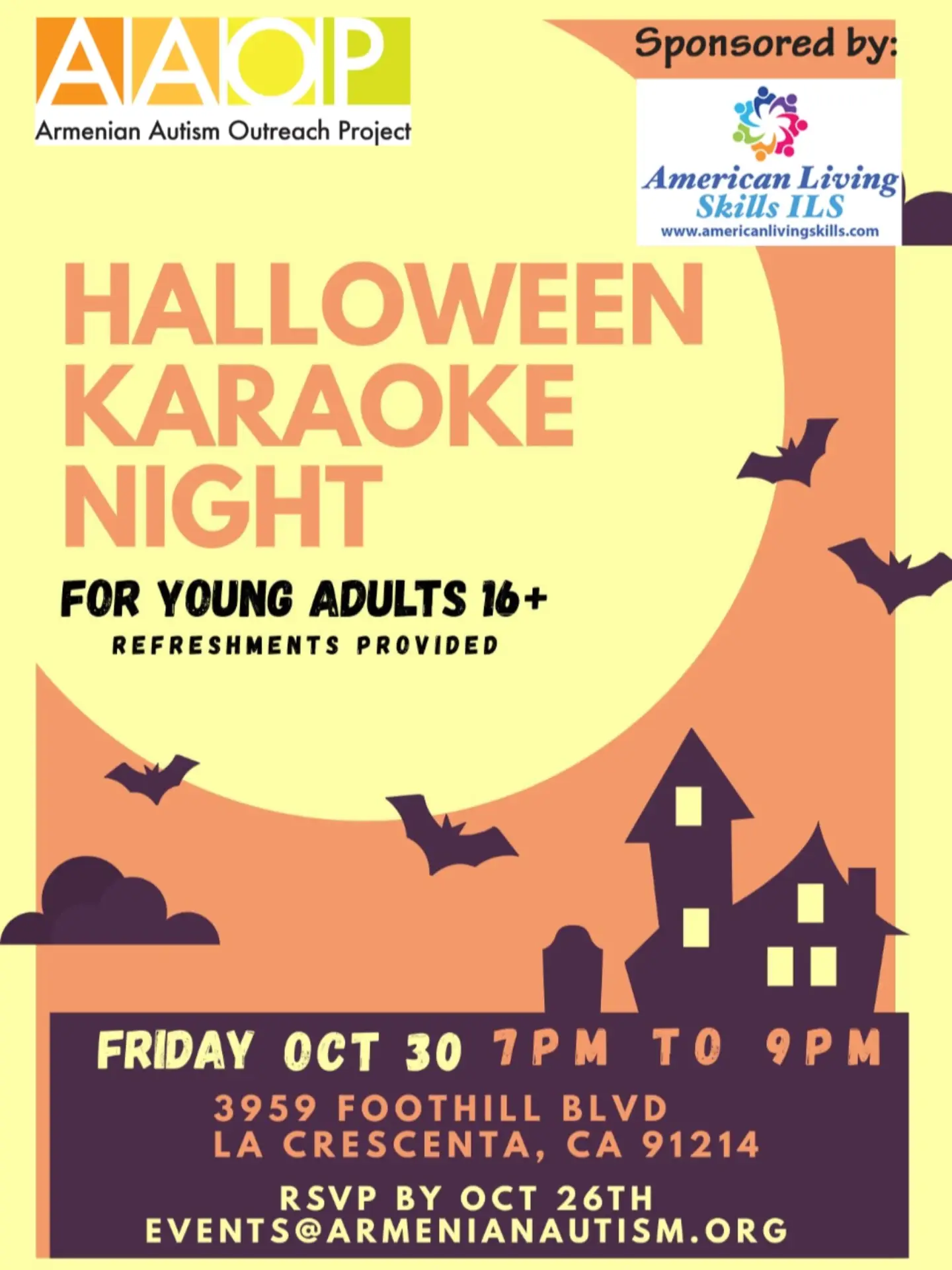
Some excellent organizers make terrible flyers. Some brilliant artists post irregularly. Community groups may announce programs in newsletters, physical spaces or small accounts that never reach recommendation velocity.
This can be frustrating, but it also means discovery still has value. You can find something before it has been flattened into a trend, priced like a trend and filled with people filming proof that they found the trend.
Smaller event calendars, venue schedules, cultural organizations, libraries, museums and neighborhood groups provide a wider view because they organize information around place and purpose, not only engagement.
Replace scrolling with a discovery habit
You do not need to delete every app and begin receiving social invitations by carrier pigeon.
Use the platforms, but stop treating the feed as a complete map.
Once a week, check a local events calendar. Subscribe to two or three newsletters that consistently surface things you care about. Follow venues, not only performers. Look at the schedule of a museum, college, bookstore, cultural center or neighborhood organization. When you enjoy an event, ask who produced it and where they announce the next one.
Most importantly, give unfamiliar events a chance. If every plan must arrive with thousands of likes and a professionally edited recap, you will keep sharing your weekends with the same algorithmically assembled crowd.
Taste requires some independence
The algorithm is not evil. It is doing the job it was designed to do. The mistake is confusing its incentives with your own.
The platform wants another session. You want a Saturday night that does not feel like a rerun.
Those goals occasionally overlap. They should not be allowed to become identical.
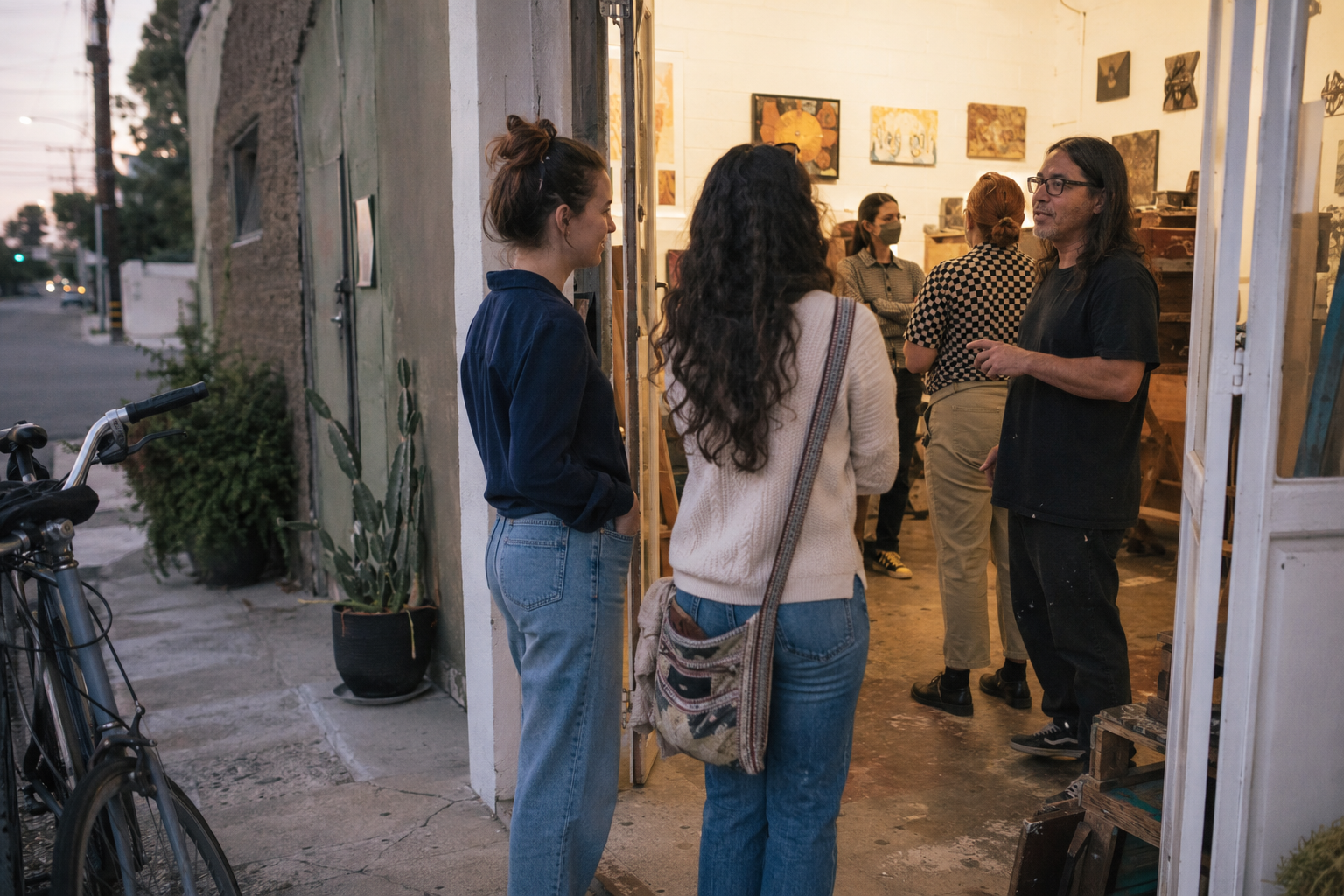
Use the feed for leads, then make your own judgment. Click beyond the first result. Attend something with an imperfect flyer. Walk into the open studio. Buy a ticket for the artist whose name is not already a caption template.
An interesting social life needs a little friction, a little uncertainty and the occasional plan nobody else has heard of yet.
Break the recommendation loop and browse the Melkoni Media Events Calendar directly.