

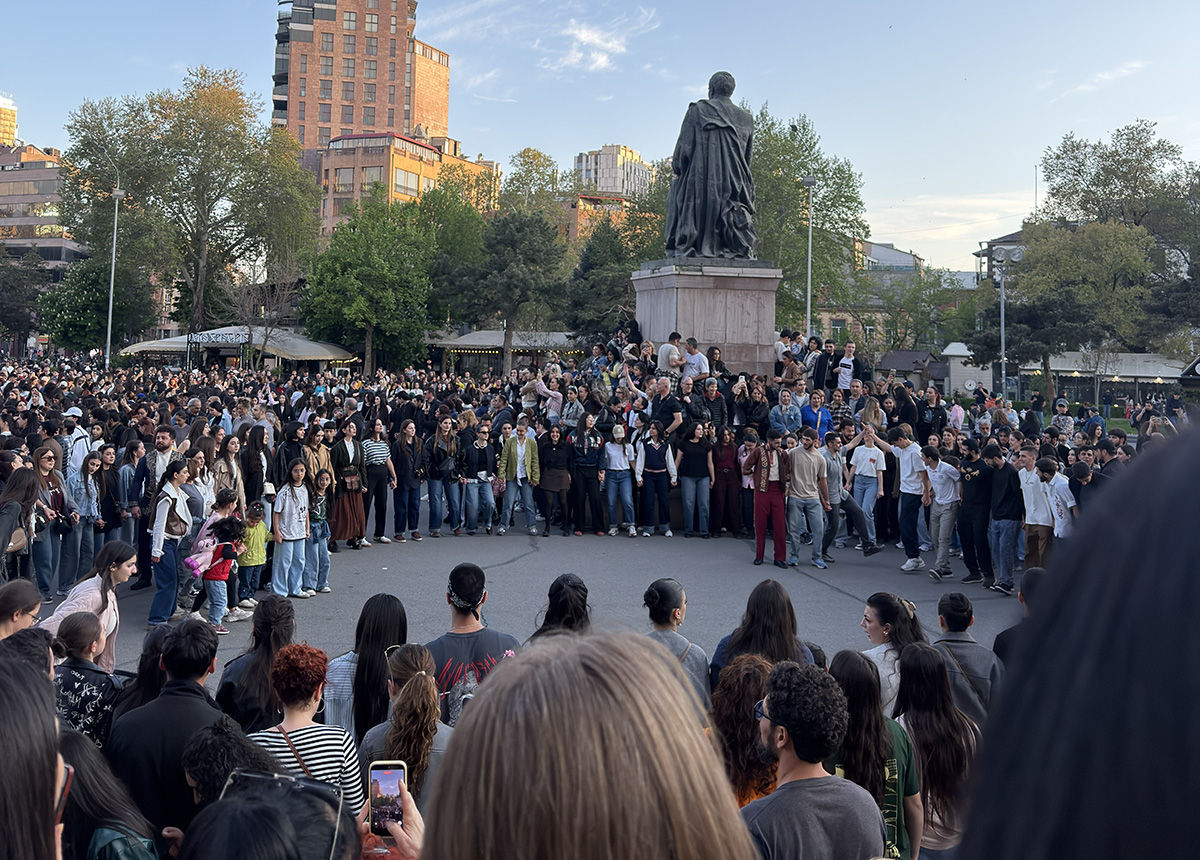
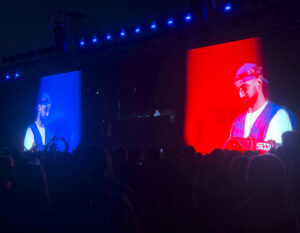
If you walked through Republic Square on May 16th, you could probably feel the bass vibrating in your bones. The city’s central square was turned into a massive, packed-out open-air club for the night, all thanks to a free concert by Nick van de Wall, better known to anyone who listened to radio pop in the 2010s as Afrojack.4
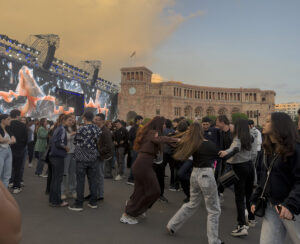
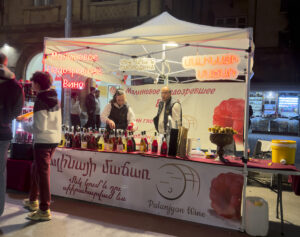
Put together by Domino Production under the youth-focused tagline “ZIL DZZEN,” the event drew tens of thousands of young people. On paper, it was a massive success. You had one of the world’s most enduring mainstream DJs playing his biggest hits right against the backdrop of our pink tuff buildings, with a sea of food trucks parked along the side streets keeping everyone fed with street food.
But as great as the energy was on the ground, the concert highlighted a frustrating trend in how our city planners schedule these massive events. Once again, a major cultural night felt like it was stepping on its own toes.
This massive party was officially dedicated to Youth Day. Giving the younger generation a reason to gather and enjoy a world-class show for free is a great initiative. The problem, however, was the calendar.

May 16 also happened to be International Museum Day.
For anyone in Yerevan who enjoys both a good nightlife scene and a bit of culture, the night was a total headache. Galleries and museums across the capital had opened their doors for special evening exhibitions, rare twilight tours, and unique installations. Because both events were happening simultaneously, the city’s youth demographic was completely split. You either had to spend your Saturday night quietly absorbing Armenian art history or jumping to electronic drops in the square. A lot of people on social media were asking the obvious question: with 365 days in a year, why do our biggest spring events always have to cannibalize each other?
It is easy to see why the organizers wanted a name as big as Afrojack to anchor Youth Day. The Dutch DJ has been a staple of the global electronic scene for over fifteen years. Raised by a single mother who ran a local gym in a small town in South Holland, he started out playing the piano at age five and obsessively producing beats on his home computer for hours a day as a kid.
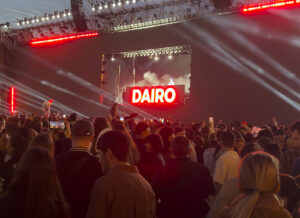
It took him seven years of grinding before he got his first release out, but once he broke through, he became unstoppable. Tracks like “Take Over Control” with Eva Simons put him on the international map, and before long, he was co-producing massive radio hits like Pitbull’s “Give Me Everything” and Beyoncé’s “Run the World (Girls).” He went from playing local pubs at 14 to headlining Coachella and Tomorrowland, and he has consistently stayed in the top tier of DJ Mag’s global rankings. Having an artist with that kind of resume perform for free in Yerevan is a big deal for the city’s entertainment profile.
Yet, as loud as the music was on May 16th, it couldn’t quite drown out the ongoing debate about how these mega-concerts are timed. Standing in the crowd, it was impossible not to hear people comparing that night to what happened just a few weeks ago in the exact same square.
Back on April 25, the square hosted the “Voice of Peace” festival. On paper, the lineup was an incredible catch for Yerevan. It featured French soul-pop singer Imany, the Danish hip-hop group Outlandish (famous for their track “Aicha”), Italian artist In-Grid, French producer Willy William, and our own Iveta Mukuchyan.
But despite the star power, that festival left a very bad taste in the public’s mouth because of a massive oversight in scheduling: it took place the exact day after Genocide Remembrance Day.
April 24 is arguably the most solemn, emotionally heavy day on the Armenian calendar. Millions of people spend it in quiet reflection, walking the somber path to Tsitsernakaberd to lay flowers. To go from that profound level of national grief straight into a loud, booming pop festival less than 24 hours later felt jarring, tone-deaf, and entirely inappropriate to a huge portion of the population. A lot of locals actively boycotted the April 25 show, feeling it was deeply disrespectful to hold such a massive celebration right on the heels of a day of mourning.
The sentiment among the crowd on May 16th was clear: whoever is in charge of booking these international acts needs to show a lot more emotional intelligence and cultural awareness. Yerevan loves hosting big stars, but context matters. There is a time to remember, a time to visit museums, and a time to party, and jamming them all together just creates unnecessary friction.
Of course, the older crowd in attendance couldn’t help but view the whole spectacle with a bit of classic Yerevan cynicism. A few people hanging out near the food trucks pointed out the funny coincidence of how these massive, free public celebrations always seem to magically appear on the calendar right before major election cycles. It’s an age-old political tactic, and while the younger crowd was mostly there just to enjoy the free music, the timing didn’t get past the city’s politically sharp-witted spectators.
In the end, Afrojack did exactly what he was hired to do. He put on a high-energy, flawless performance that reminded everyone why he’s a global electronic icon, and he gave the youth of Yerevan an unforgettable night.
But while the entertainment value was a win, the logistics left a lesson behind. If the city wants to keep bringing in world-class talent, the people behind the calendar need to start mixing their dates with the same precision and smooth transitions that the DJs use on stage.
By Milena Baghdasaryan