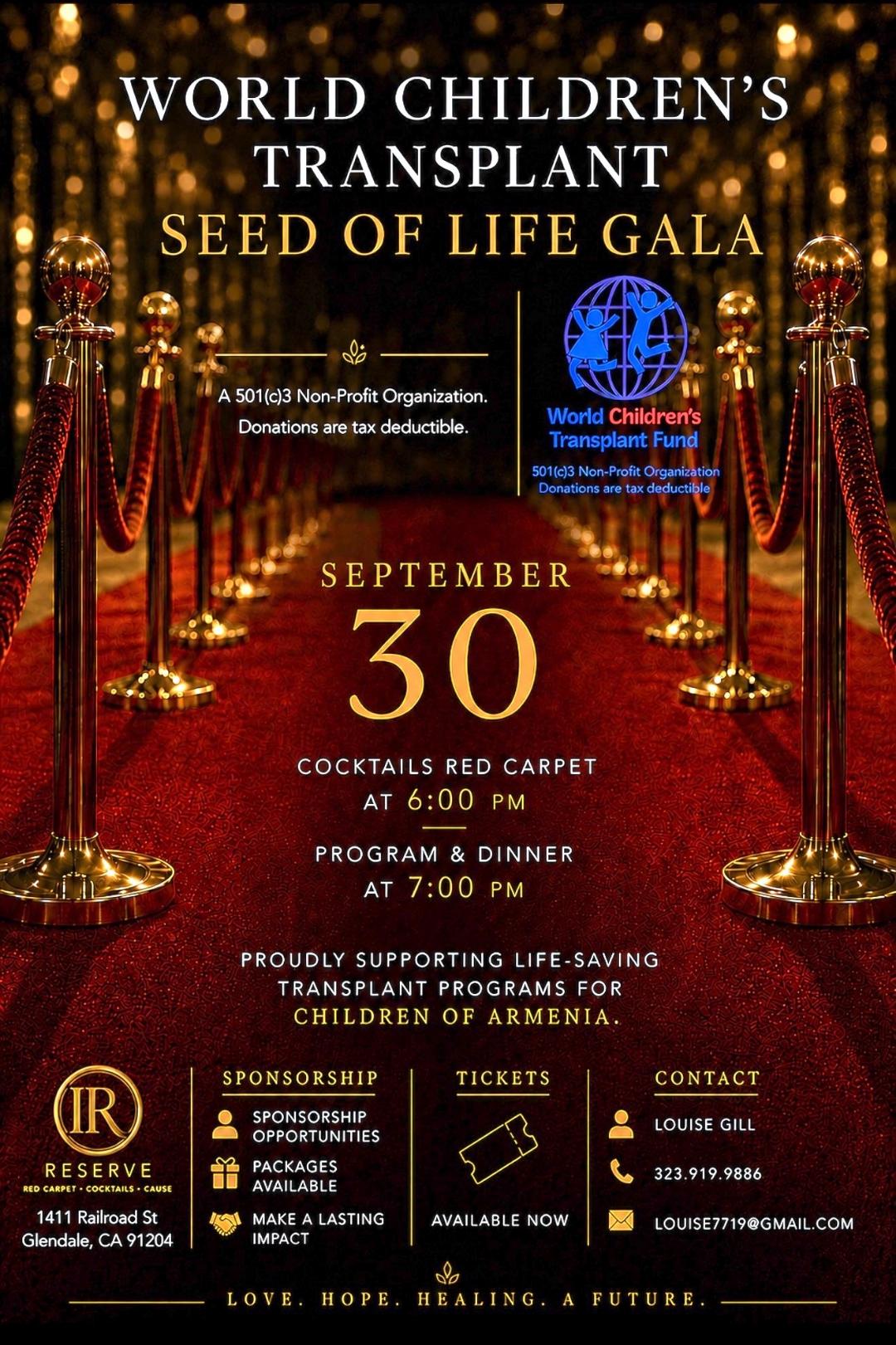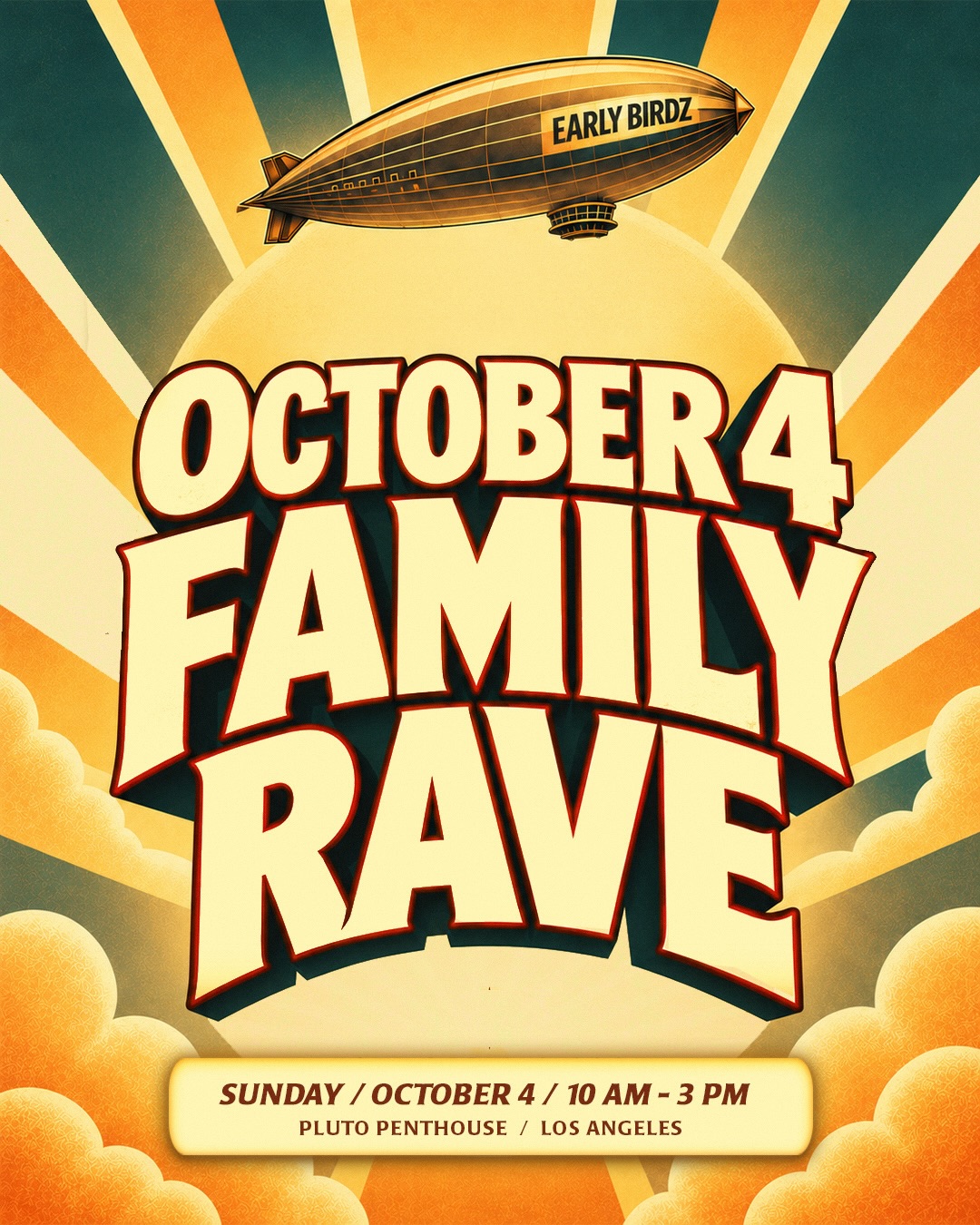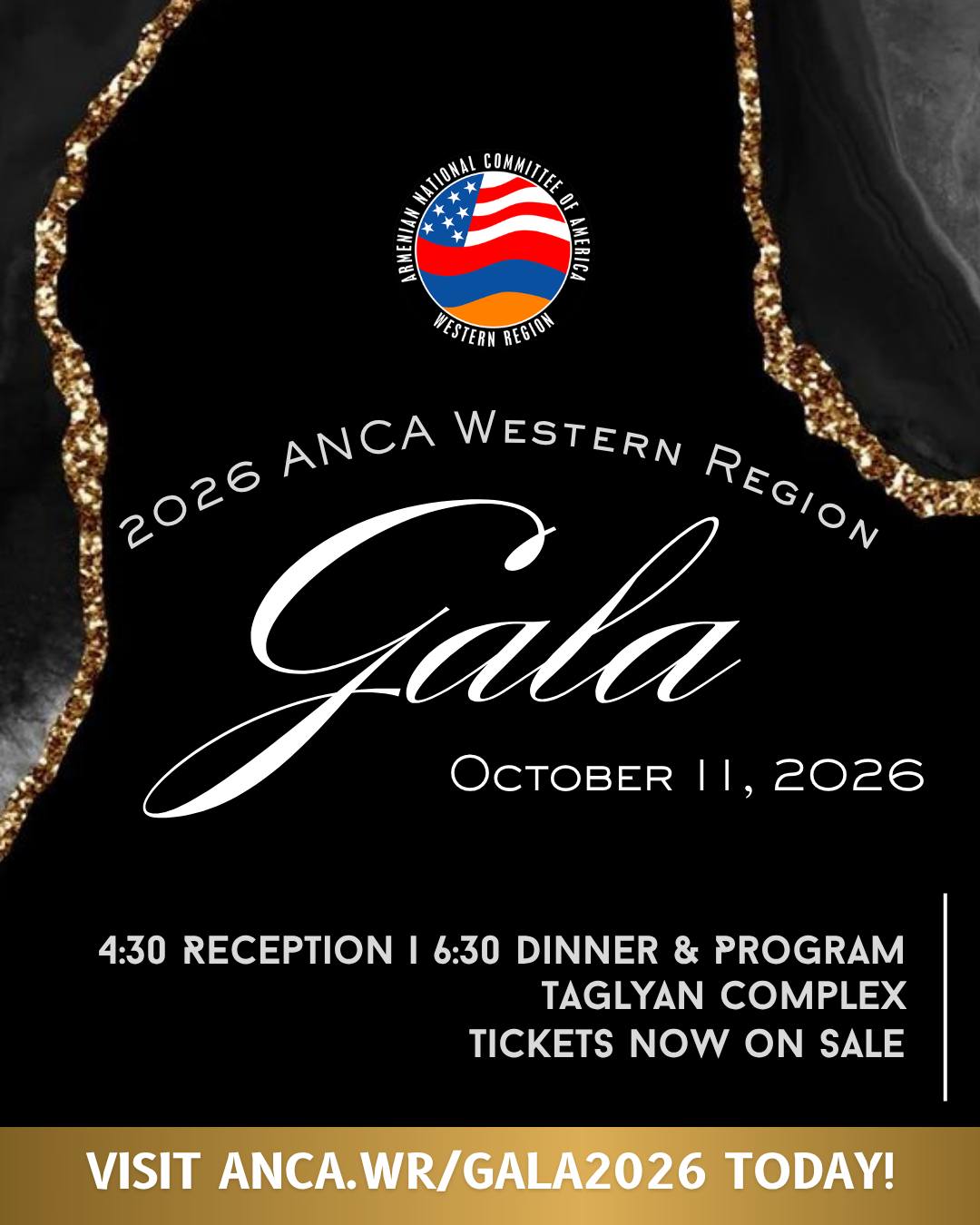
Los Angeles is very good at giving us somewhere special to go once.
There is always an opening, festival, pop-up, premiere, dinner or event that requires a reservation, a ticket and a negotiation with traffic. Those experiences can be wonderful. They are not the same thing as having a place where you belong.
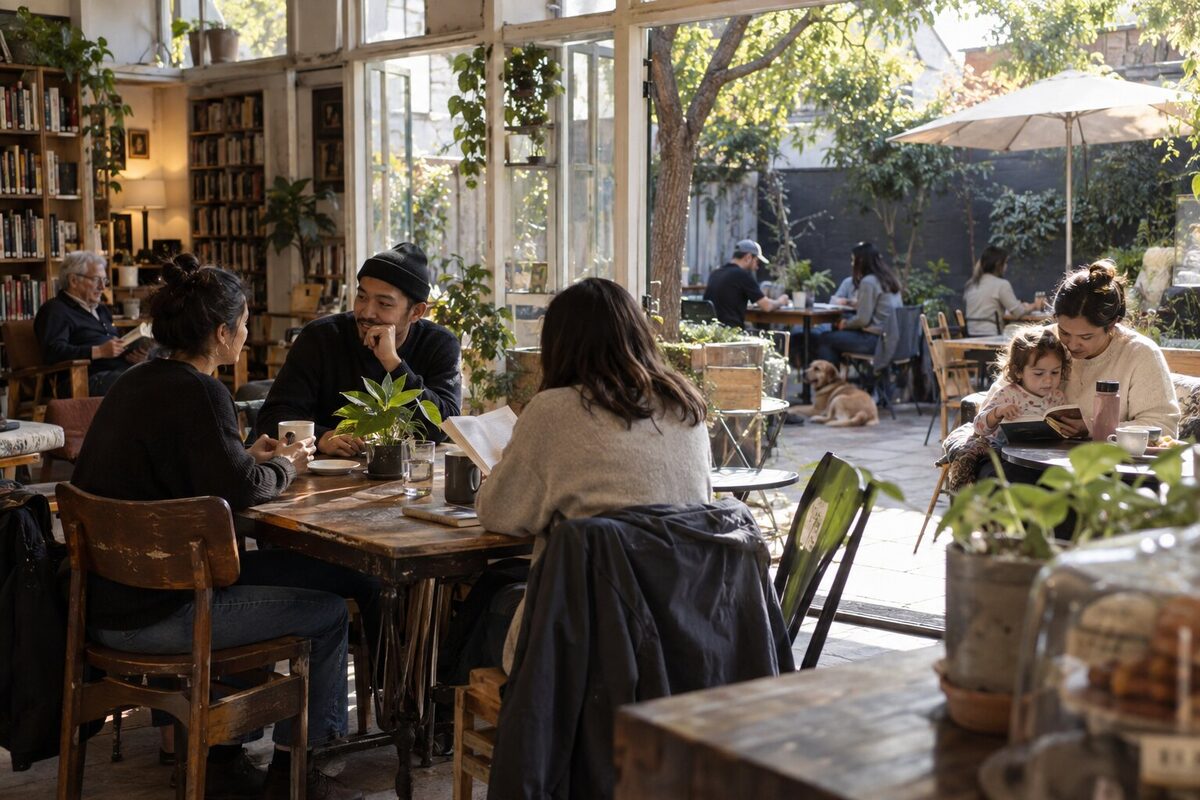
Community is often built somewhere less impressive: the café where staff know your order, the library program you attend twice a month, the courtyard where neighbors linger or the cultural center where showing up does not require a major occasion.
We need more of those places.
A third place works through repetition
Urban researchers use “third place” to describe social spaces outside home and work. The definition has expanded, but the central value remains simple: people need accessible places where informal connection can happen repeatedly.
The repetition matters. Friendship rarely appears because two strangers attended the same enormous event. It grows because they saw each other at three smaller ones, then stayed ten minutes longer, then finally learned each other’s names.
A third place reduces the pressure to make every outing socially successful. You can simply return.
Accessibility is more than location
A place can be nearby and still feel unavailable.
Price, parking, hours, seating, noise and the expectation to keep purchasing all affect whether people can remain long enough to connect. So does the social atmosphere. A beautiful room that makes newcomers feel they are interrupting a private club is not doing much community work.
The strongest gathering places make it easy to enter, understand what is happening and participate at different levels. You can talk, observe, bring a child, meet a friend or arrive alone without becoming a project.
Events can create third-place habits
Not every venue can operate like a neighborhood café, but recurring programs can create the same sense of return.
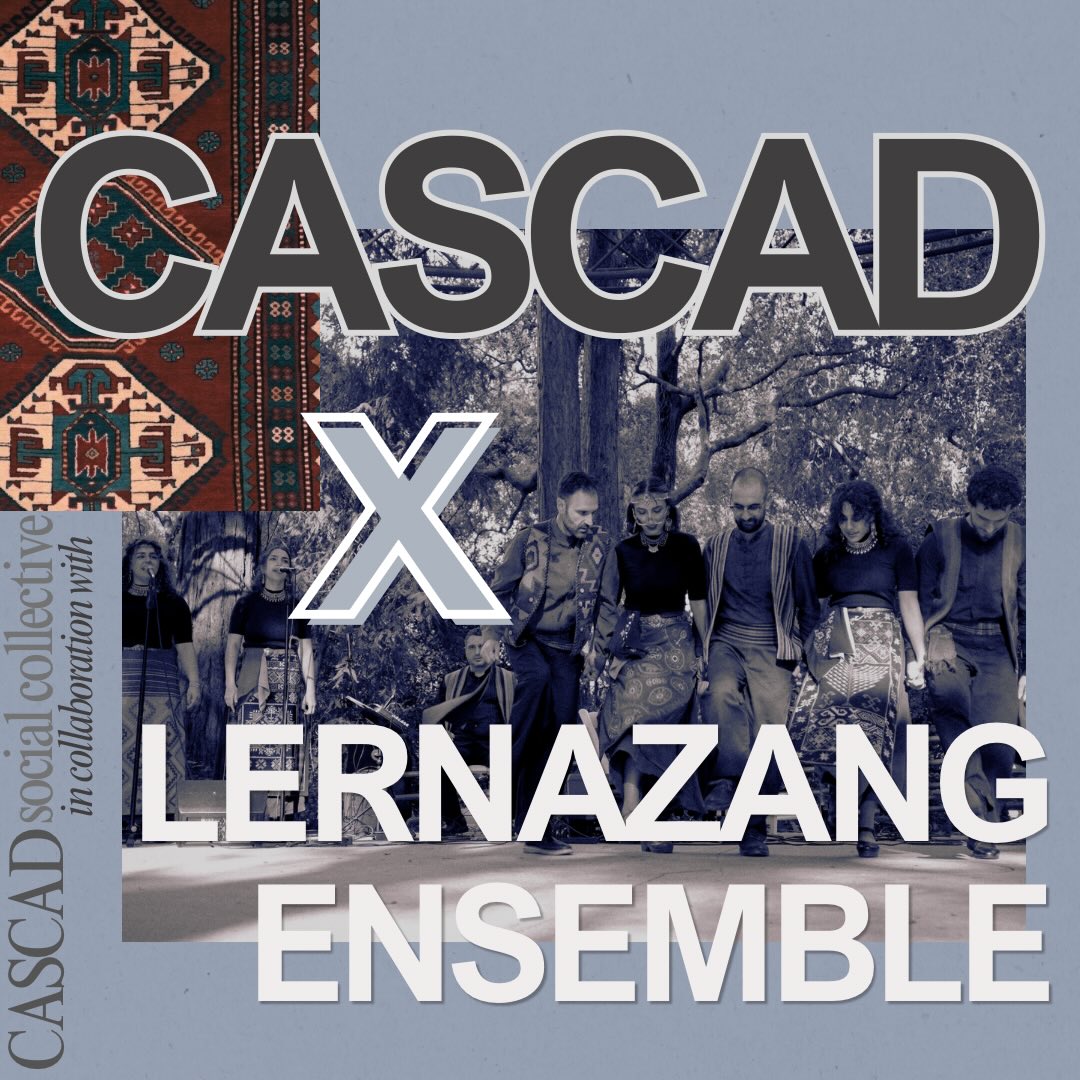
A monthly film night, weekly class, open studio, dance workshop or regular community conversation gives people a rhythm. The program does not need to become larger every time. Familiarity is part of the value.
This is where small organizations can outperform flashy productions. They may not generate the biggest opening-night photo, but they give people a reason to keep coming back.
Los Angeles makes connection logistically expensive
Distance and traffic turn casual plans into commitments. When friends live across the city, an ordinary coffee can require more scheduling than a minor surgery.
That is one reason neighborhood-based spaces matter. We need places woven into daily life, not only destinations that demand an entire evening’s energy.
As we explored in why making friends in Los Angeles can feel so difficult, activity is not the same as connection. A full calendar can still leave people without a dependable social rhythm.
Choose places you can support and repeat
Try a less dramatic social goal: find one place you can return to twice a month.
Learn the staff’s names. Attend the recurring program. Invite one person, but go even if they cancel. Spend enough time there for strangers to become familiar.
Los Angeles does not have a shortage of spectacle. What it needs is more affordable, welcoming and durable places where nobody has to sell out the room for the room to matter.